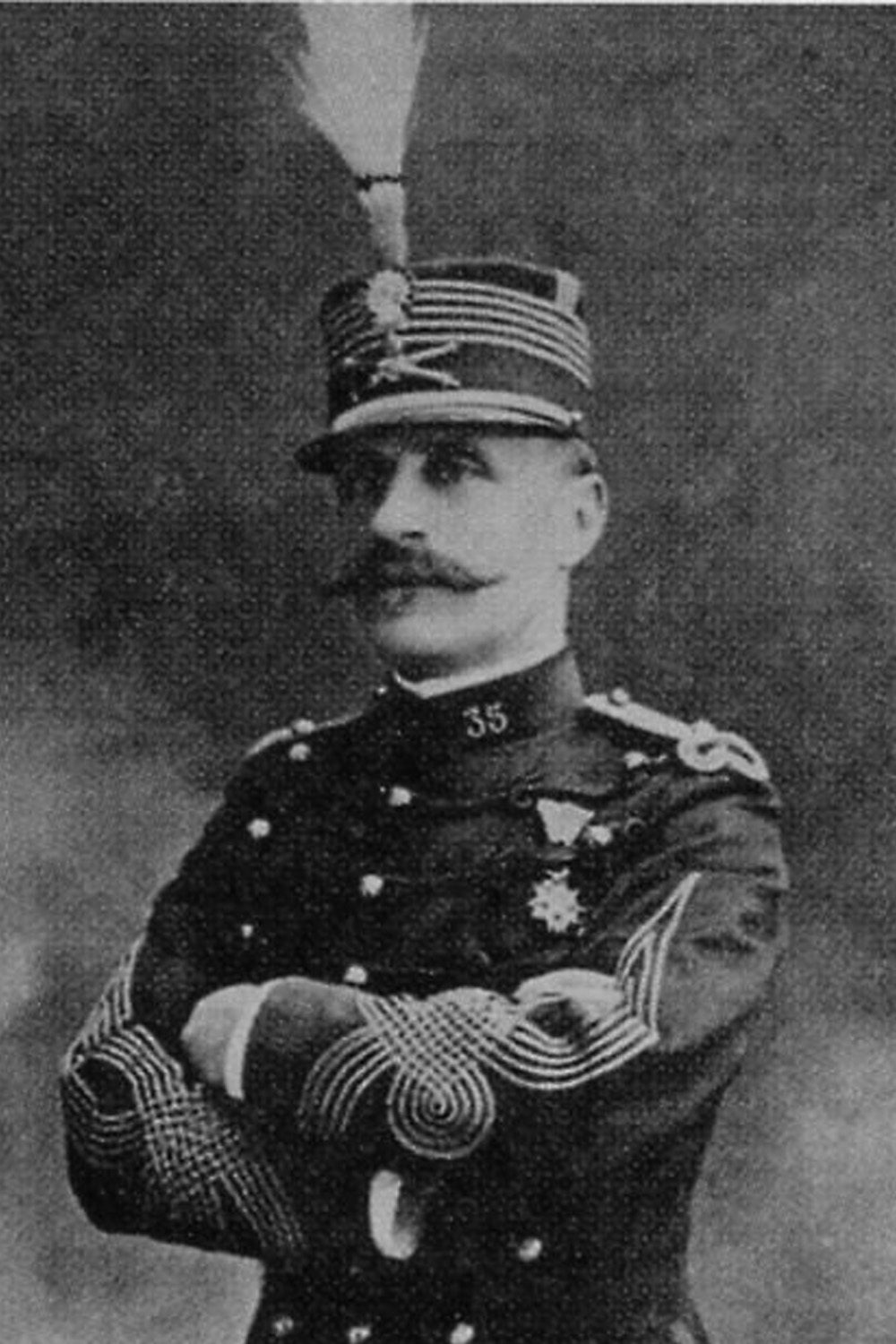

2024 – Jack Miller
Miller is a philanthropist who has made it his life’s work to invest in civic education that strengthens America’s youth. A highly successful business leader, he founded the Jack Miller Center for Teaching America’s Founding Principles and History. Not only has he built a pipeline for teaching on college campuses, but more than 1,000 scholars have joined the Miller network over the years and convene workshops on civics and history for K-12 teachers in 11 states. His generosity is far-reaching, as he supports a wide variety of freedom, Jewish and community cause efforts.
2023 - First Liberty Institute
At the 104th National Convention in Charlotte, N.C., First Liberty Institute was honored. The organization has proven that it can fight and win for religious freedom through multiple landmark Supreme Court cases – some with American Legion amicus briefs – and has set historic legal precedents that protect people of all faiths.
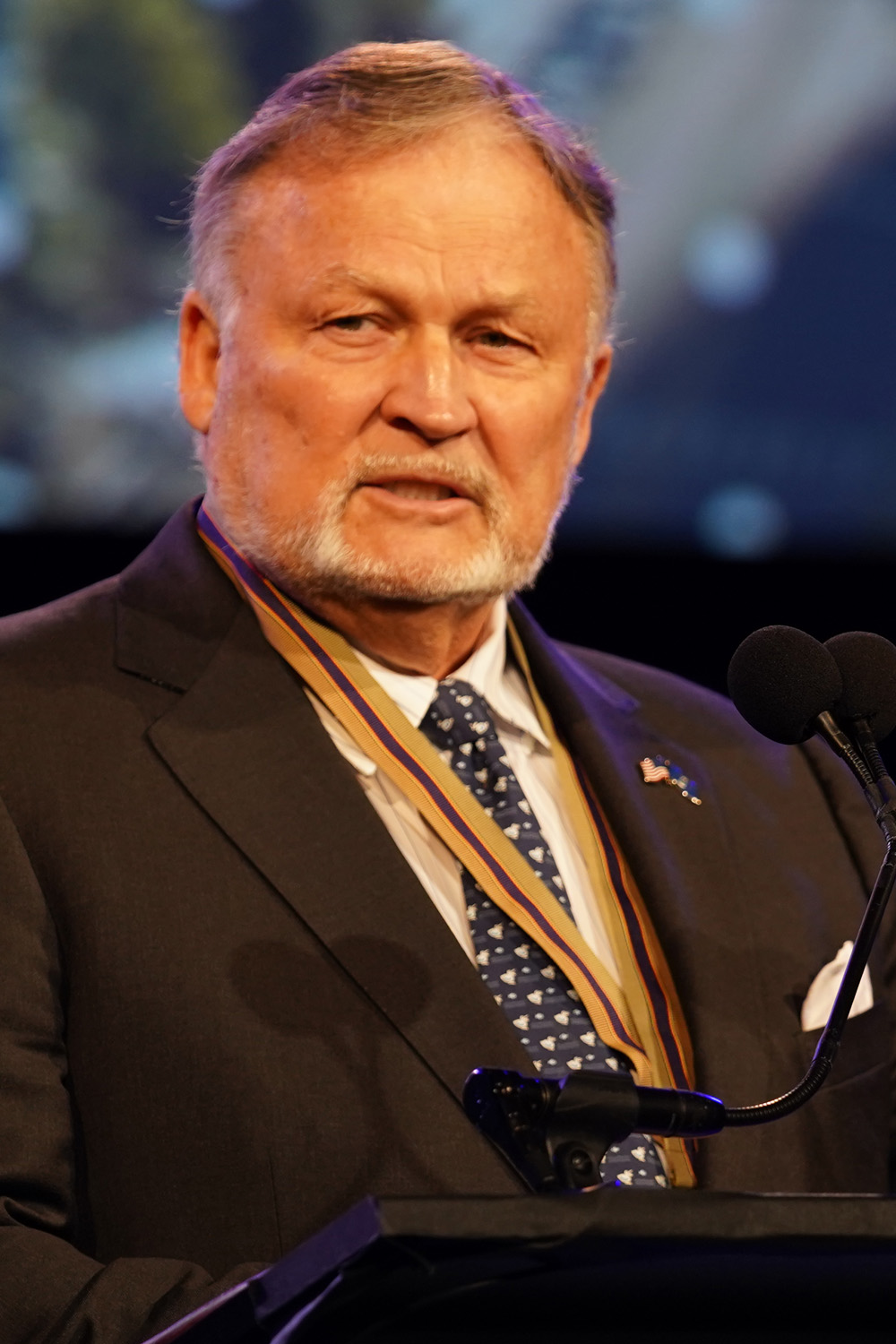
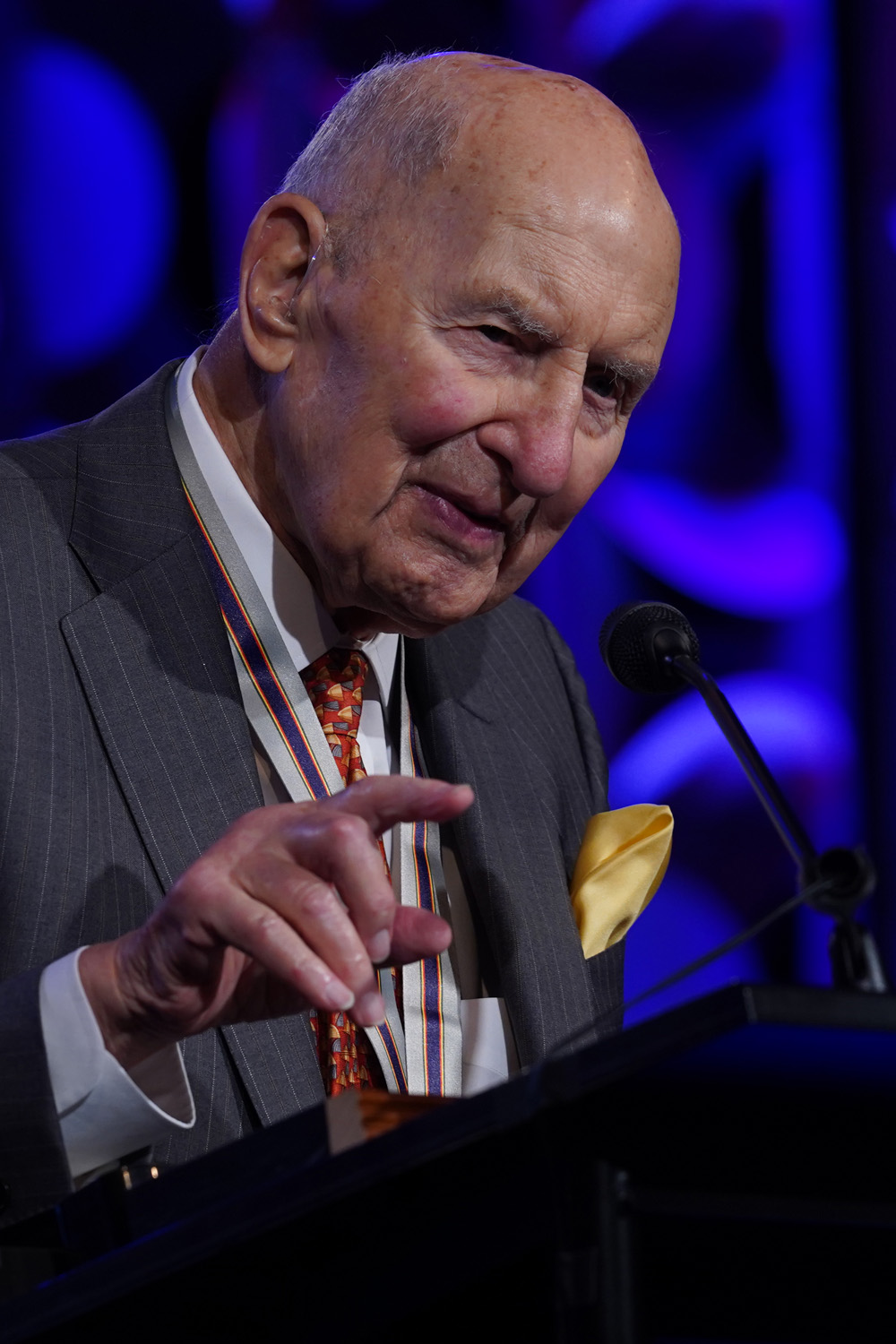
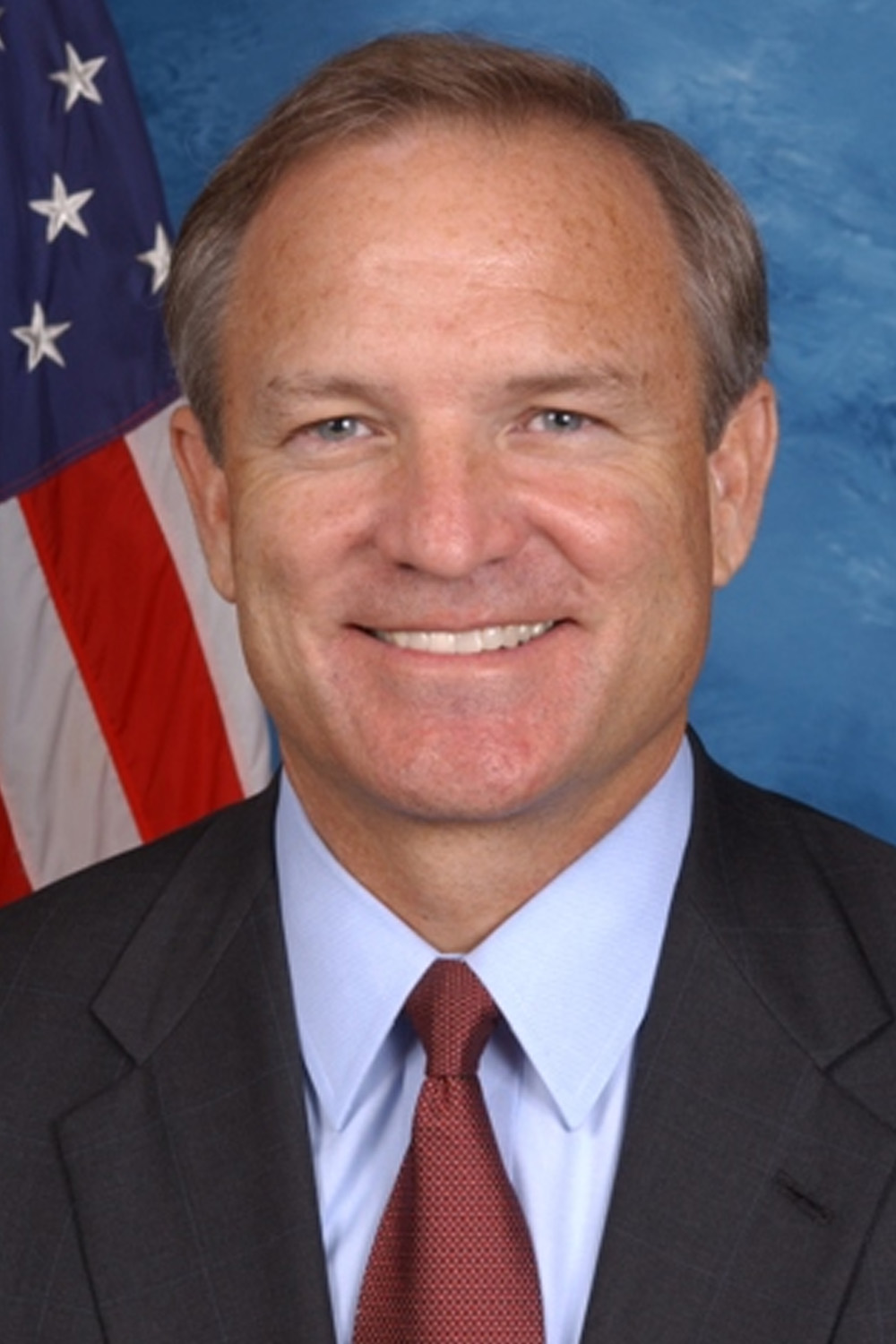
2022 - Hon. David P. Roe, M.D.
Roe, who received the Legion's highest honor at the 103rd National Convention in Milwaukee, joined the U.S. Army Medical Corps after graduating from medical school, and served in South Korea in the early 1970s. He then went into practice in Johnson City, Tenn., retiring after 31 years and 5,000 babies delivered. He was elected to Congress from Tennessee’s 1st District, where he was a champion for veterans by being instrumental in the passage of landmark legislation impacting millions, including the “Forever GI Bill” and the MISSION Act. He retired at the end of 2020.
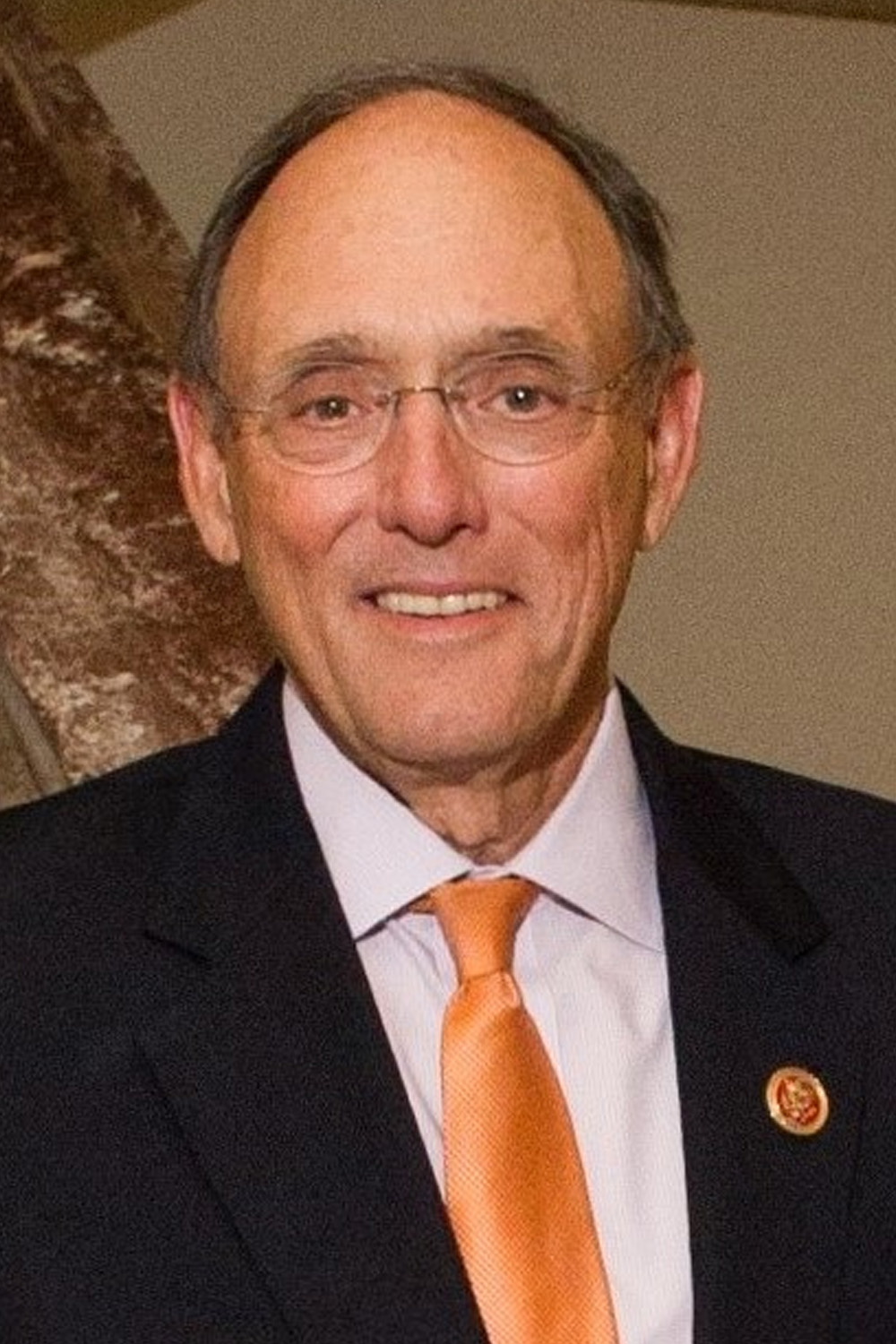
2021 - Diane Carlson Evans
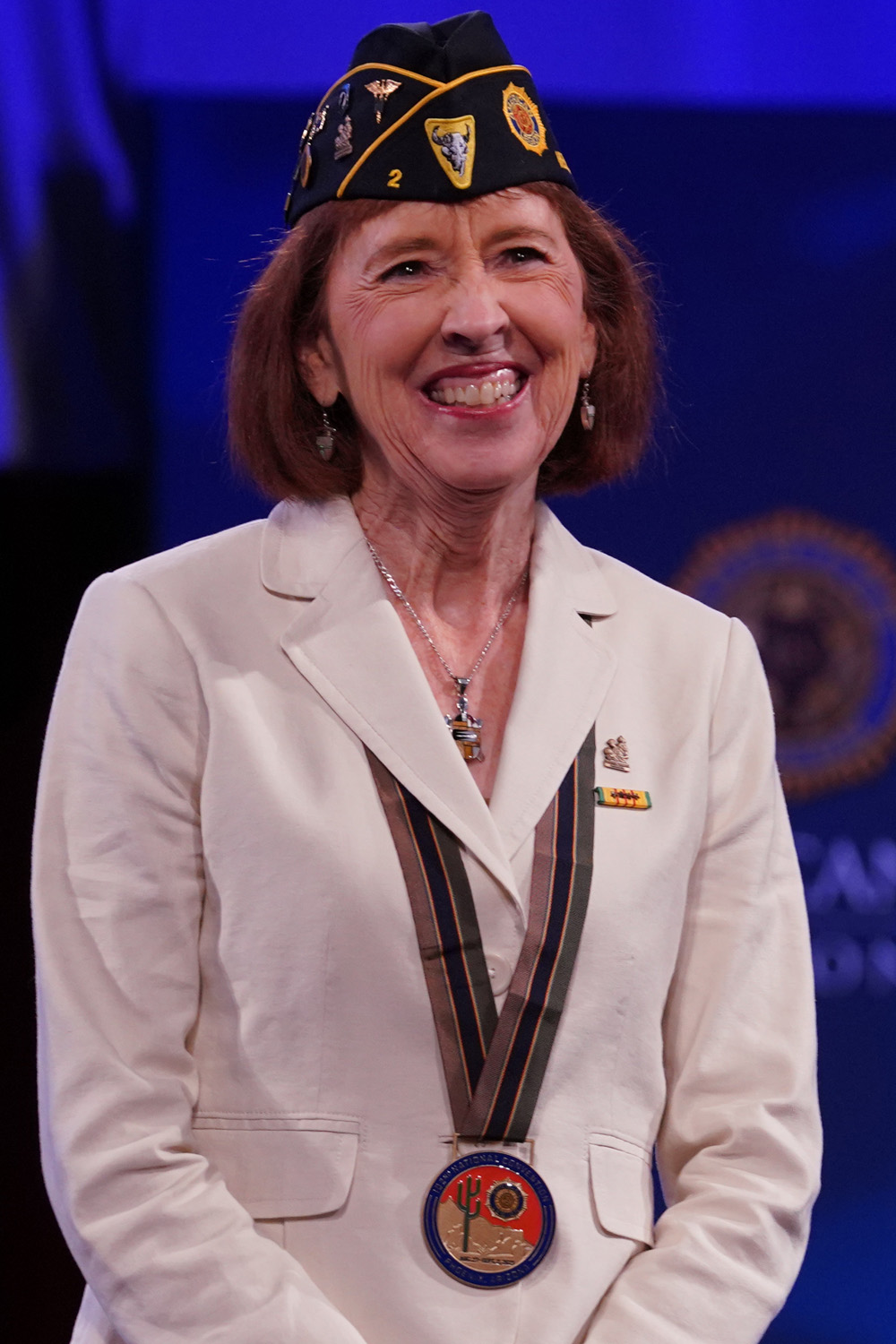
Vietnam War combat nurse, Vietnam Women’s Memorial Foundation founder and Legionnaire Diane Carlson Evans received the Distinguished Service Medal at the 102nd American Legion National Convention in Phoenix in August, for her decades of veteran advocacy. Carlson Evans was also a member of the Legion's national 100th Anniversary Observance Committee.
2020 - No Award Given
With the 2020 national convention canceled due to the COVID-19 pandemic, no award was given this year.
2019 - Sen. John McCain
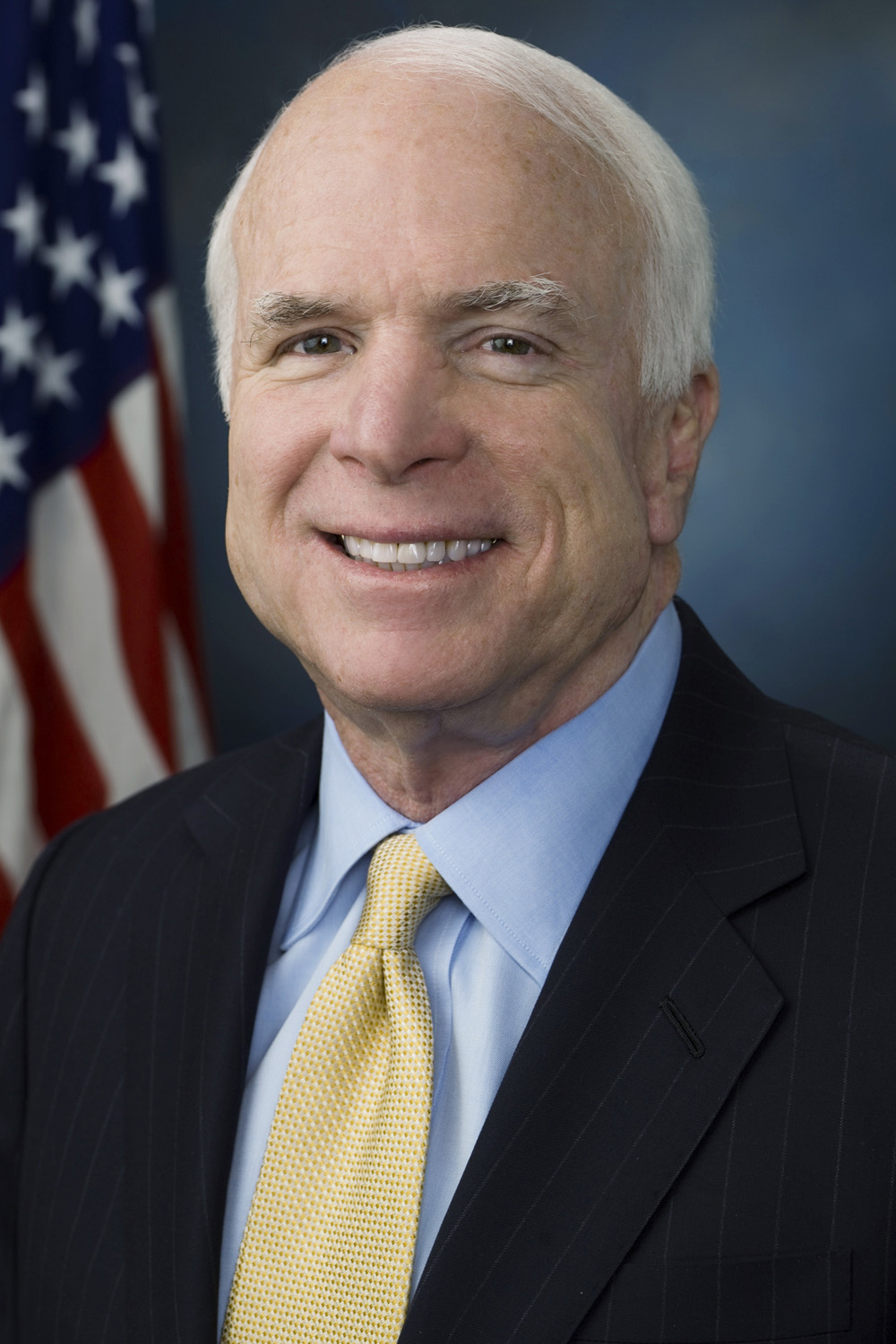
The Arizona senator, who spent five-and-a-half years as a prisoner in the Vietnam War before launching a long and distinguished political career that included two presidential candidacies and one Republican nomination, was posthumously awarded the Distinguished Service Medal at the 101st American Legion National Convention in Indianapolis. He was a 38-year member of American Legion Post 2 in Tempe. Accepting the award for the McCain family was Ohio Gov. Mike DeWine, a personal friend of McCain's.
2018 - Elizabeth Dole
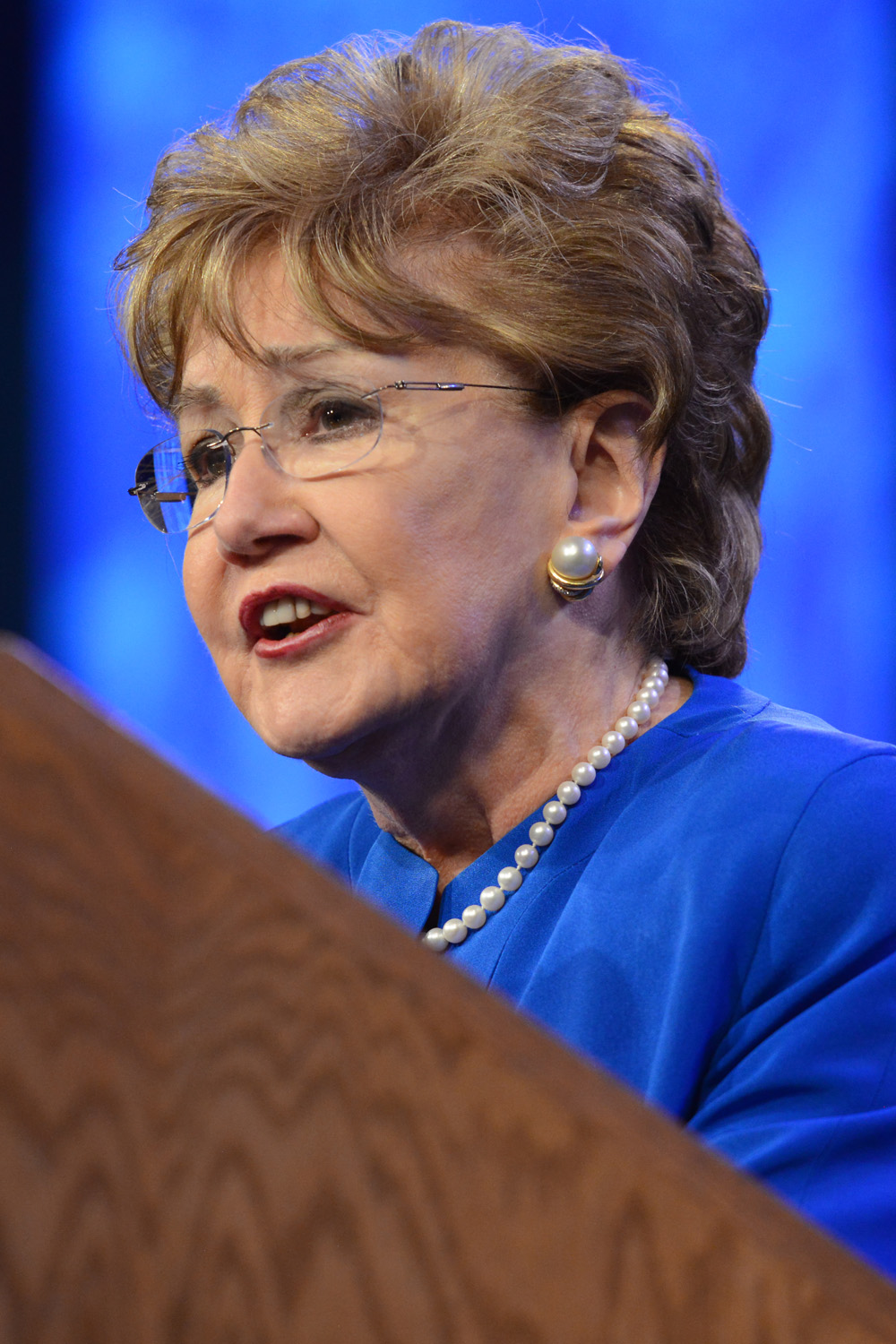
Elizabeth Dole launched her public service career in 1960 working on the Kennedy-Johnson presidential campaign, and served in several administrations – up to and including the cabinet secretaryships of Transportation and Labor (under different presidents).
Dole also served as president of the American Red Cross during the 1990s, and U.S. senator from her native North Carolina in the 2000s. In between, she assisted in her husband Bob’s presidential campaign.
2017 - Dr. Apostolos P. Georgopoulos
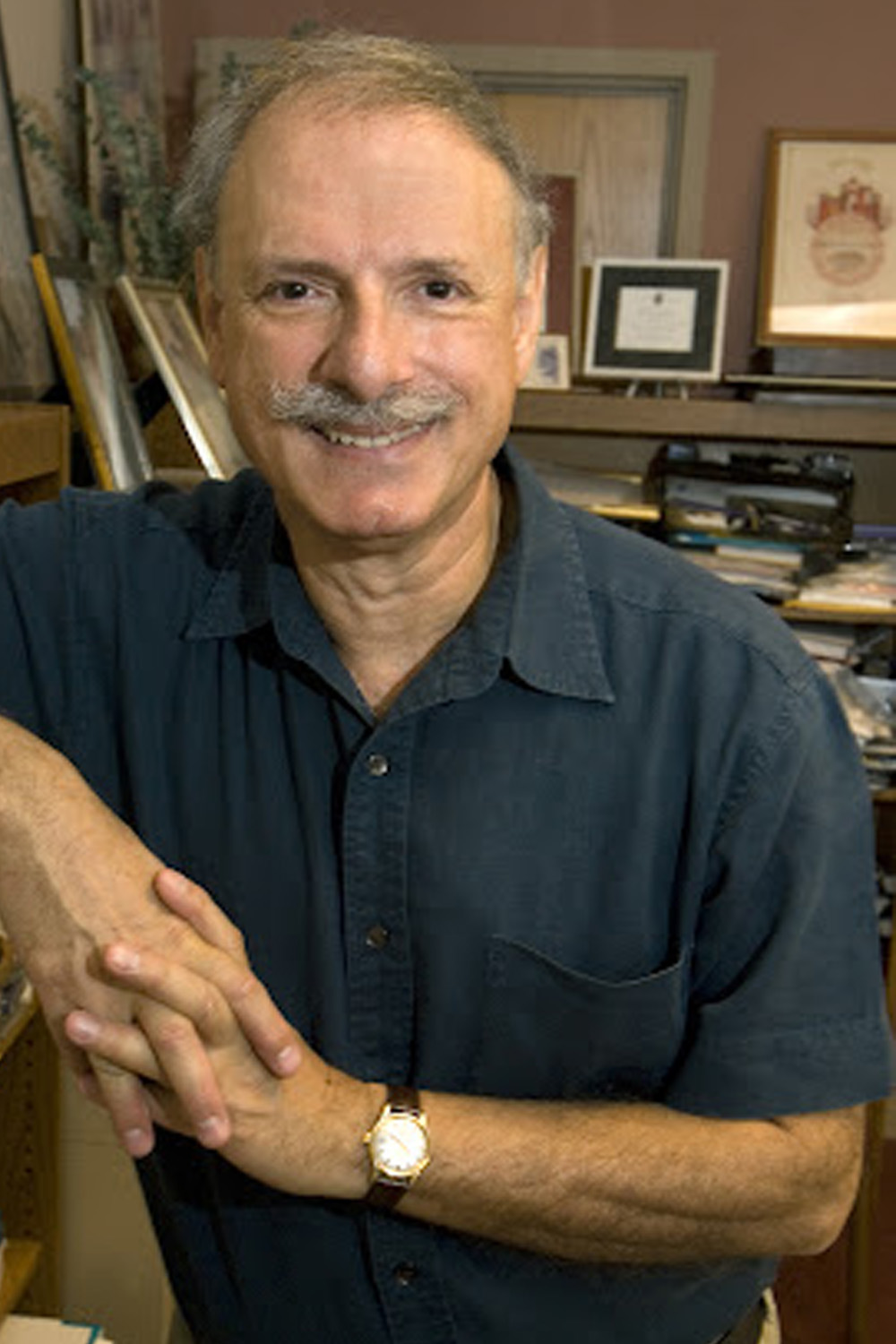
Georgopoulos – director of the Brain Sciences Center in the Minneapolis Department of Veterans Affairs Health Care System, and The American Legion Family-University of Minnesota Brain Sciences Chair – has conducted decades of research into Gulf War Illness and traumatic brain injuries among veterans. The American Legion Department of Minnesota raised $1 million in the late 1980s to fund the Brain Sciences Chair at the University of Minnesota. Georgopoulos came to the university in 1991.
The award was given during the Legion's national convention in Reno, Nev.
2016 - U.S. Army 3rd U.S. Infantry Regiment
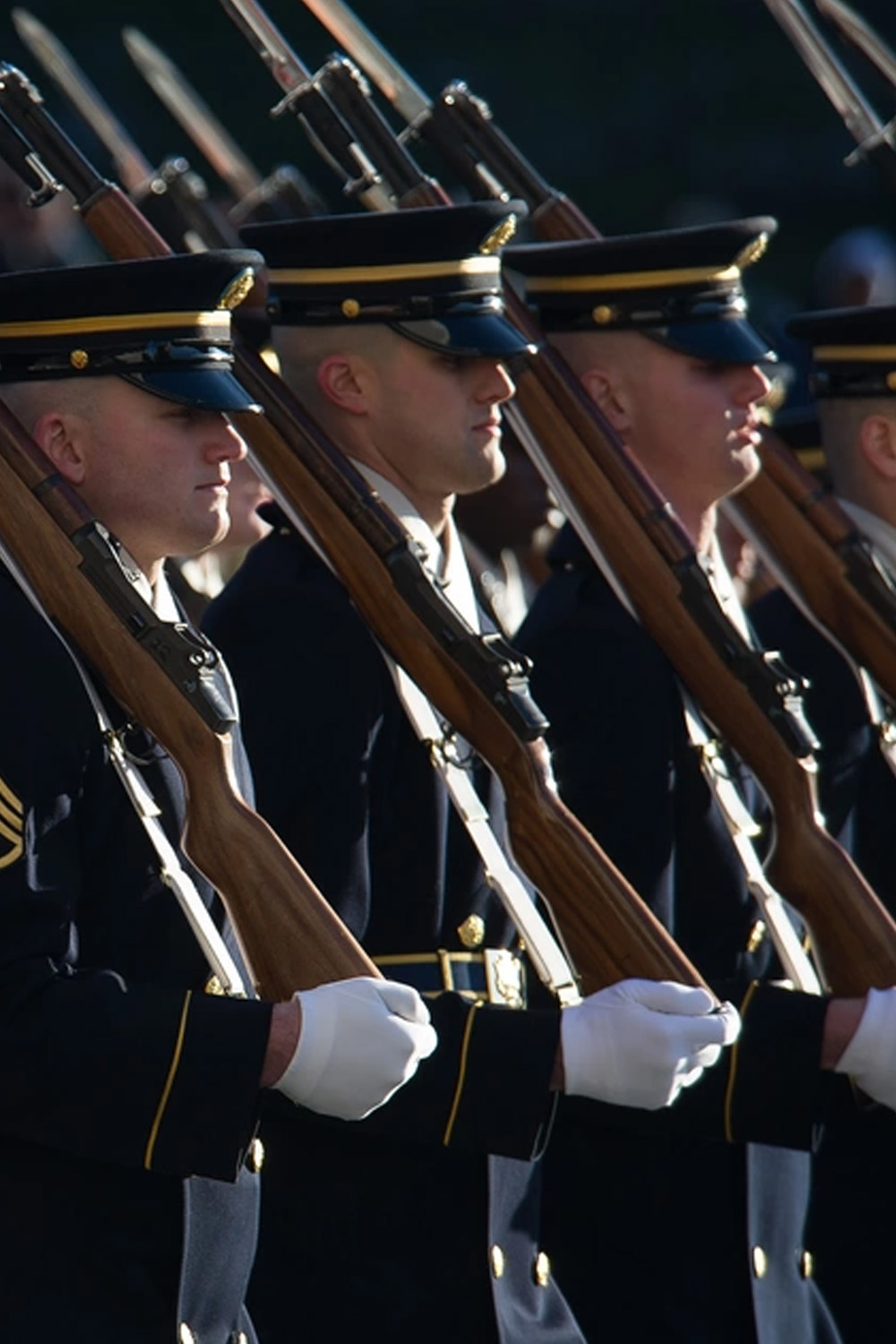
The U.S. Army’s 3rd U.S. Infantry Regiment, more popularly known as The Old Guard, received the Distinguished Service Medal during the 98th National Convention in Cincinnati.
2015 - Chuck Hagel
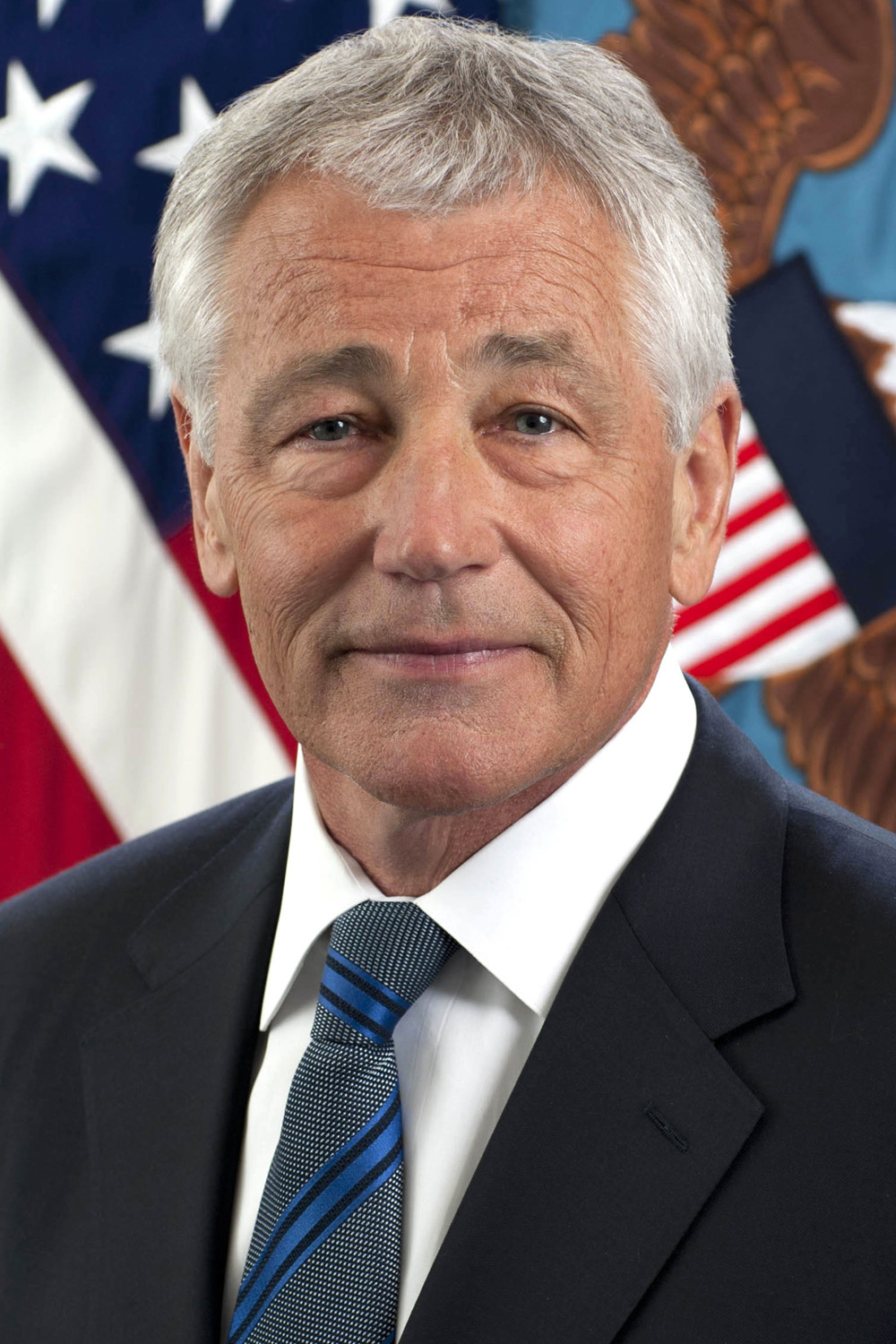
The former Secretary of Defense – the only Vietnam War veteran, and the first enlisted combat veteran, to serve in that office – was awarded The American Legion’s highest honor at the 97th National Convention in Baltimore by National Commander Mike Helm.
2014 - Dr. Donald H. Jenkins
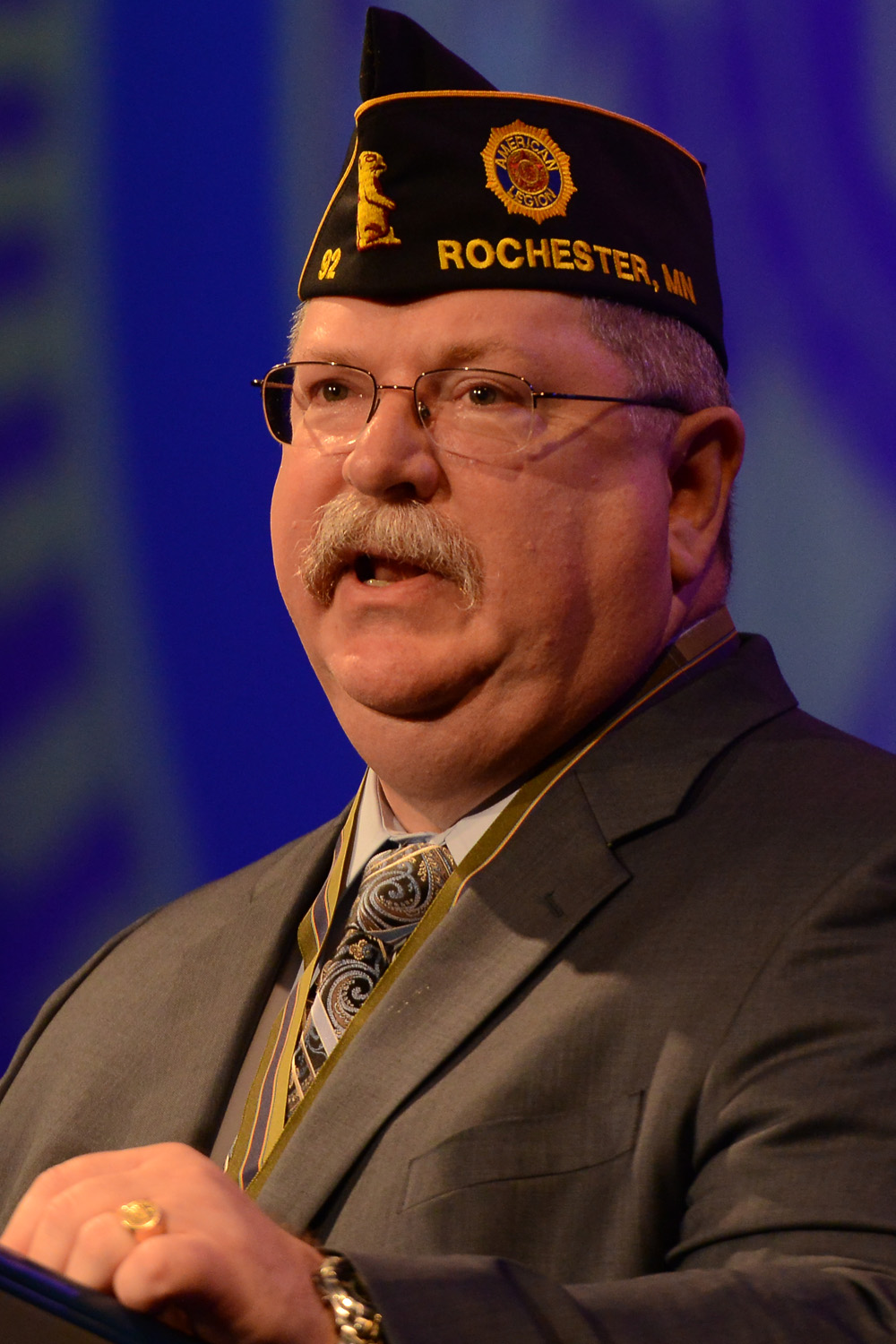
A former U.S. Air Force trauma surgeon who pioneered innovative ways to stop battlefield bleeding was presented the Distinguished Service Medal at the 96th National Convention.
Dr. Donald H. Jenkins, a retired colonel, is currently director of the trauma center at the Mayo Clinic in Rochester, Minn.
2013 - Dallas Cowboys Cheerleaders
The NFL dance troupe received the Distinguished Service Medal at the 95th National Convention in Houston. National Commander James E. Koutz praised the Cheerleaders’ dedication to community service and support for the U.S. military.

2012 - Sen. Richard Lugar
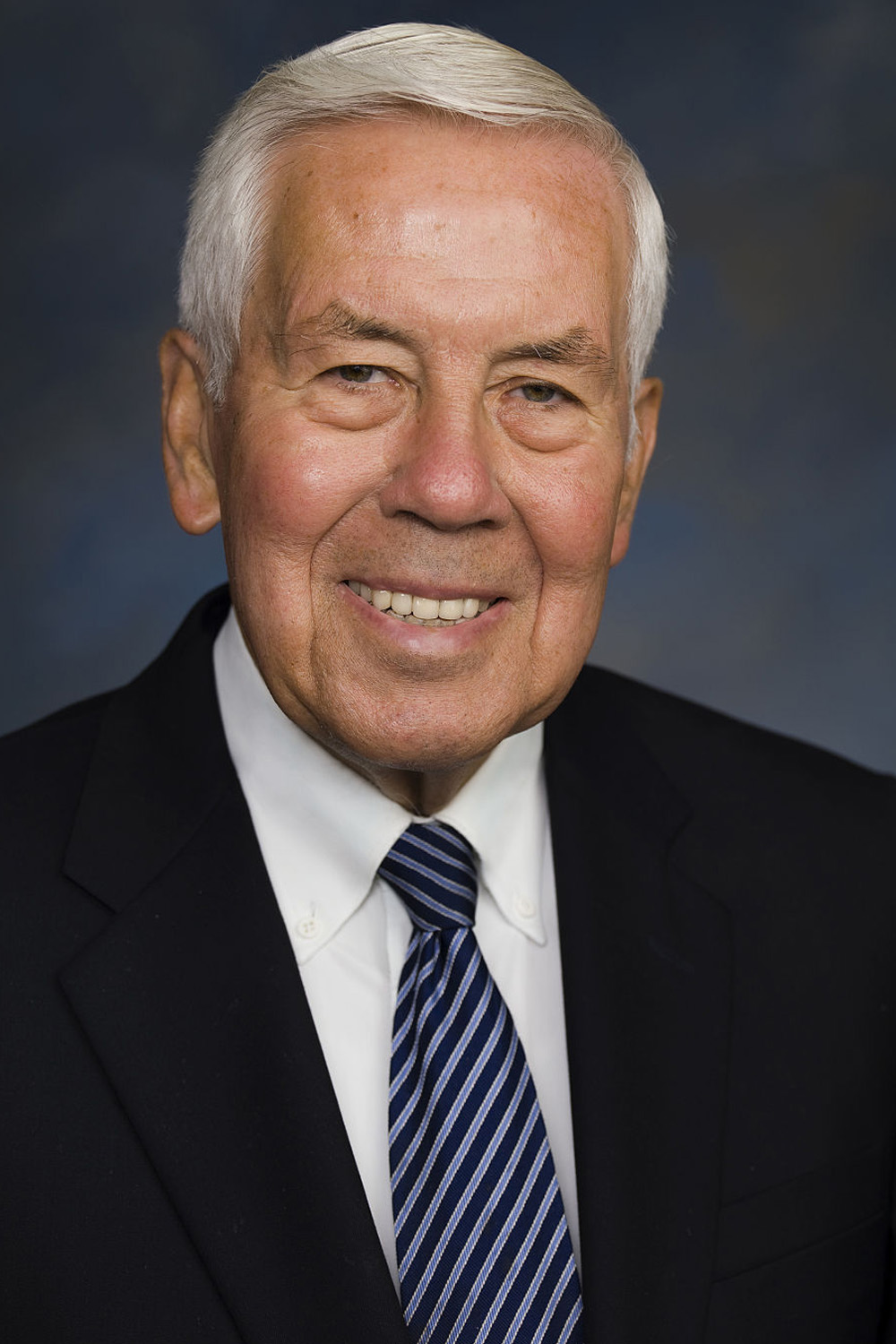
The Republican lawmaker and party leader on the Senate Foreign Relations Committee was presented with the award at the 94th National Convention in Indianapolis - the capital of his home state - close to the end of his 36-year Senate career. Lugar was honored for his long and heralded service to veterans and national security, as well as his commitment to bipartisanship.
2011 - Chet Edwards
Former U.S. Democratic Rep. Chet Edwards was honored with the Distinguished Service Medal at the 93rd National Convention in Minneapolis for his unflagging support of Legion principles during his time in office.
National Commander Jimmie Foster, in presenting the award, lauded Edwards as "a true champion for veterans and American Legion issues ... although his district was in Waco, Texas, his legislative record benefited veterans everywhere.
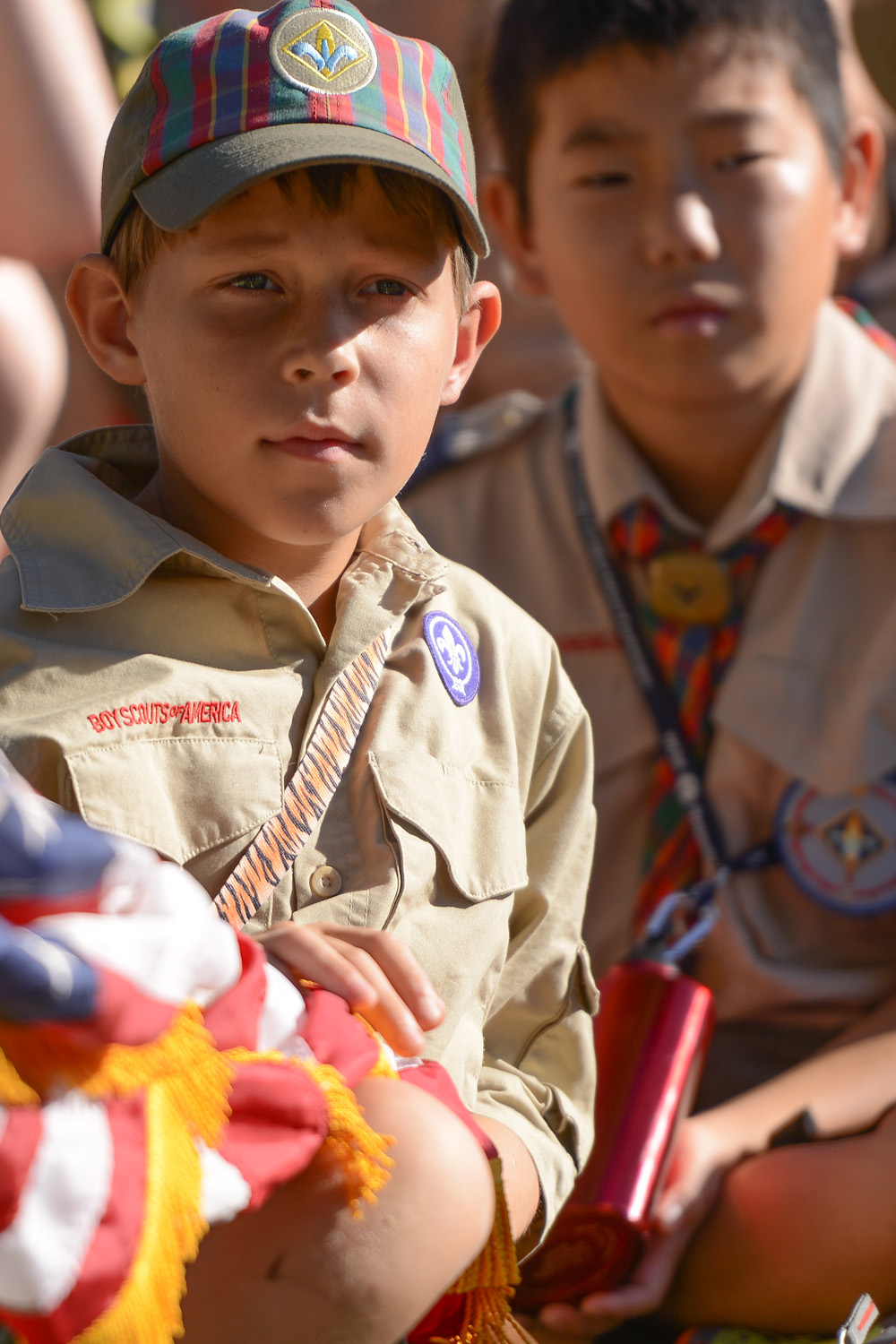
2010 - Boy Scouts of America
Boy Scouts of America, the first national youth activity officially recognized by The American Legion, received the Distinguished Service Medal at the 92nd National Convention in Milwaukee.
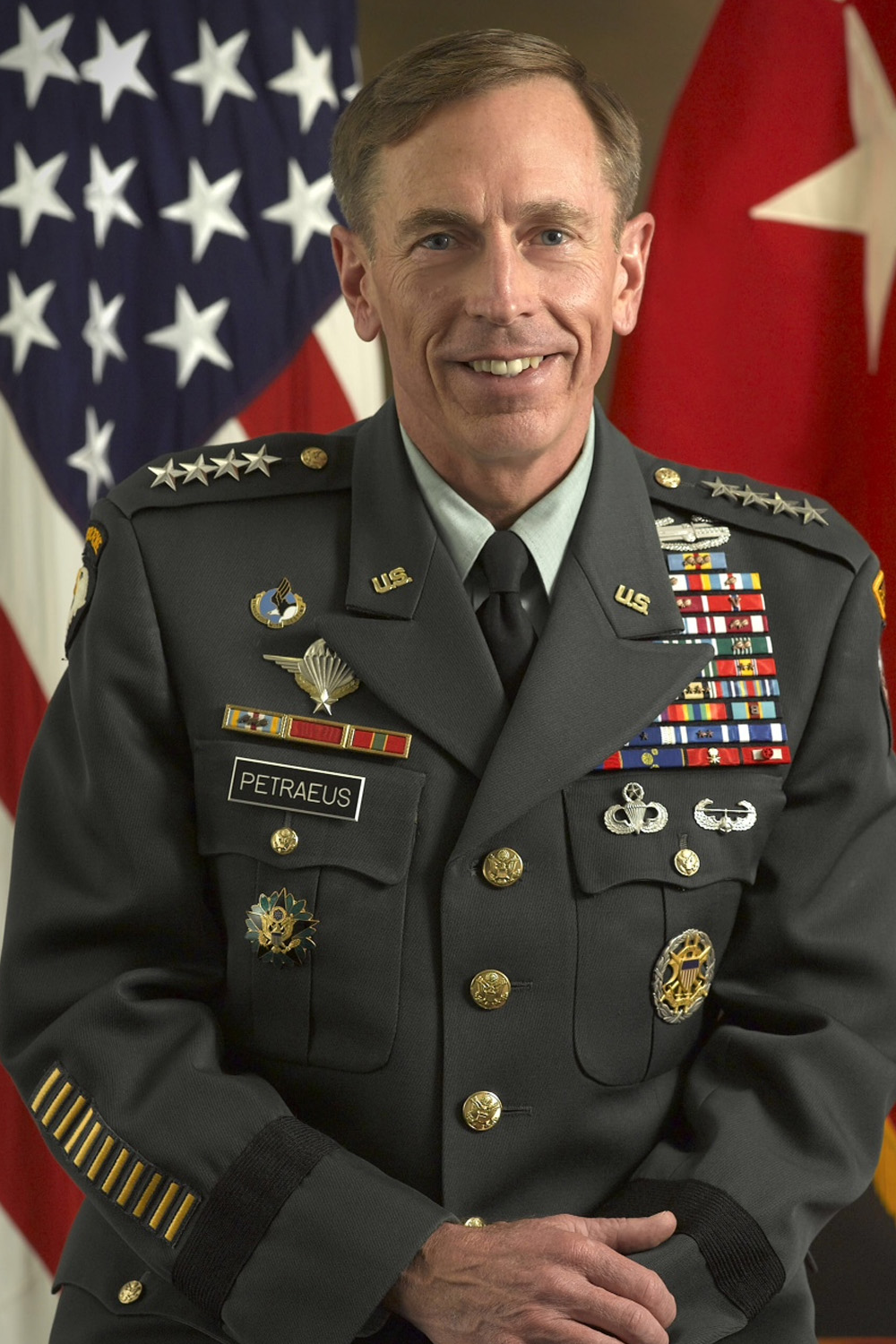
2009 - Gen. David Petraeus
For his leadership as commander of Multi-National Force Iraq in 2007 and 2008, Petraeus received the Legion's Distinguished Service Medal in 2009.
Presenting the award, National Commander David K. Rehbein praised Petraeus for the success of the "surge" strategy. "He would be the first to tell you that the credit for the success in Iraq belongs to those who served and those who are still serving there," he told Legionnaires.
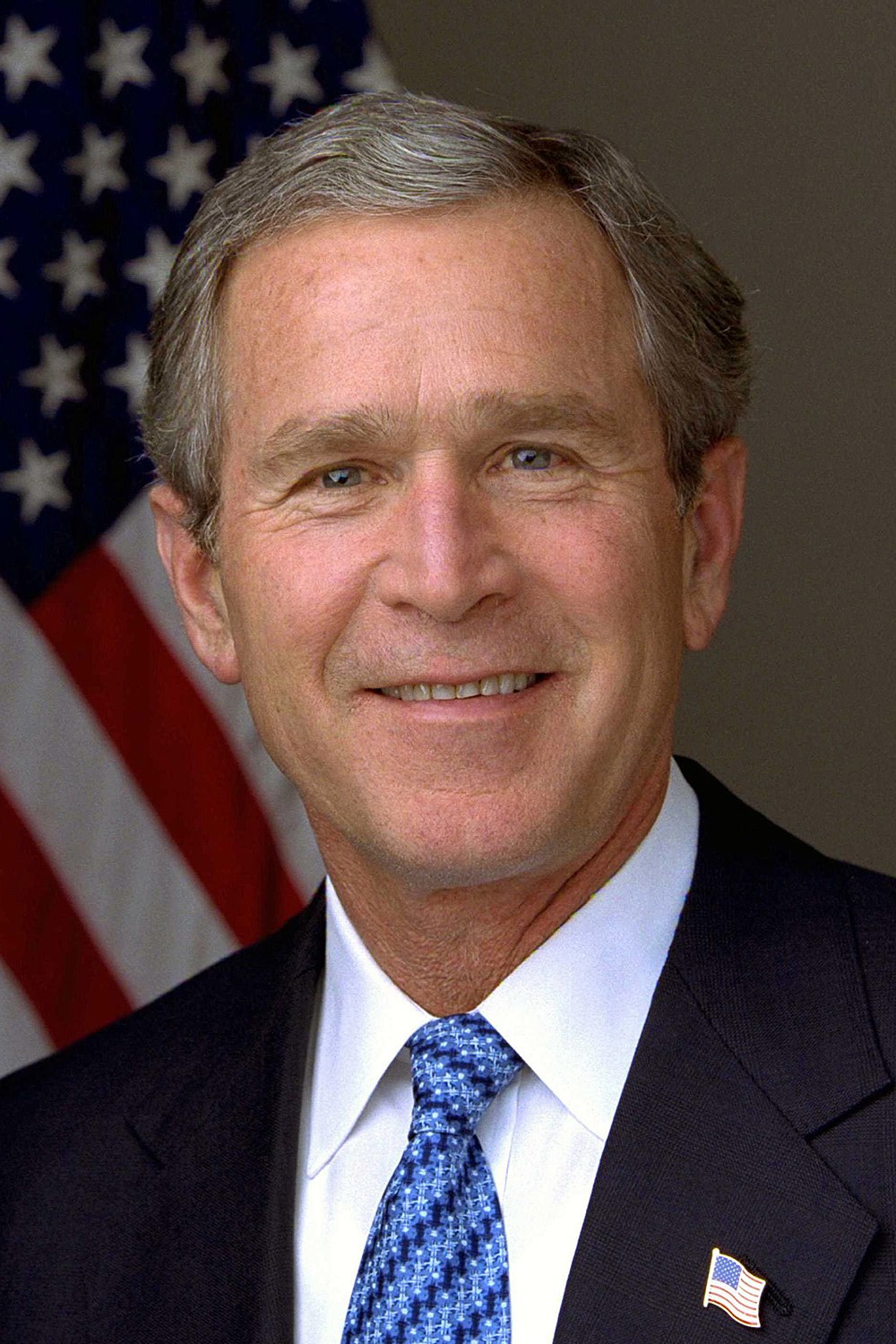
2008 - President George W. Bush
For combating terrorism and resolving to keep America strong in the face of global threats, the nation's 43rd commander in chief received The American Legion's Distinguished Service Medal in 2008.
2007 - Dr. Kenneth W. Kizer
In 2007, The American Legion awarded Kizer the Distinguished Service Medal, recognizing him as the chief architect and driving force behind the radical transformation of VA health care between 1994 and 1999.
A former Navy diver and member of Post 38 in Rockland, Calif., Kizer "truly understands the concept of veterans helping veterans," National Commander Paul Morin said.
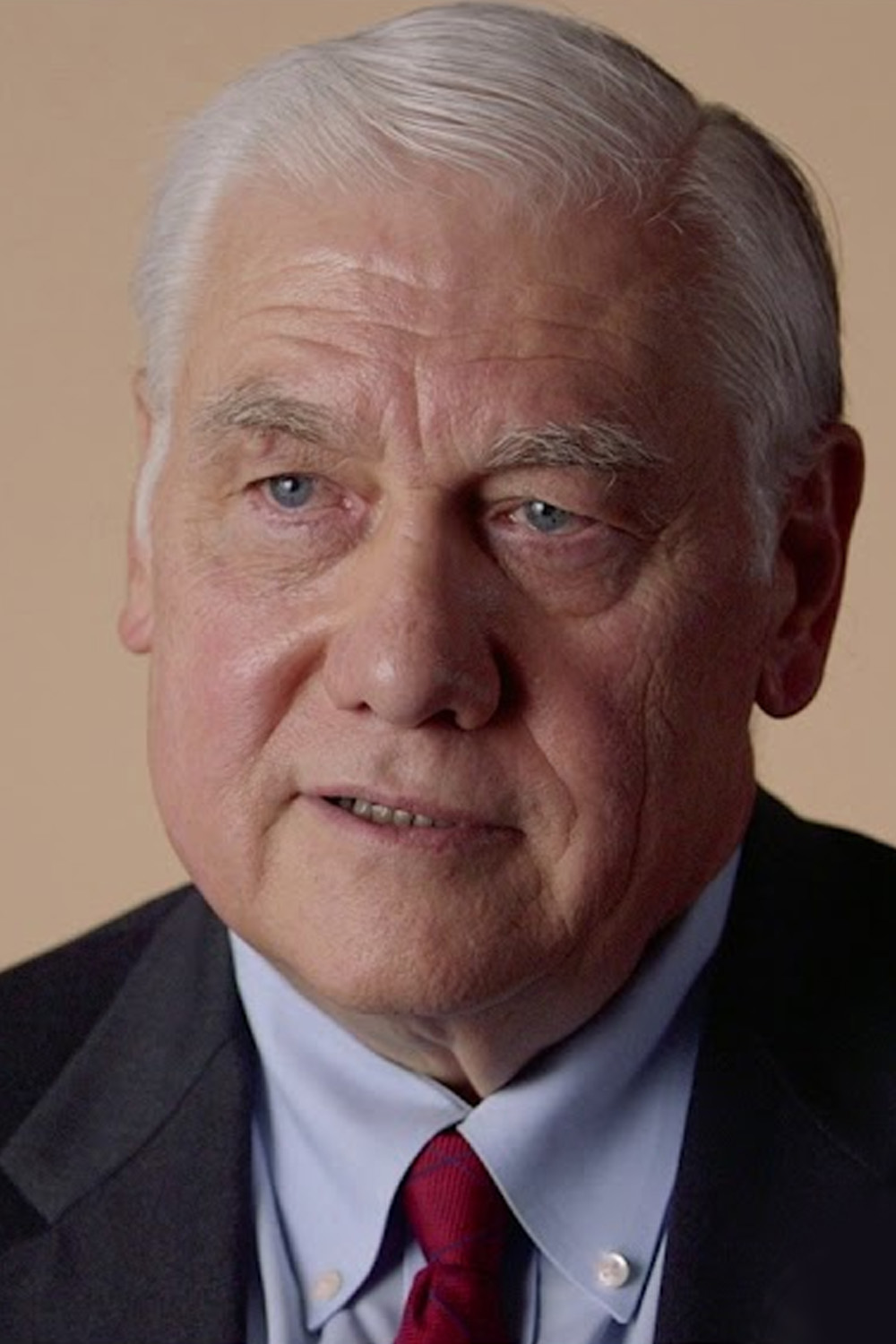
2006 - Maj. Gen. Patrick H. Brady
For his vision and leadership in the Citizens Flag Alliance's campaign to return to the American people the right to protect their flag, Brady received the Legion's Distinguished Service Medal in 2006.
"Our nation is secure from any external threat," Brady told convention delegates. "The true threat is internal. And it comes from an elite of counterfeit patriots who ... were raised on a different playing field than we were. They never saw a battlefield. They will never sacrifice life or limb for America. In fact, they don't believe in sacrifice."
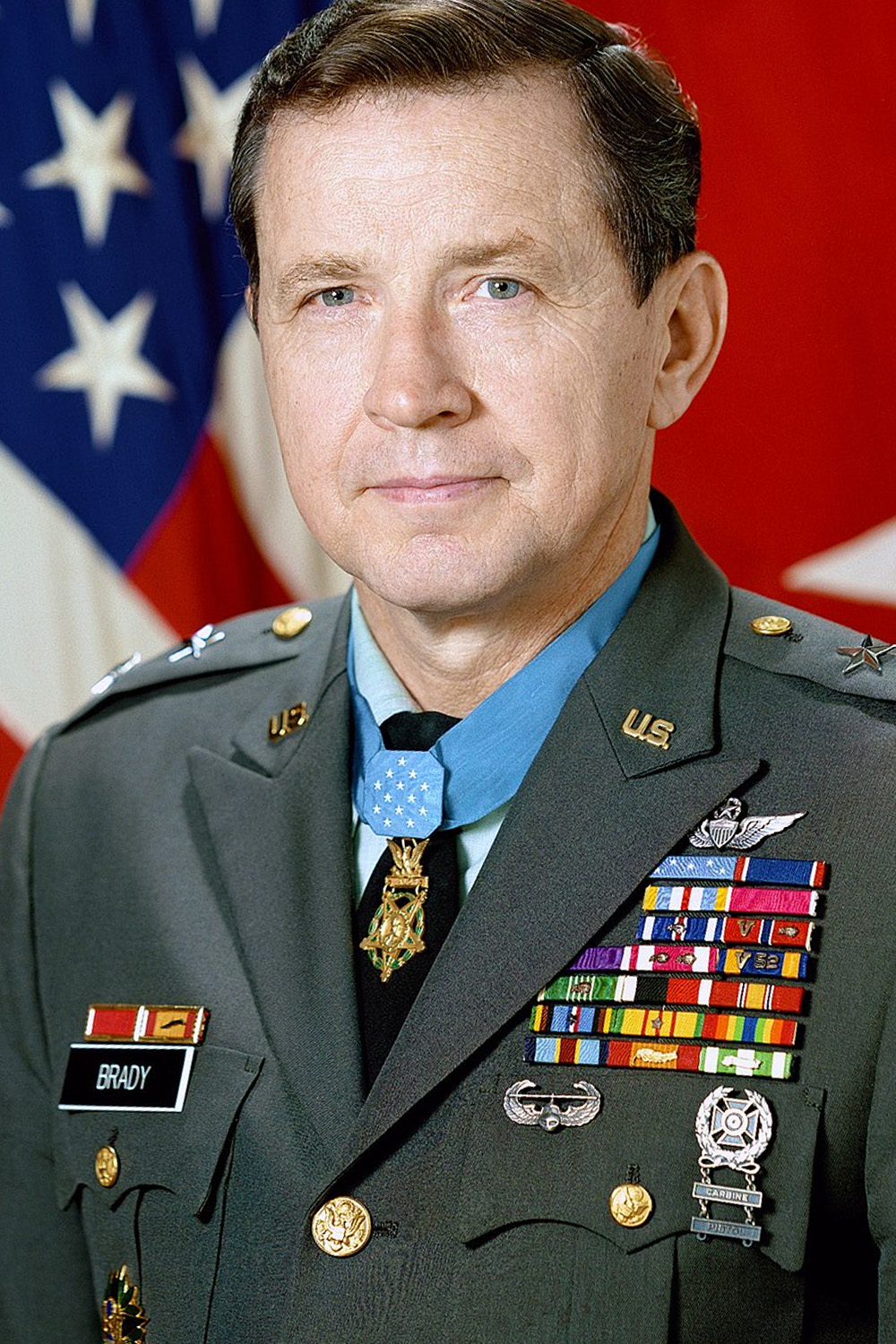
2005 - Gen. Richard B. Myers
Praised by National Commander Thomas P. Cadmus for "his vision and leadership in today's defense efforts and the pursuit of peace," Myers - who served as chairman of the Joint Chiefs of Staff from 2001 to 2005 - received the Legion's Distinguished Service Medal in 2005.
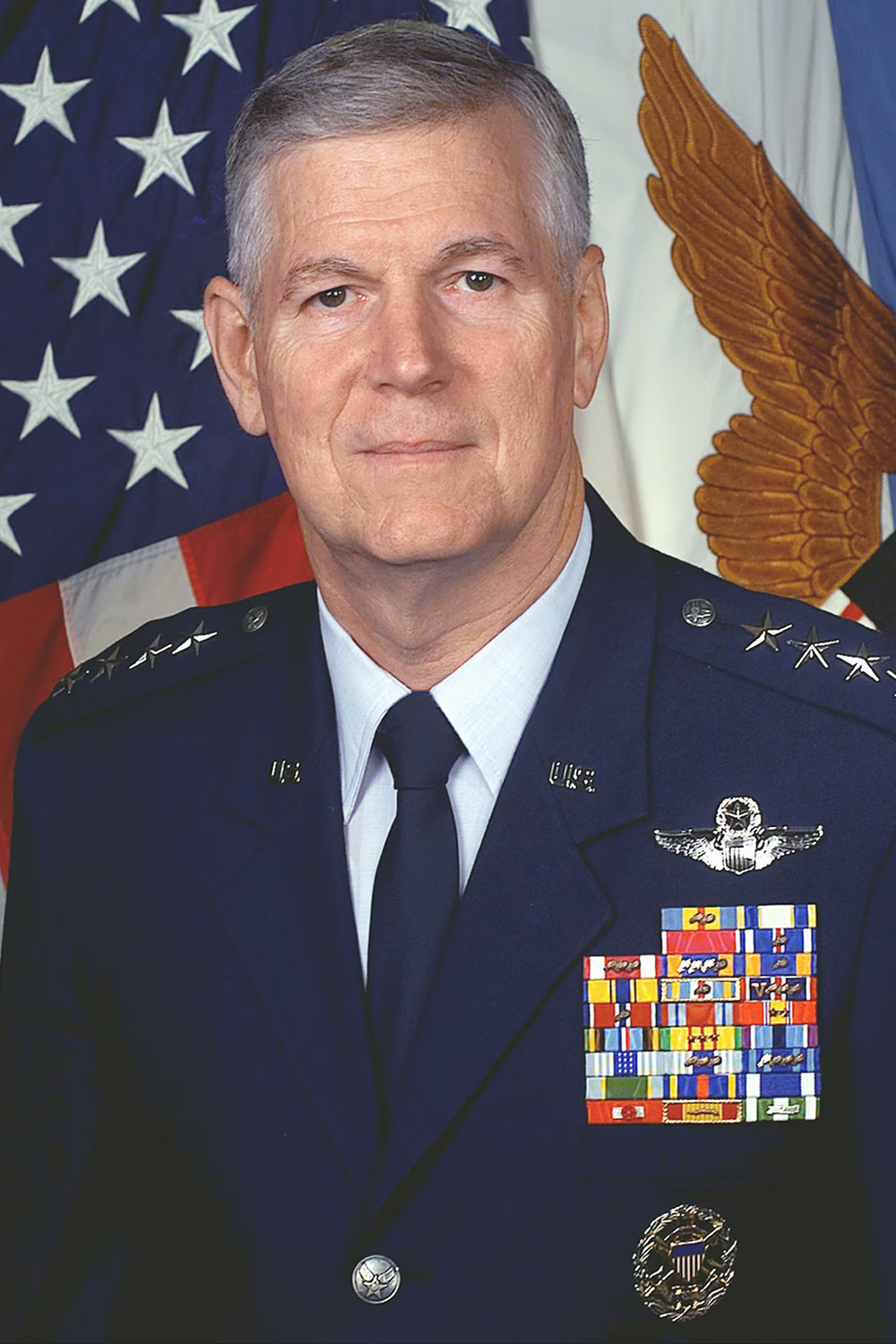
2003 - Drs. Jeanne Mager Stellman and Steven Stellman
For their work linking illnesses of Vietnam War veterans to the herbicide and defoliant sprayed by the U.S. military in country, The American Legion recognized chemist Jeanne Mager Stellman and her husband Steven, an epidemiologist, with the Distinguished Service Medal in 2003.
2002 - Rep. Bob Stump
One of The American Legion's great friends in Congress and a strong advocate for veterans, Stump received the Distinguished Service Medal in 2002. Though he was too ill to attend the national convention, he sent a message of gratitude via videotape.
In his tribute, National Commander Richard J. Santos said Stump "has three strong characteristics among his core values: hard work, perseverance and civil service. Throughout his life, he has demonstrated a love of God and country, and a passion for the law and our constitution."
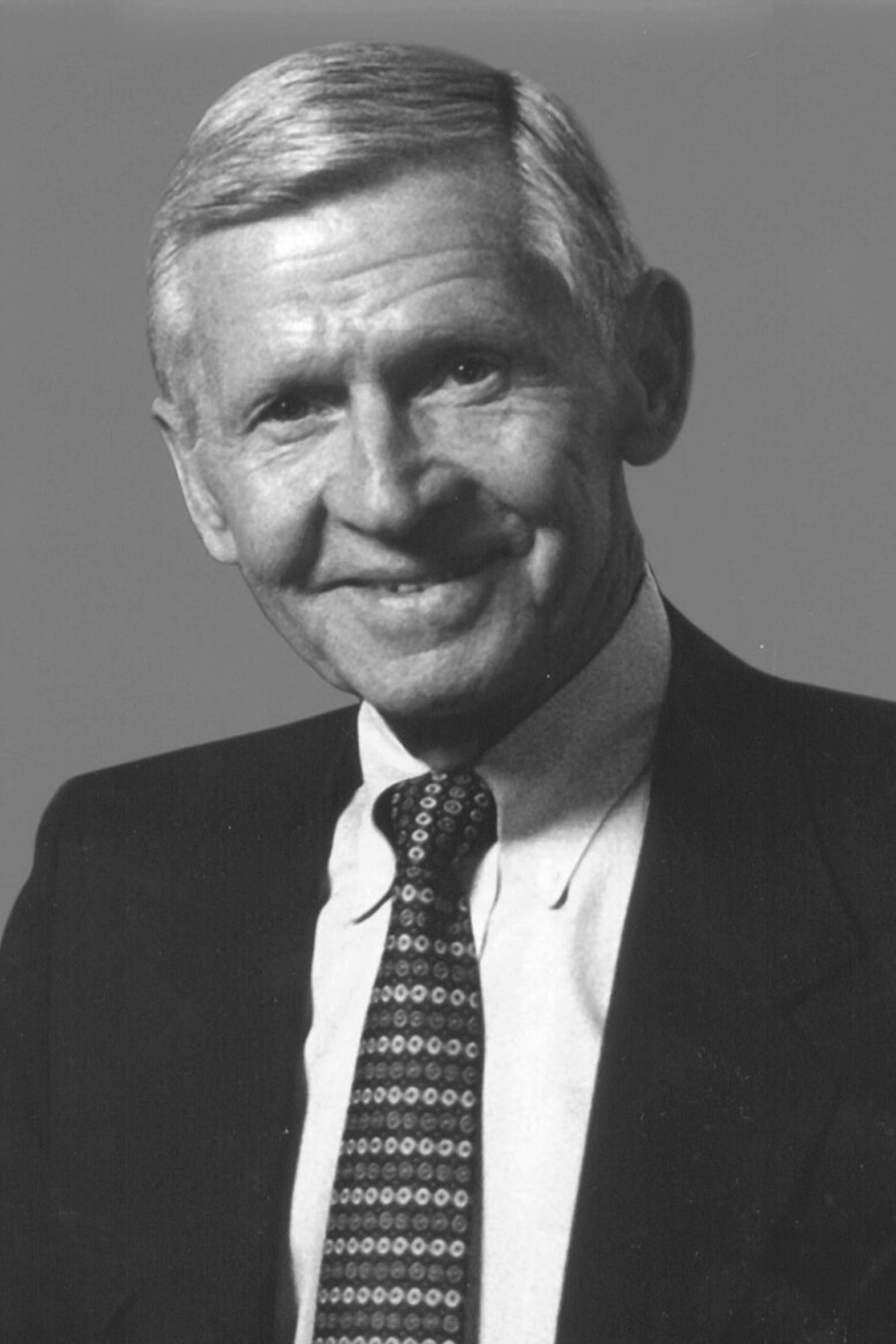
2001 - Gen. Henry H. Shelton
Just months before the end of his second term as chairman of the Joint Chiefs of Staff, Shelton made his last formal appearance before The American Legion, receiving its 2001 Distinguished Service Medal.
National Commander Ray G. Smith said that to be considered for the Distinguished Service Award, "one must demonstrate outstanding service to the nation and to the programs of The American Legion. Our recipient this year is well qualified."
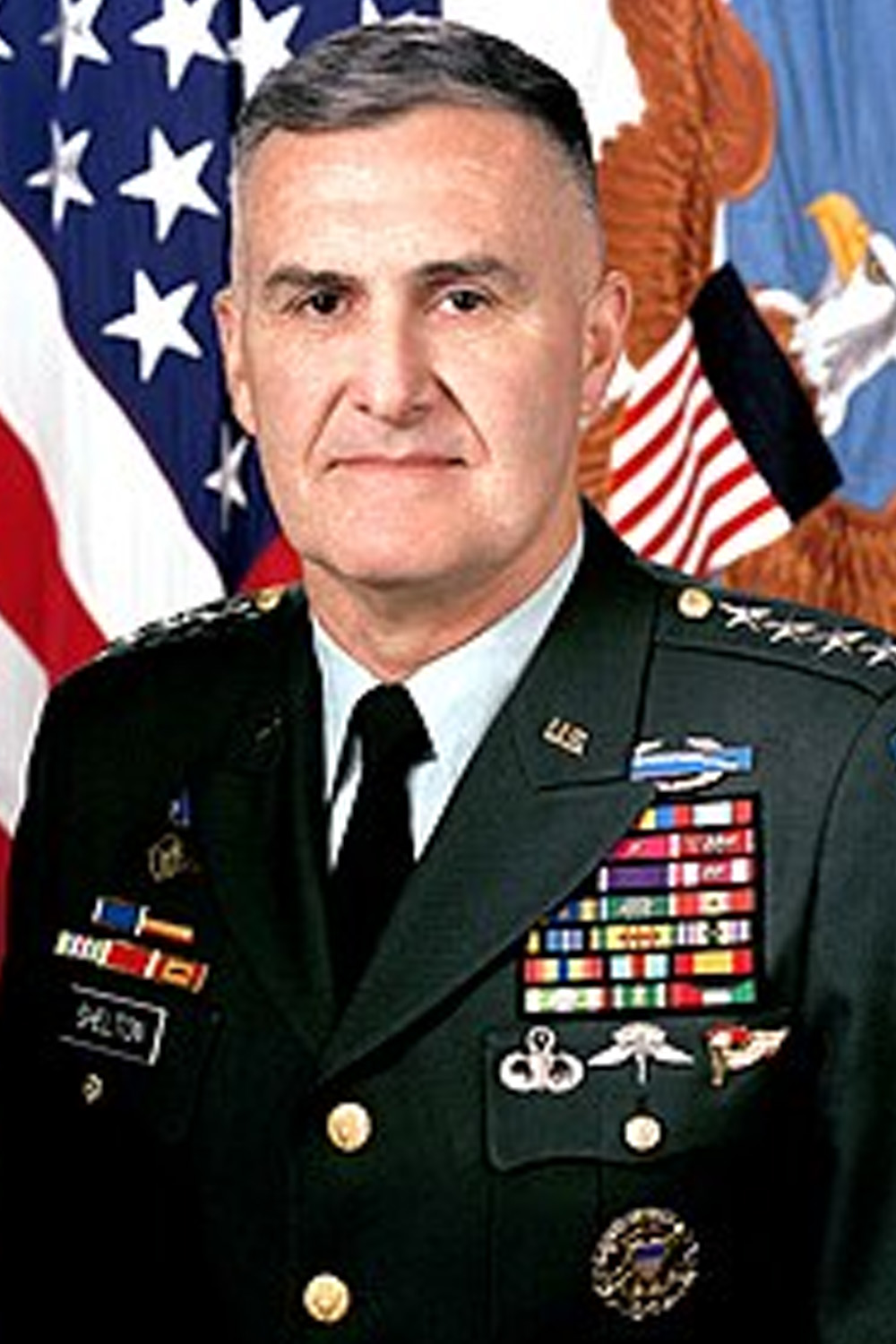
2000 - Sen. Orrin Hatch
An advocate for a strong national defense and a staunch protector of Old Glory, Hatch received The American Legion's Distinguished Service Medal in 2000.
Praising the Utah Republican, National Commander Alan G. Lance Sr. said Hatch believes America's national security "is best maintained by focused involvement in world affairs. This great American leader often serves as a voice employing Congress to do what is right for America. That is what he has done when it comes to protecting the American flag from physical desecration."
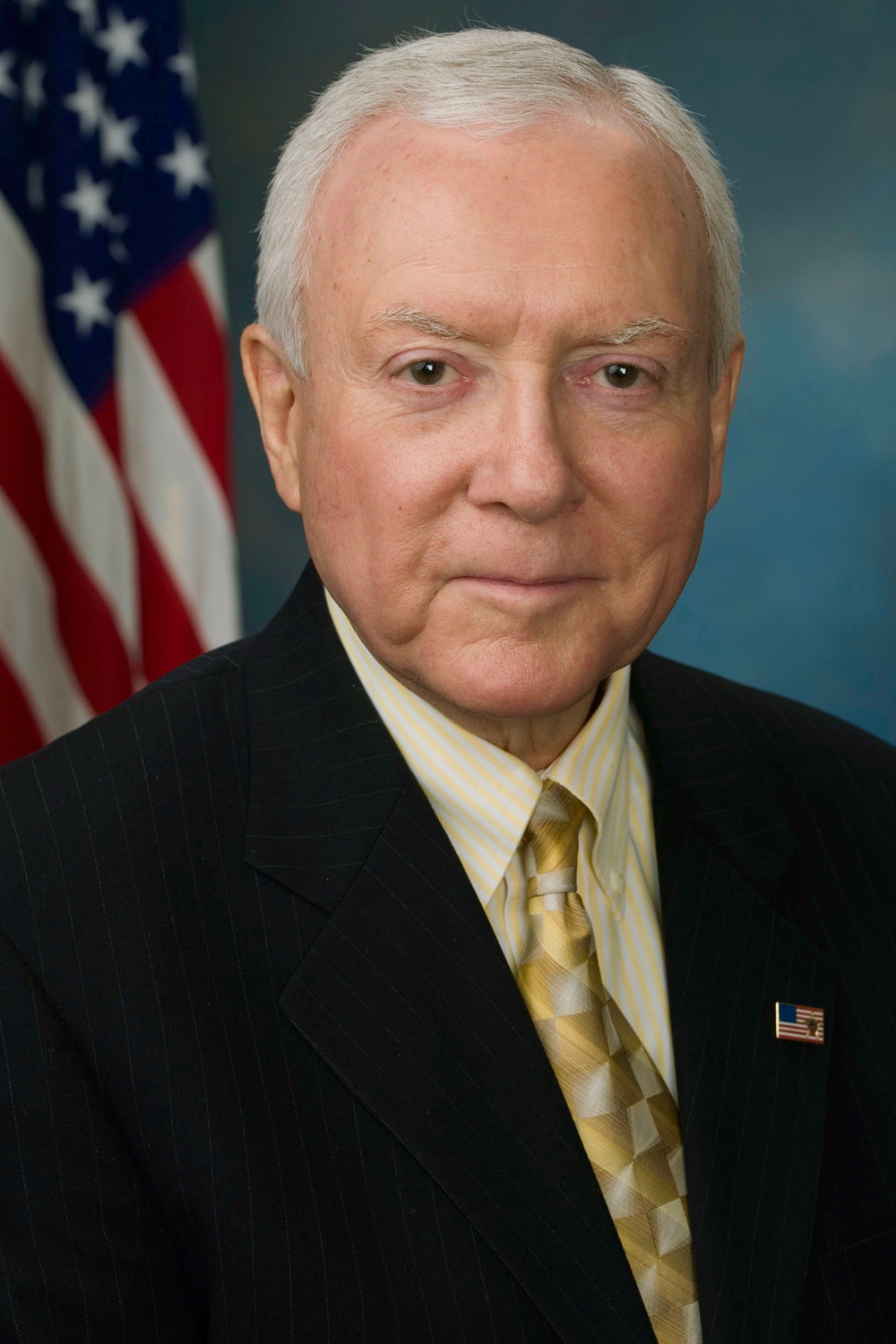
1999 - Zachary Fisher
Fisher passed away just three months before The American Legion honored him with the Distinguished Service Medal, for his successful efforts to help the families of hospitalized veterans. National Commander Butch L. Miller called Fisher "a truly great American ... What he accomplished in his lifetime will be forever remembered in the history books but even more so in the lives that he touched."
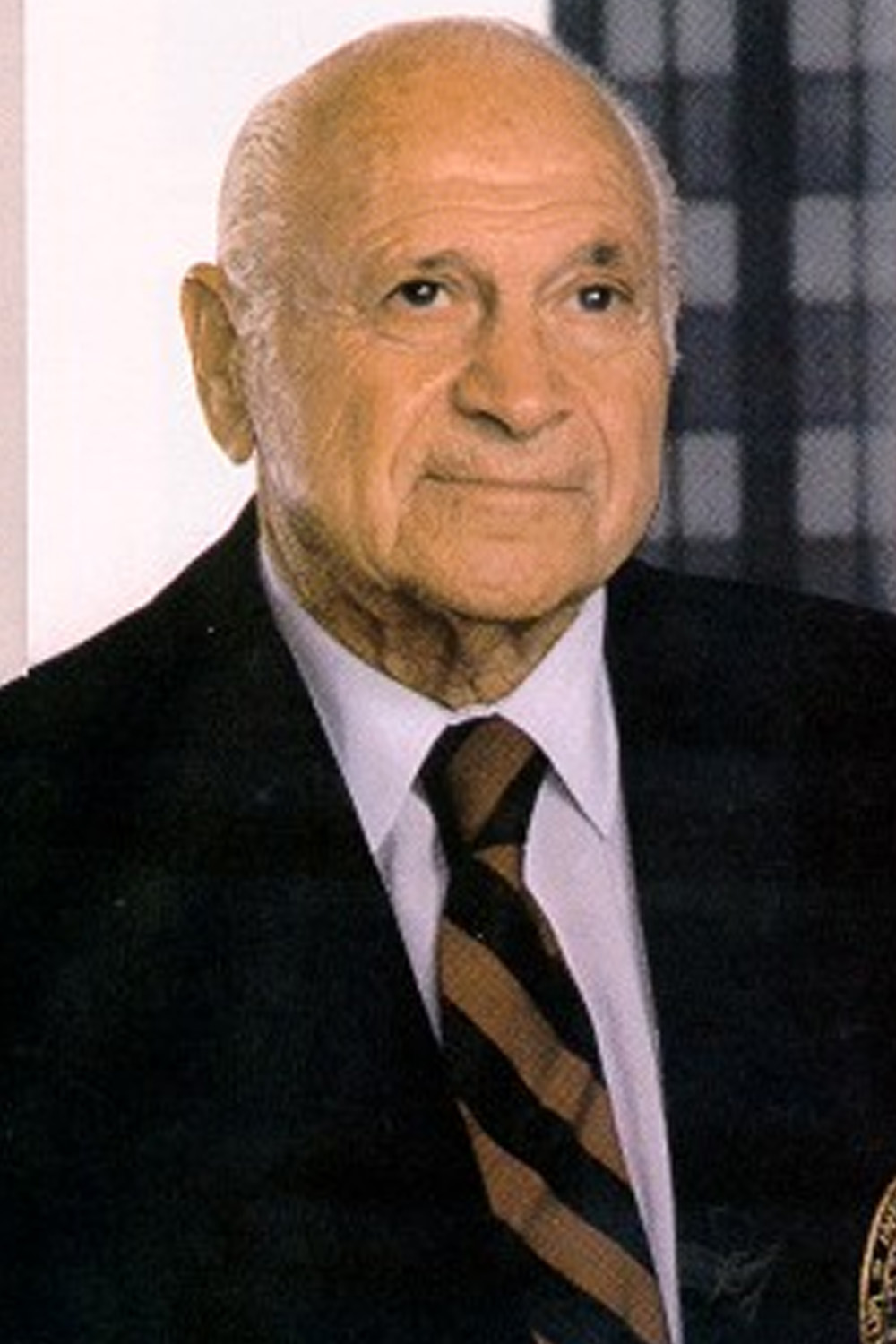
1997, Sen. Robert J. Dole
Combat veteran, Legionnaire, longtime senator and presidential candidate, Dole received The American Legion's Distinguished Service Medal in 1997, with National Commander Joseph J. Frank calling him "an avid and ardent supporter of America's veterans."
Accepting the honor, Dole said, "Whether you served in World War I or II, or in Korea, or in Vietnam or Lebanon or Grenada, Panama or the Gulf, we will never forget our responsibility to those who have worn the uniform at home or abroad in service to our great nation."
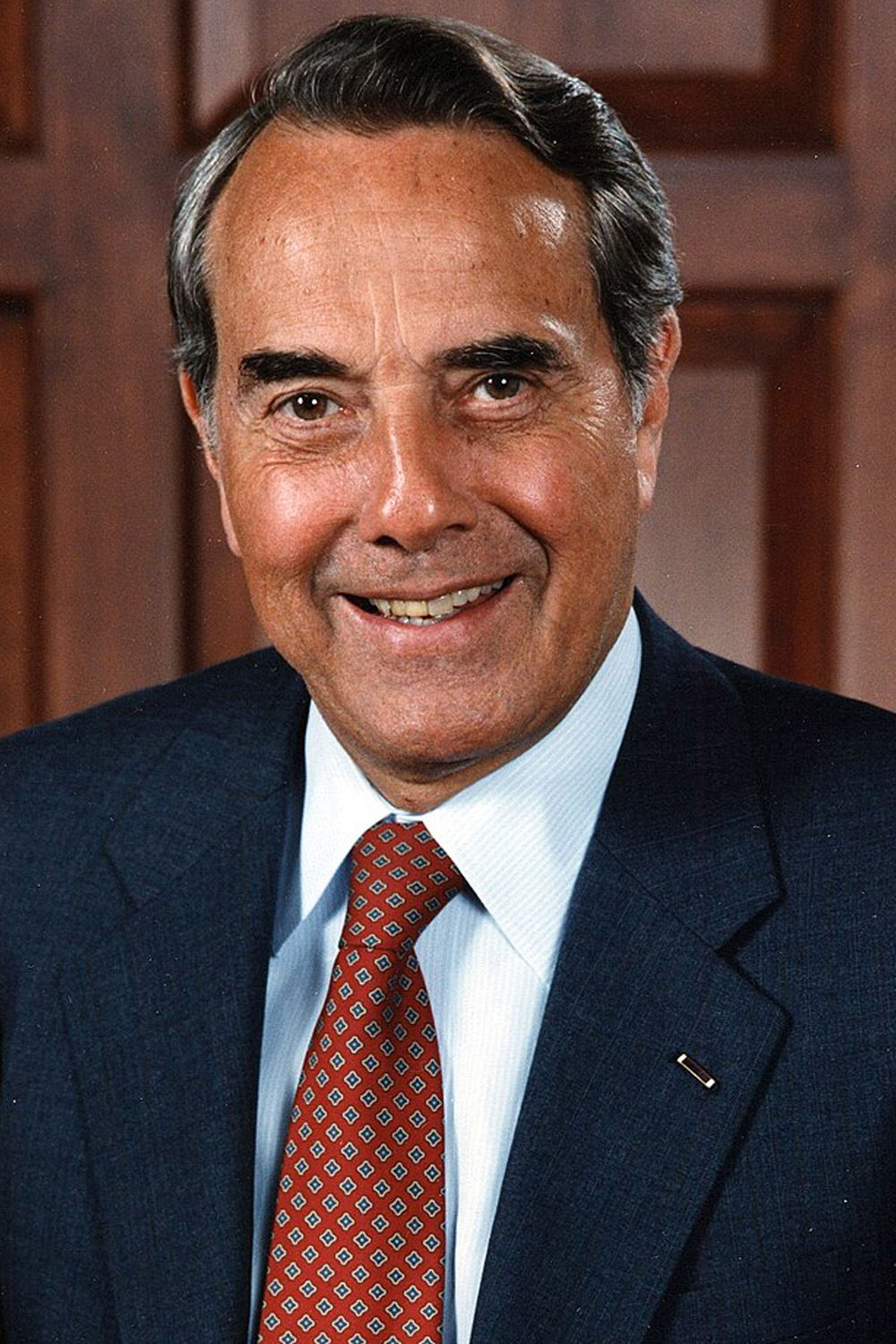
1996 - Rep. G.V. "Sonny" Montgomery
For his veterans advocacy and passage of the Montgomery GI Bill, which in 1984 expanded education benefits for the military beyond the provisions of the original GI Bill of 40 years earlier, Montgomery received The American Legion's Distinguished Service Medal in 1996.
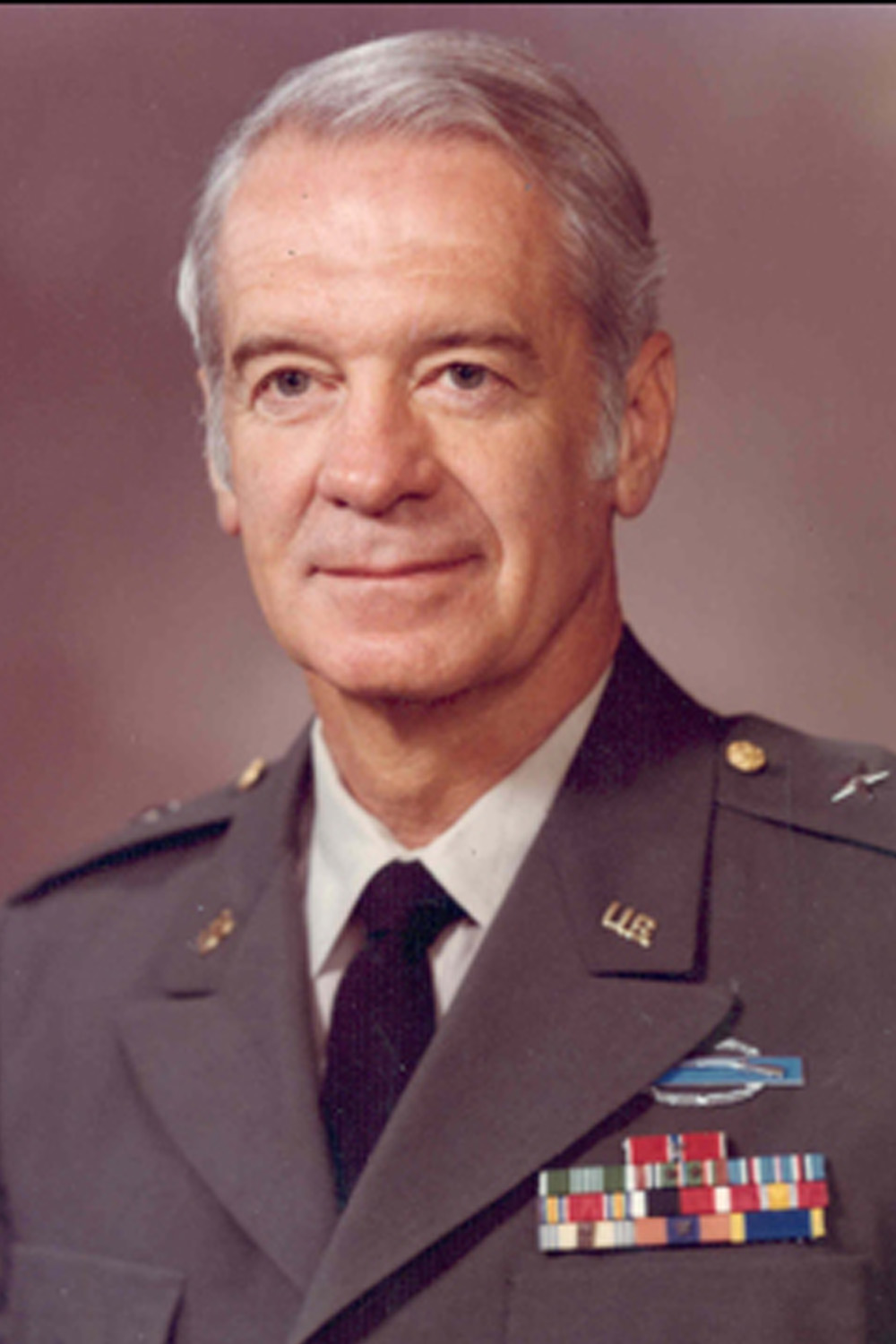
1995 - Crew of the Enola Gay
Fifty years after the crew of the Enola Gay dropped the atomic bomb on Hiroshima, hastening Japan's surrender, The American Legion honored Tibbets and his crew with the Distinguished Service Medal.
"There is no doubt in my mind that many of you who are here today would not be here if it hadn't been for the courageous mission of the men of the Enola Gay," National Commander William Detweiler told convention delegates.
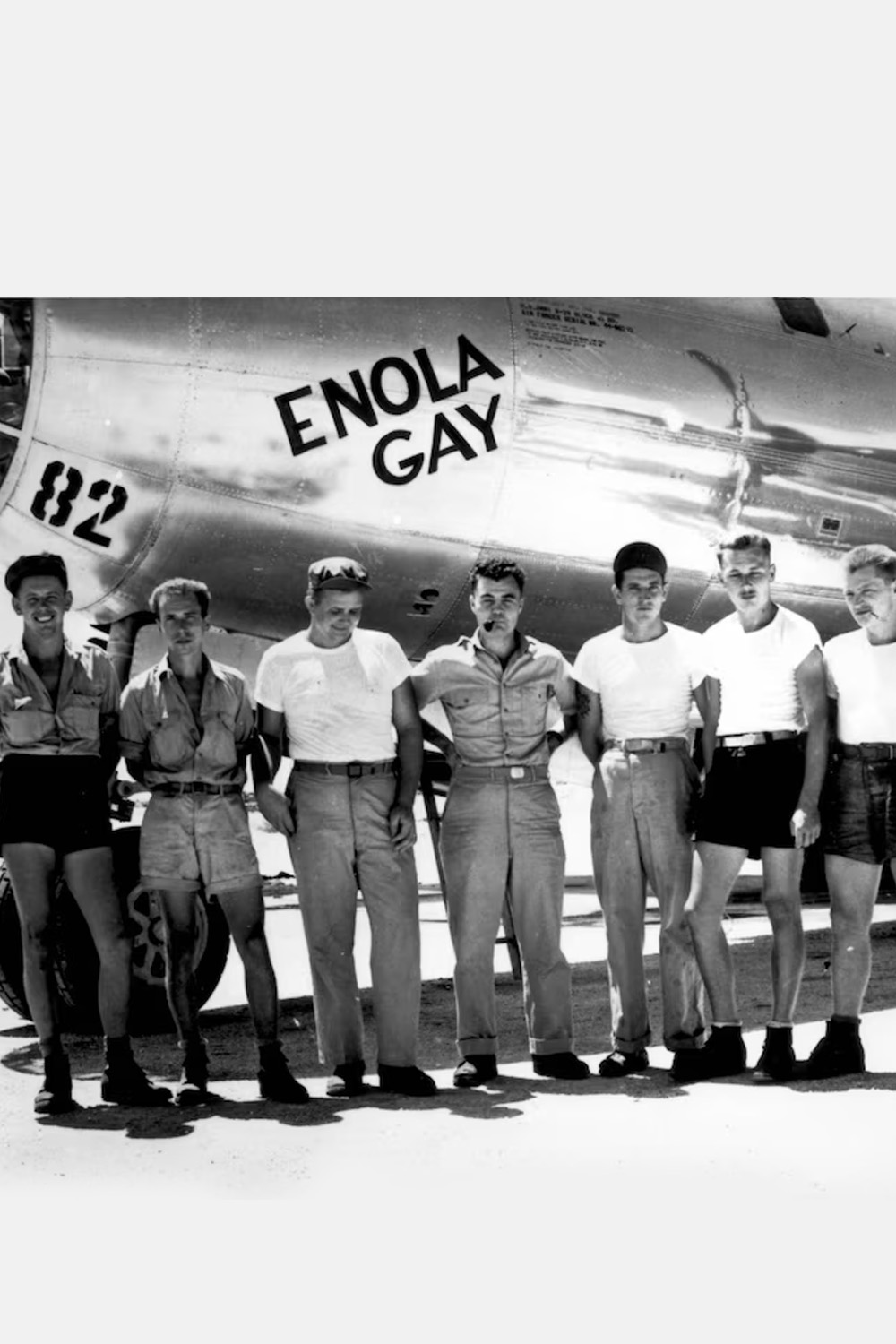
1994 - Walter Annenberg
As founder of TV Guide, Annenberg made numerous public contributions, including a five-year, $500 million reform gift to education. For his work, he received the Legion's Distinguished Service Medal in 1994.
The former Navy Reserve commander accepted the honor by saluting "all the members of The American Legion who served their fellow citizens and our country in a masterful manner.
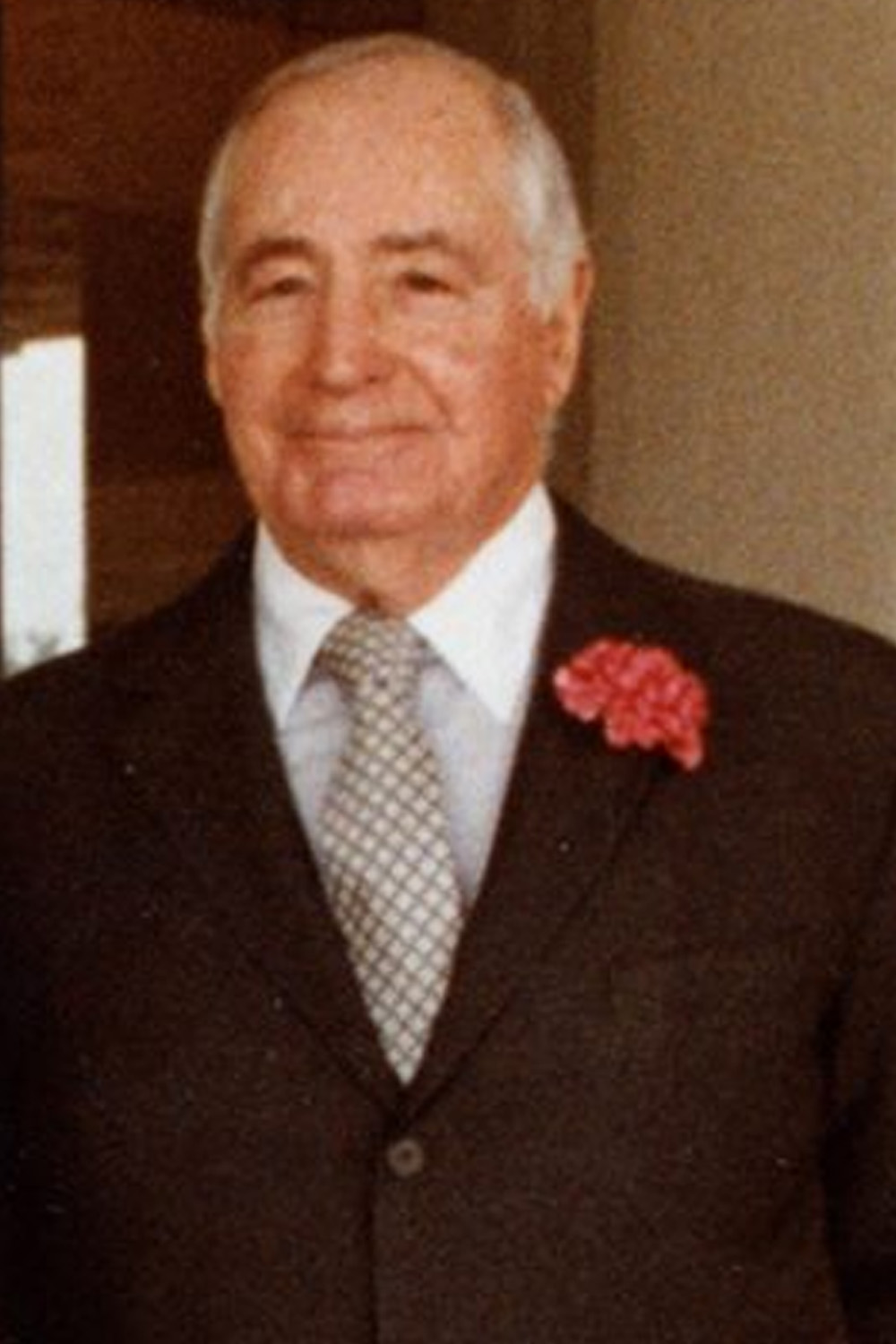
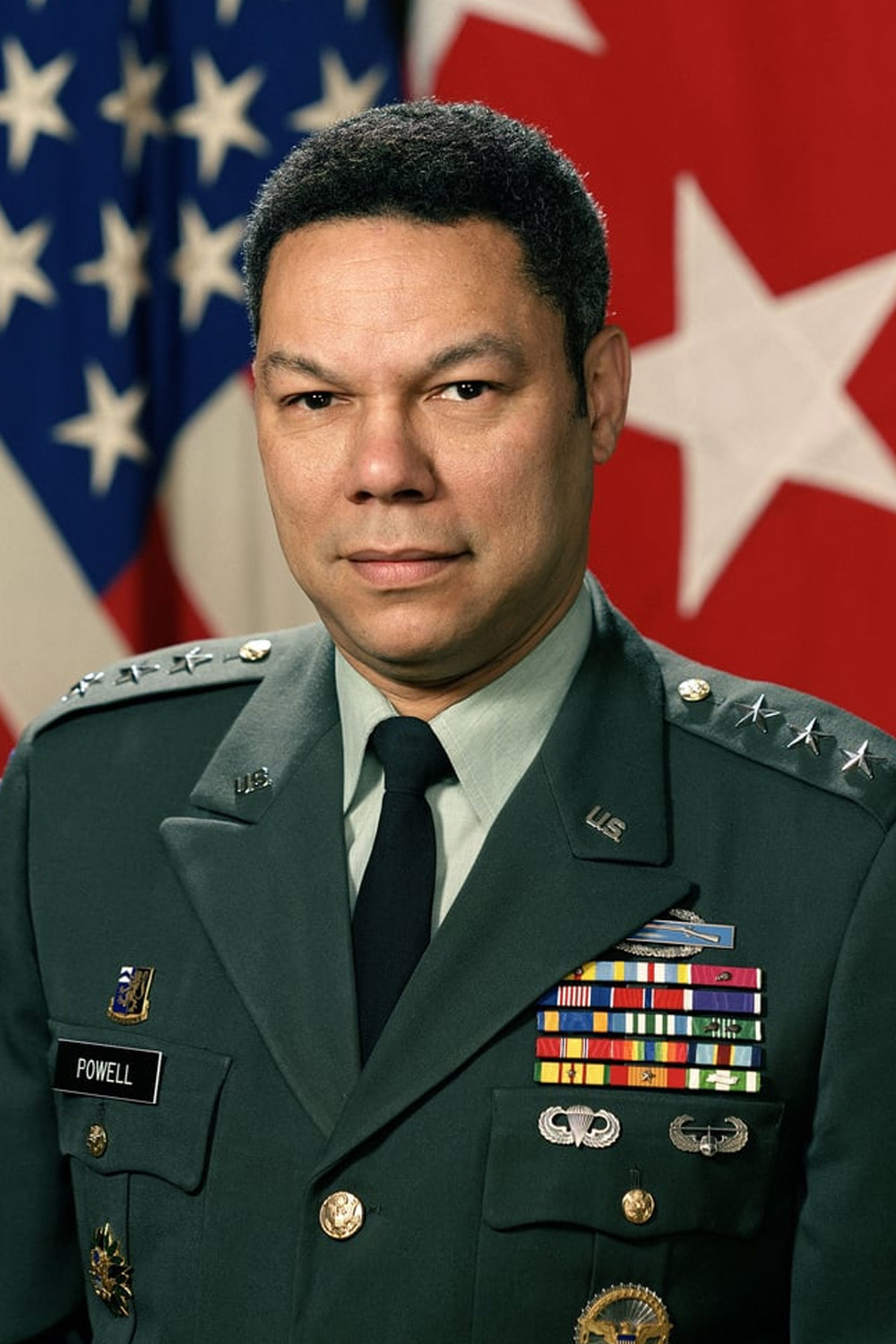
1993 - Gen. Colin Powell
Two tours of duty in Vietnam and four years as chairman of the Joint Chiefs of Staff were among the accomplishments cited by The American Legion in its selection of Powell as its Distinguished Service Medal recipient in 1993.
The decorated general "served in increasingly responsible command positions throughout a distinguished military career," stated the National Executive Committee, also praising his direction of the U.S. military during the Persian Gulf War.
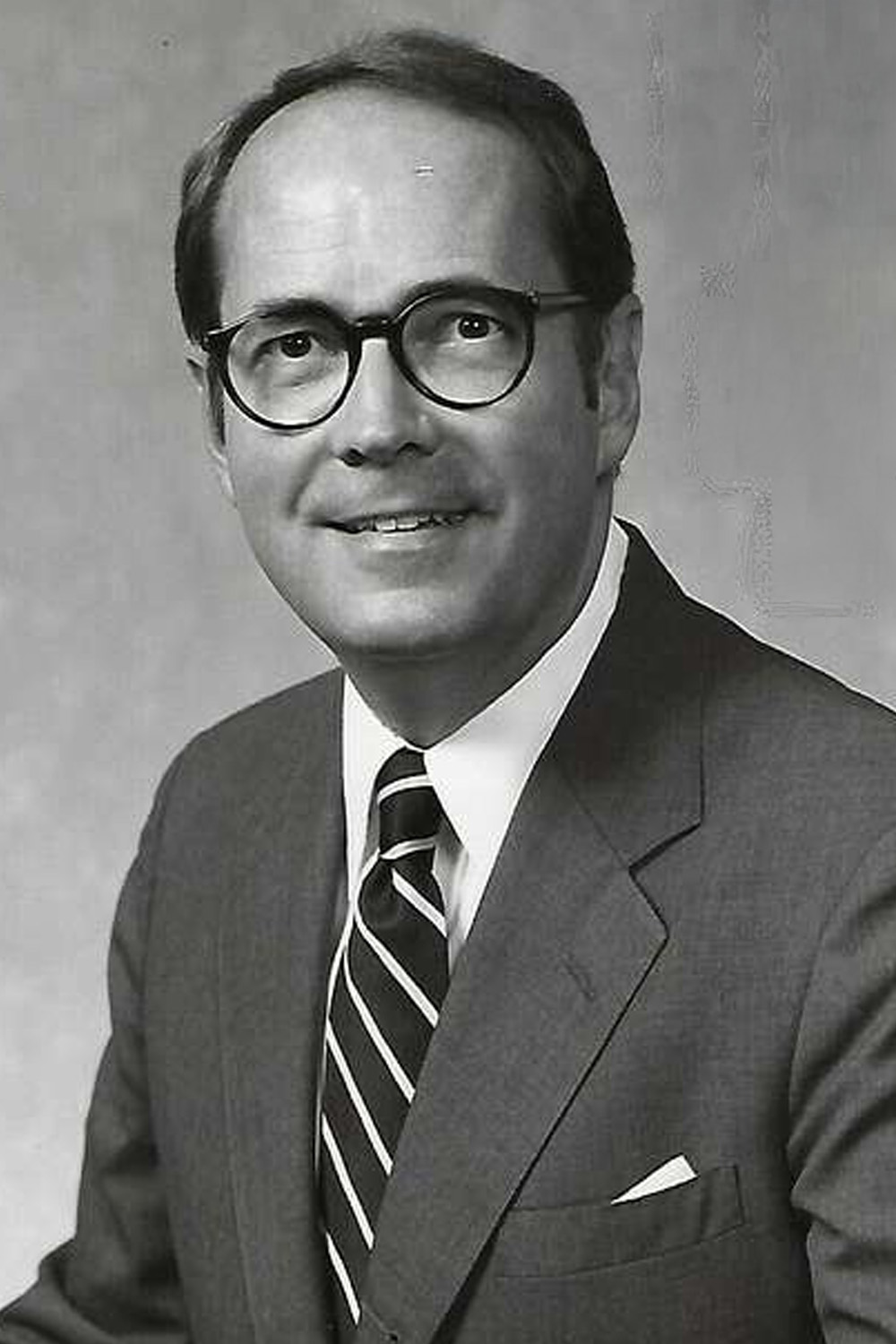
1992 - Richard Thornburgh
For a career in public service and his support of veterans, Thornburgh received the Legion's Distinguished Service Medal from a fellow Pennsylvanian, National Commander Dominic DiFrancesco, in 1992.
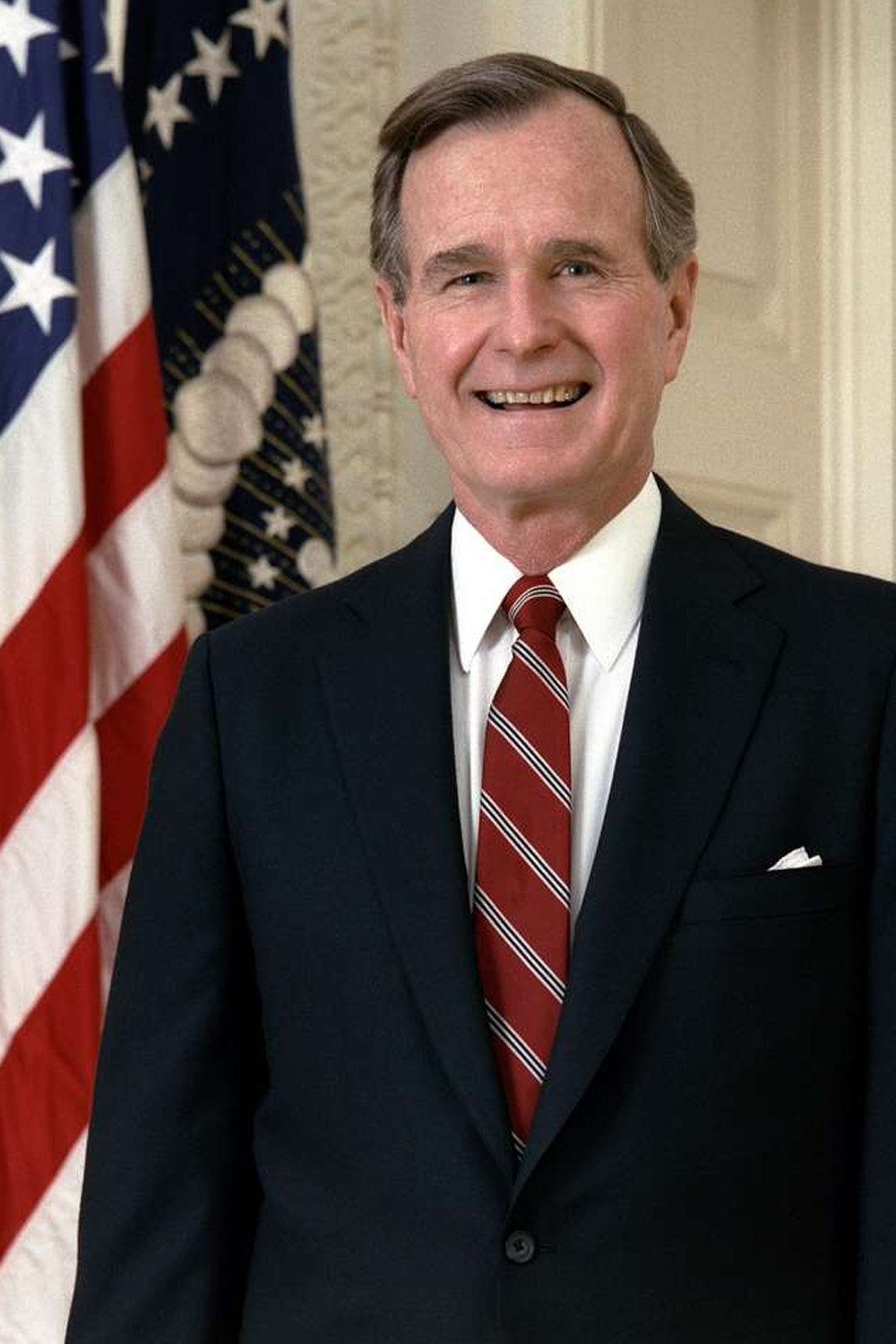
1991 - President George H.W. Bush
Bush accepted the Legion's Distinguished Service Medal in 1991, telling Legionnaires that the United States must remain strong in every way. "In the 21st century, America must be not only a military superpower," he told delegates, "but also an economicsuper power and an export superpower .... We didn't end the Cold War to make the world safe for trade wars. We must fight the protectionist impulse here at home and we must work with our partners for trade that is free, fair and open."
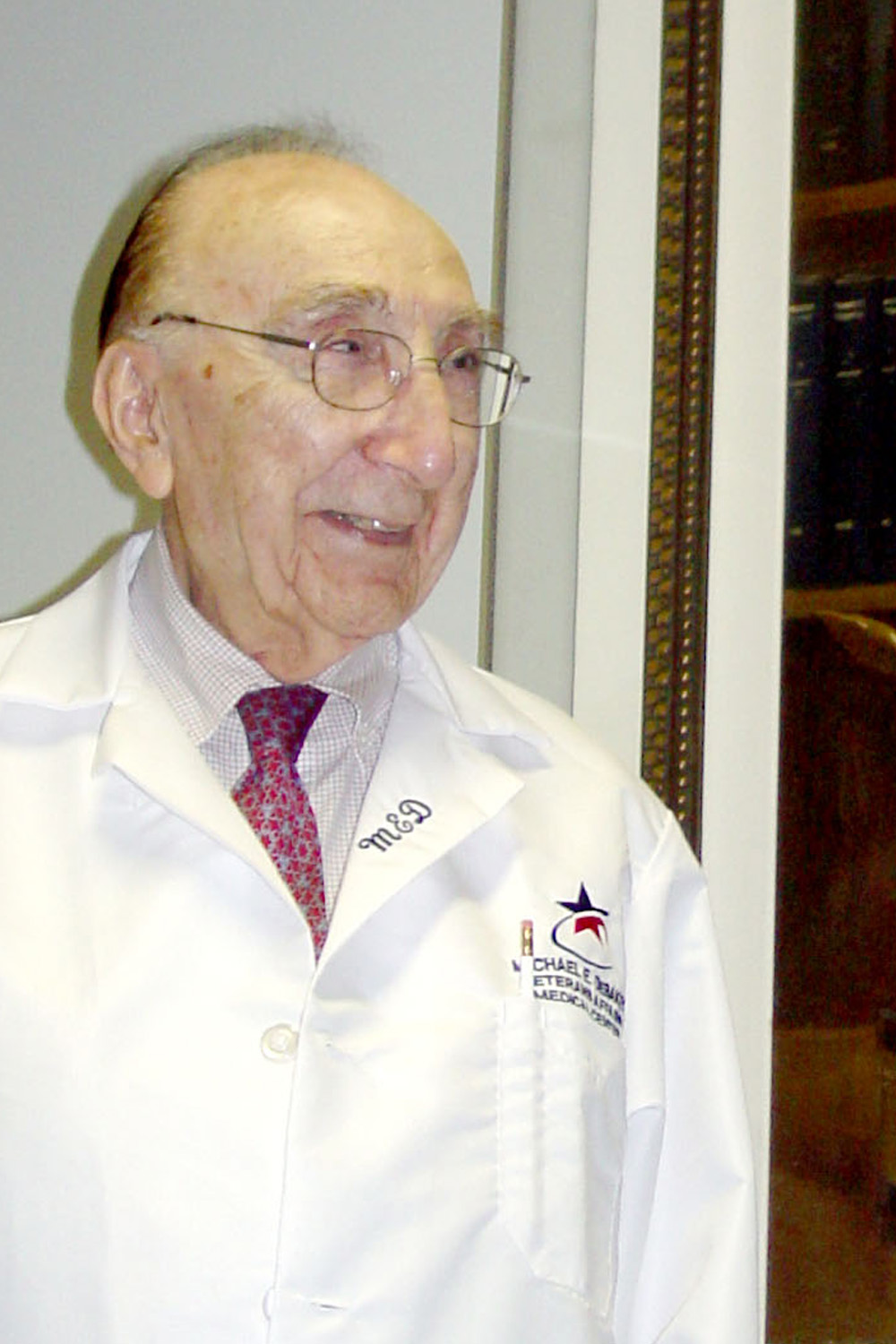
1990 - Dr. Michael E. DeBakey
For his contributions to the armed forces and his pioneering work in the field of open-heart surgery, the Legion gave the Distinguished Service Medal to DeBakey, who developed the Mobile Army Surgical Hospital, or MASH, unit common in the Korean War. Presenting the award, National Commander Miles S. Epling said DeBakey "has the enviable reputation as a medical statesman, serving as adviser to almost every president in the past 50 years.
1989 - Howard H. Baker Jr.
A World War II Navy veteran and a member of Post 136 in Oneida, Tenn., Baker received The American Legion's Distinguished Service Medal in 1989 for an illustrious Senate career spanning 18 years. Four years earlier, he received the Legion's Distinguished Service Award.
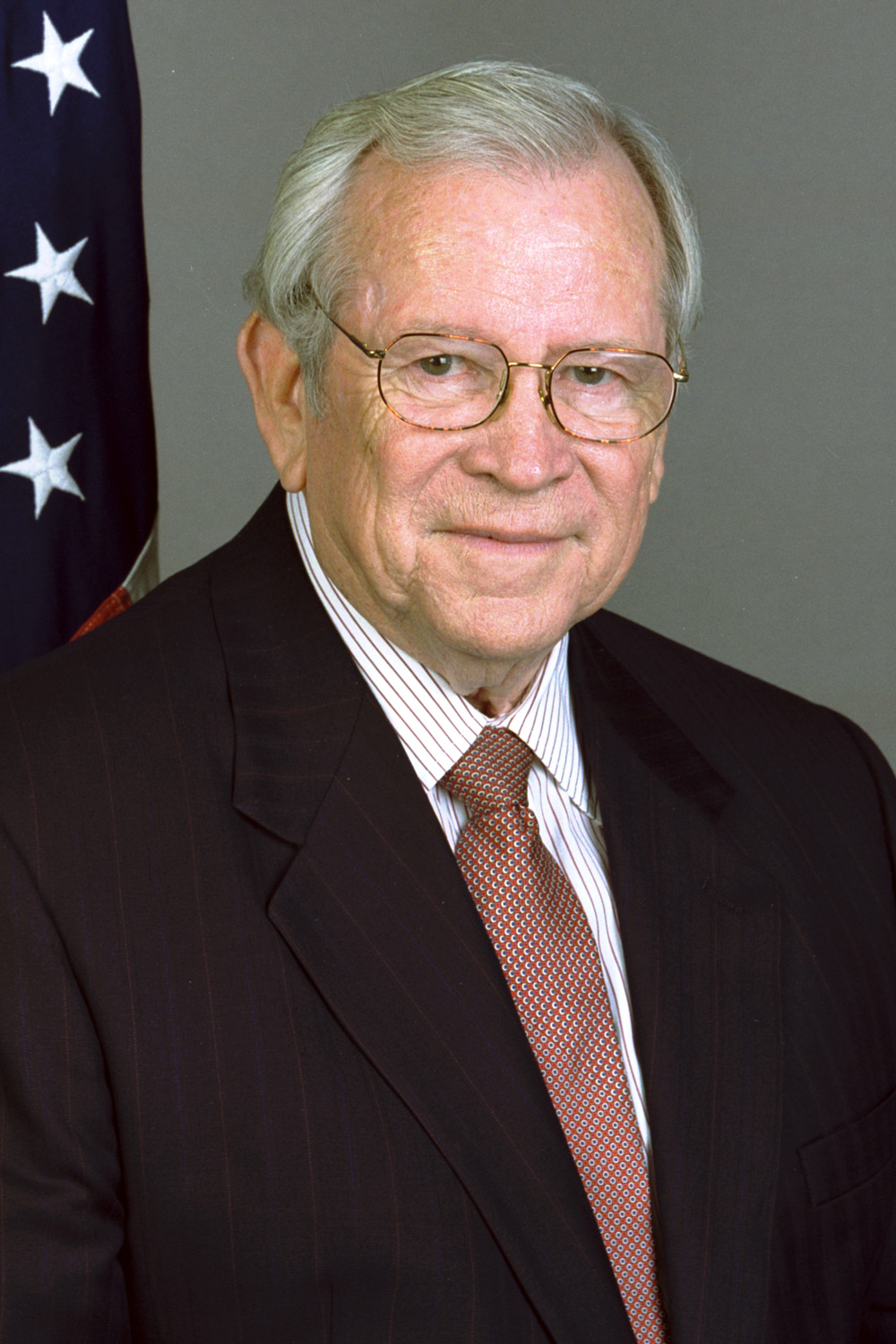
1988 - Douglas Edwards
For his contributions as a World War II correspondent, and his role as anchorman of the first regularly-scheduled daily television news report, Douglas Edwards received the Legion's Distinguished Service Medal in 1988.
The National Executive Committee praised Edwards for his trustworthy journalism, stating that he has "contributed to the high national morale and public awareness as a correspondent during World War II (on CBS Radio), which influenced the conviction and resolve of the citizens of the United States of America to endure to victory."
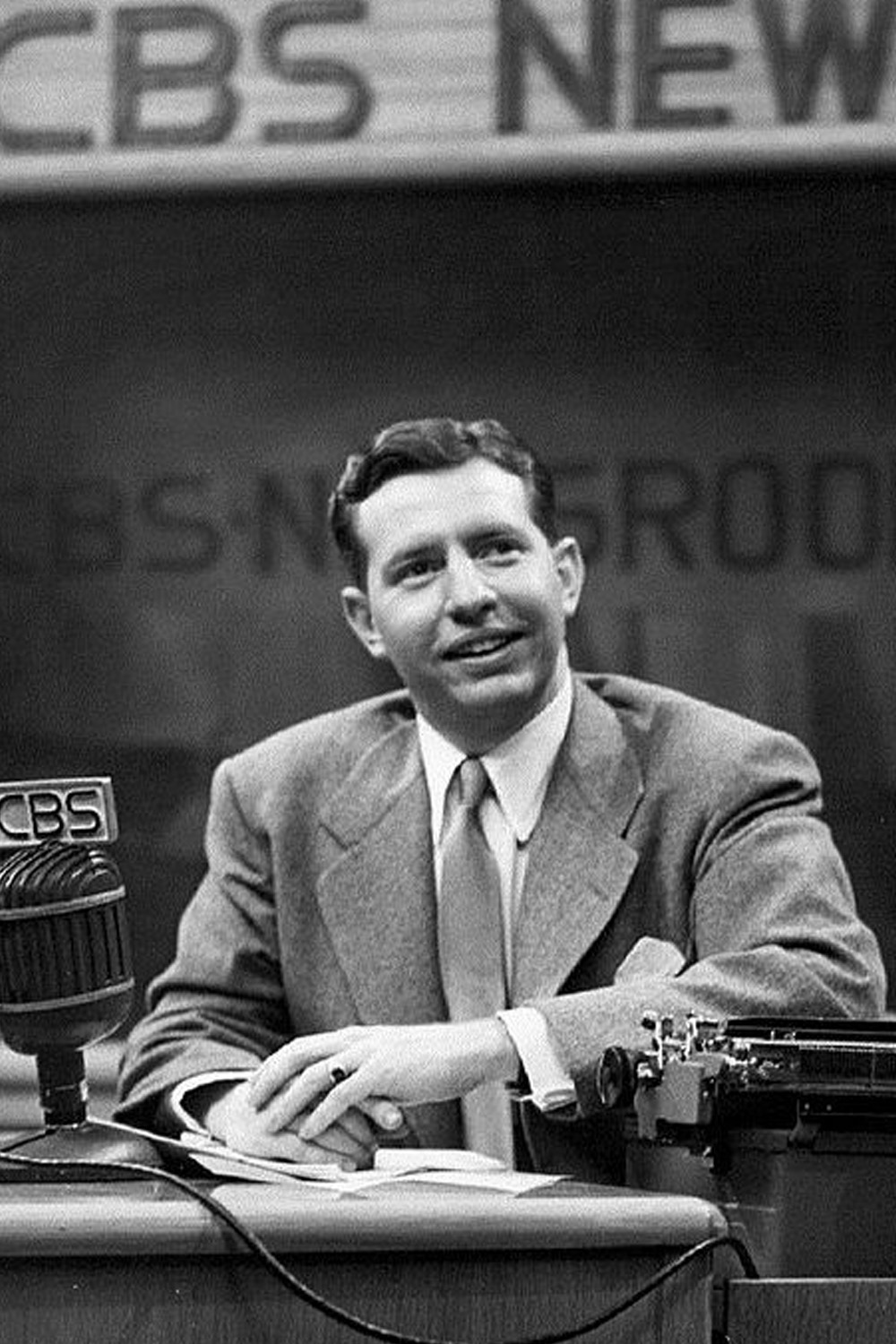
1987 - William H. Webster
At the Legion's Legislative Conference in Washington in 1987, Past National Commander James Dean presented Webster, then CIA director, with the Legion's Distinguished Service Medal.
After serving in World War II as a Navy lieutenant and again in the Korean War, Webster returned home to St. Louis and a private law practice. In time, he entered public service as a U.S. attorney, then became a U.S. district judge and an appellate court judge.
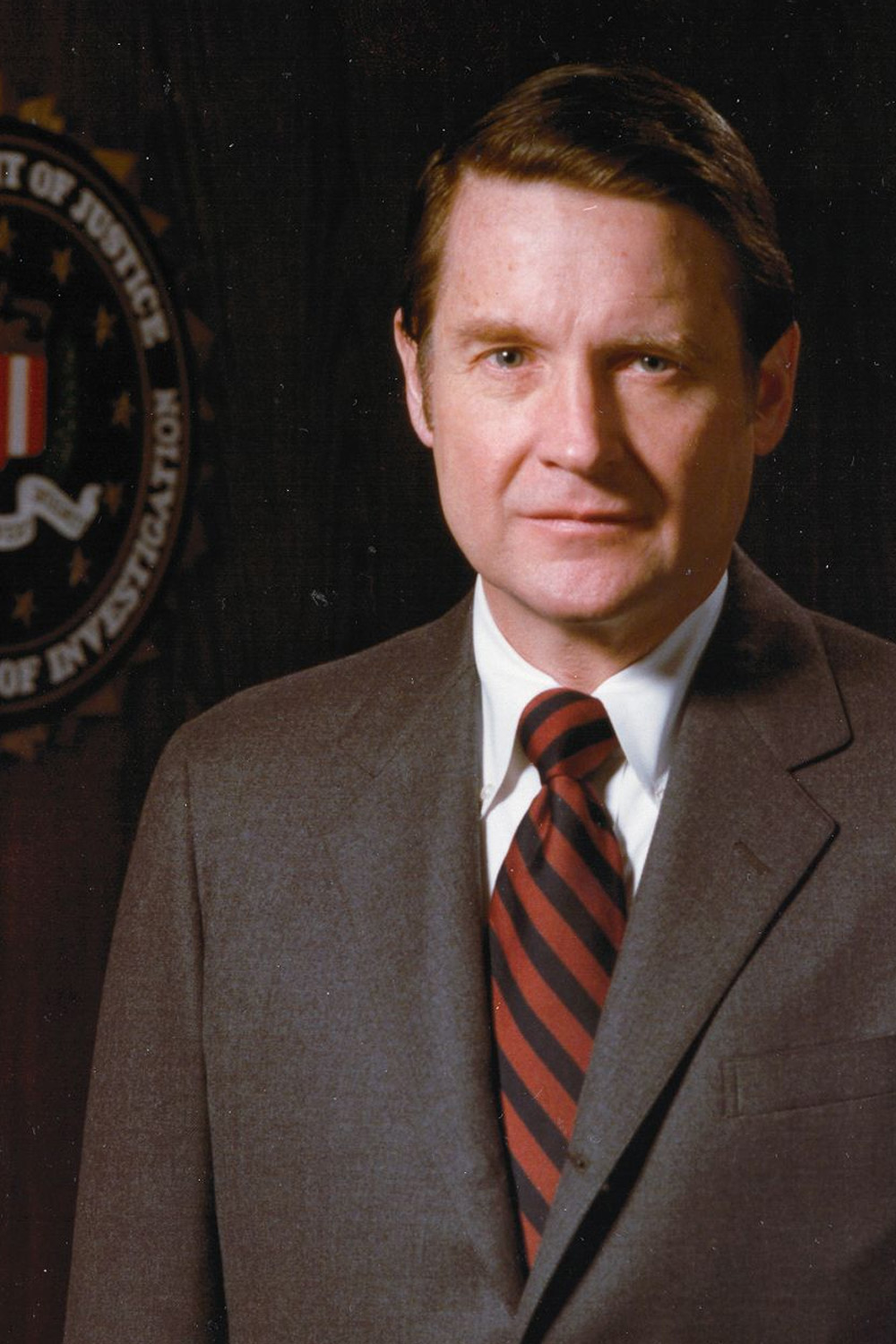
1986 - Caspar W. Weinberger
For his support of a strong national defense, Weinberger, one of the longest-serving Pentagon chiefs, received The American Legion's Distinguished Service Medal in 1985.
"Weinberger has demonstrated many times over the importance of national defense for America by emphasizing the concept of peace through preparedness," National Commander Clarence M. Bacon said. "He has displayed untiring efforts and patriotic devotion in perpetuating American principles."
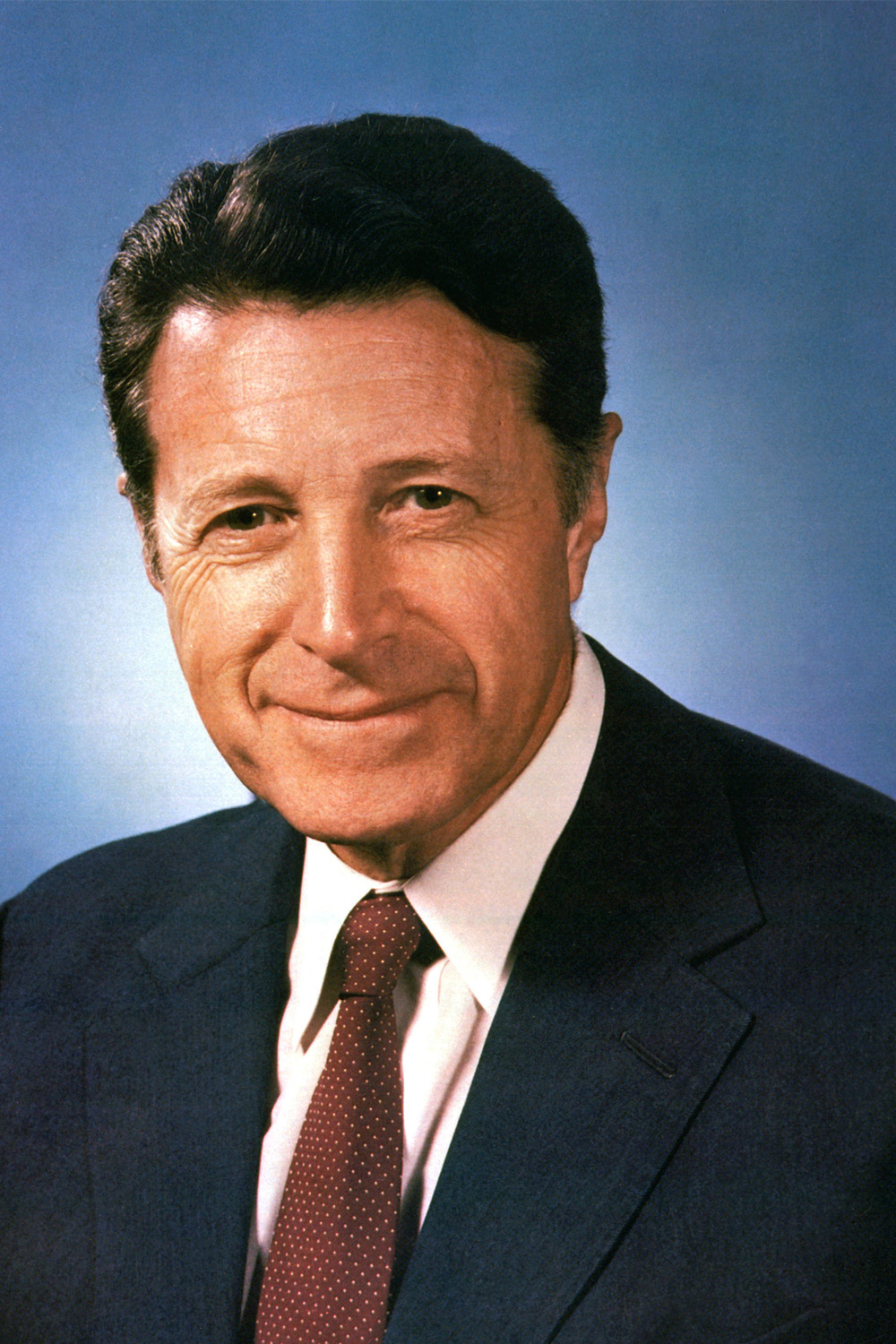
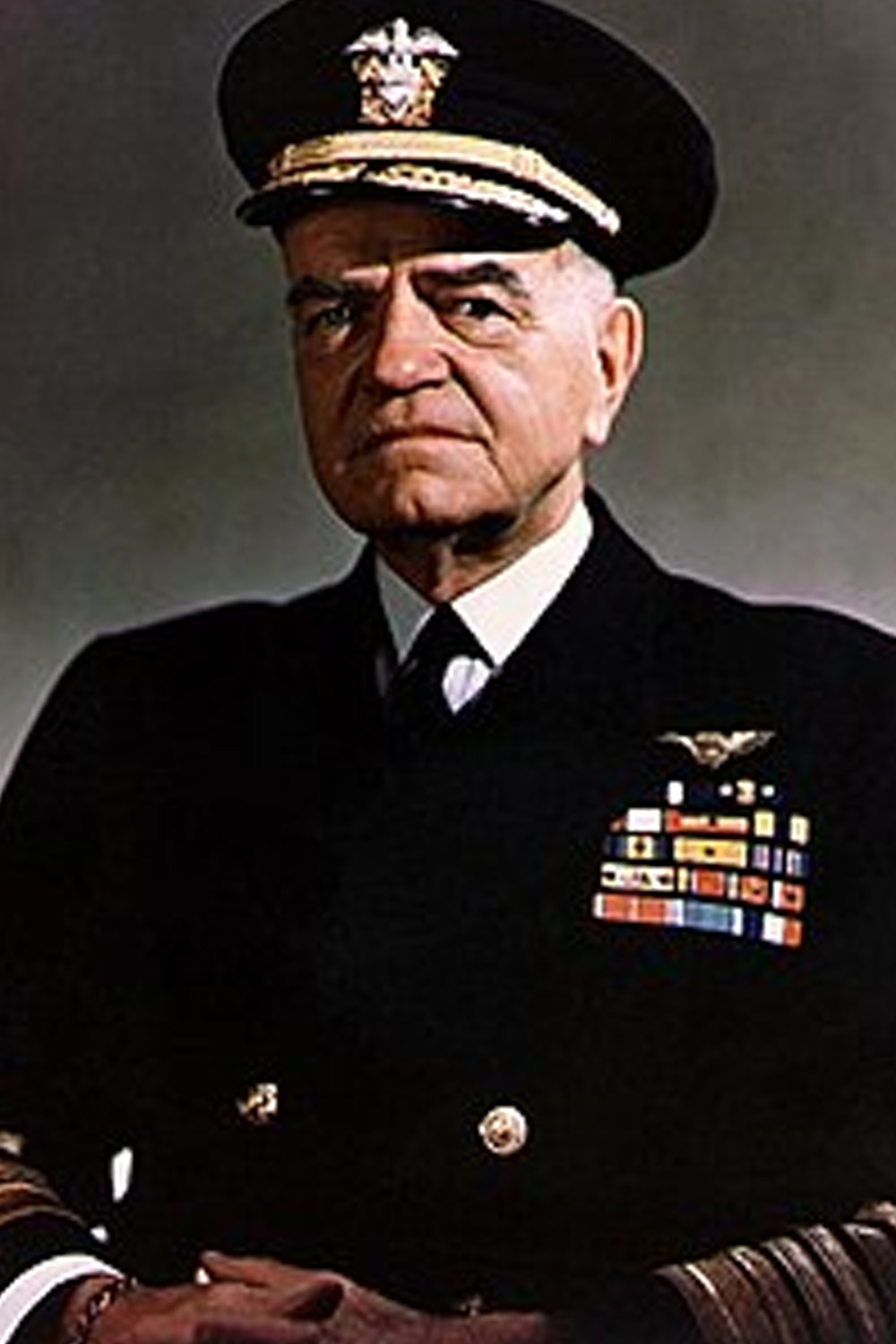
1985 - Fleet Adm. William F. Halsey Jr.
For a 44-year Navy career that spanned both world wars, Halsey was awarded the Legion's Distinguished Service Medal posthumously in 1985.
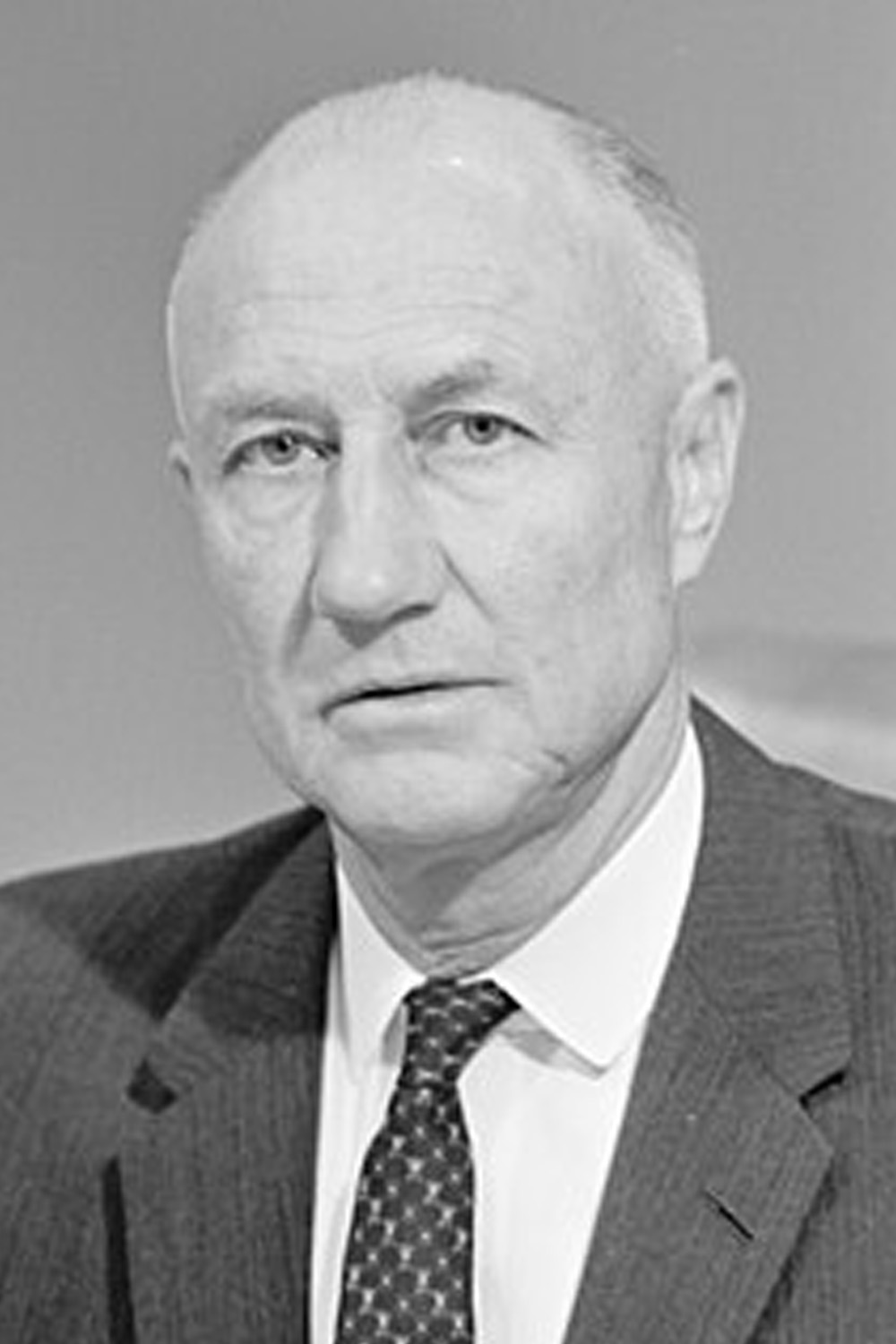
1984 - Sen. J. Strom Thurmond
When Thurmond received the Distinguished Service Medal in 1984, he had already served 29 years in the U.S. Senate. He would go on to serve another 19 years before retiring.
National Commander Keith A. Kreul said the Southern-Democrat-turned-Republican "actively opposed those who would break down our defenses and weaken our liberties."
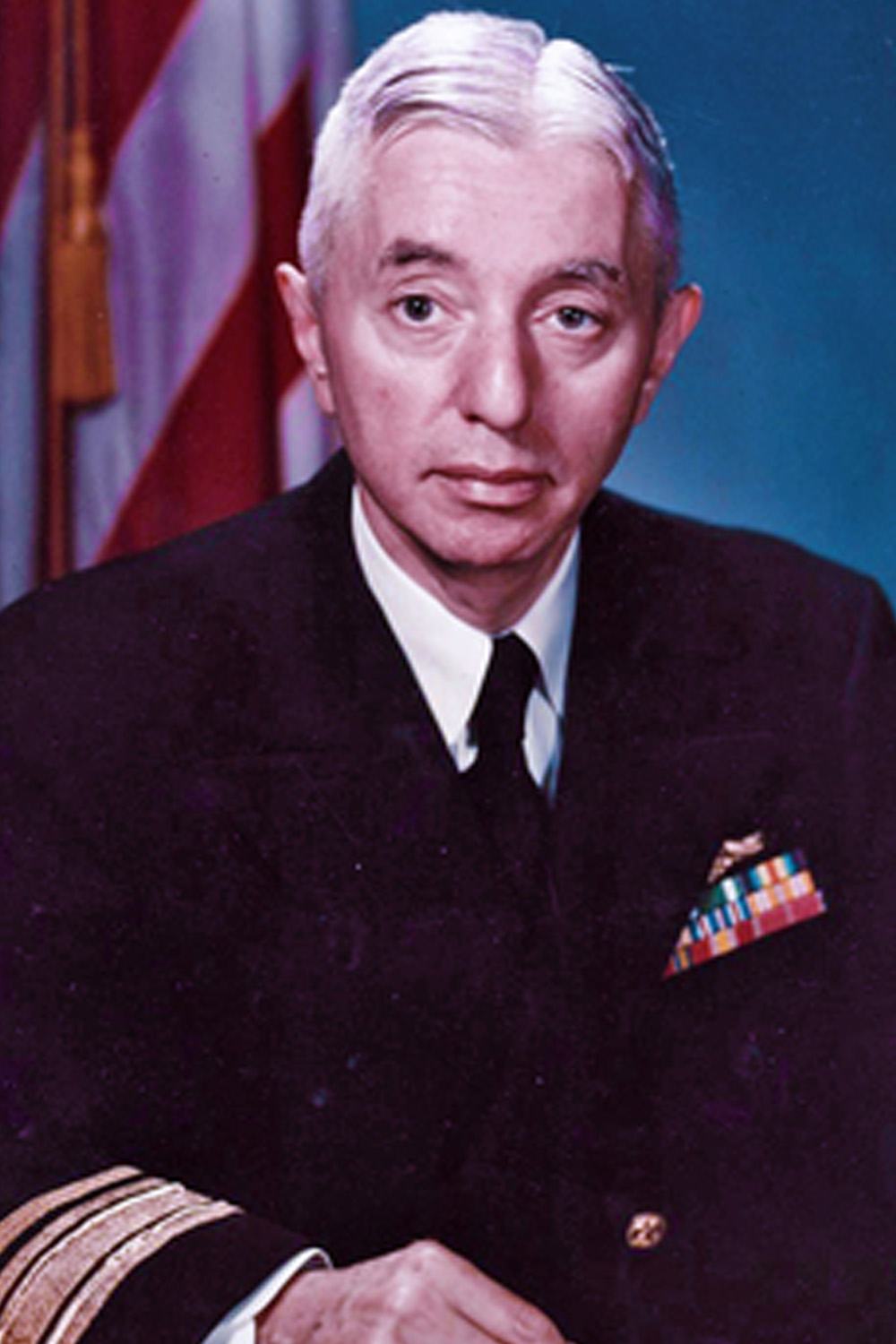
1983 - Adm. Hyman C. Rickover
One of a small number of veterans who served the nation in four 20th-centurywars, Rickover "attained for this country pre-eminence in the field of Navy nuclear power," said National Commander Al Keller, presenting the admiral with the Legion's Distinguished Service Medal in 1983. "Through (his) dynamic leadership and professional competence, our nation's capability to deter aggression has vastly improved and, through its service to the citizens of this great land, he has embodied the truest principles of patriotism."
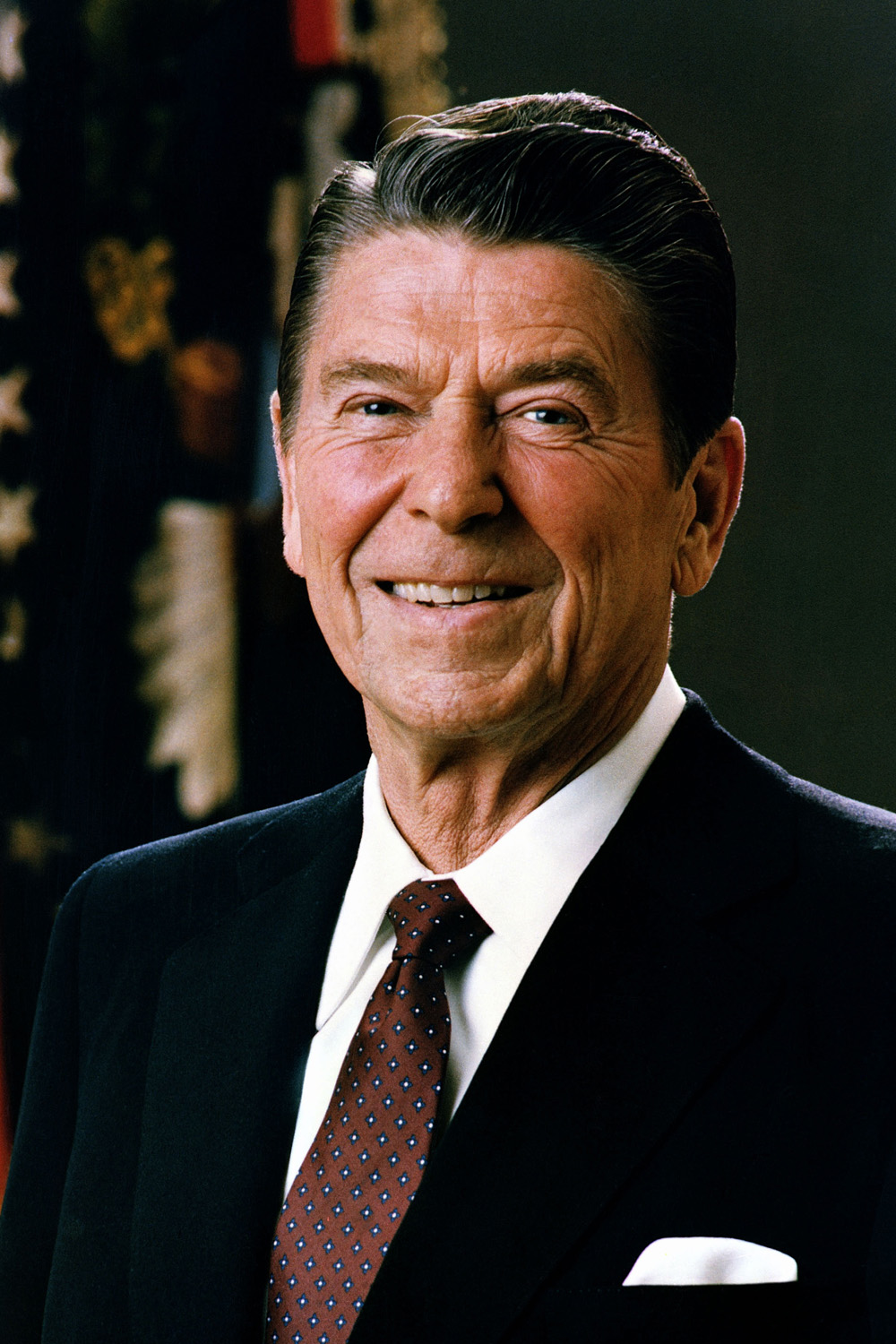
1982 - President Ronald W. Reagan
For making national defense his highest priority, Reagan received the Legion's Distinguished Service Medal in 1982.
As commander in chief, Reagan has "prioritized the defense of the (United States) by embracing the concept of peace through preparedness, has displayed untiring efforts and patriotic devotion in perpetuating American principles, and has fostered the renewed spirit of volunteerism in America, which is in keeping with the highest traditions of The American Legion," the National Executive Committee stated.
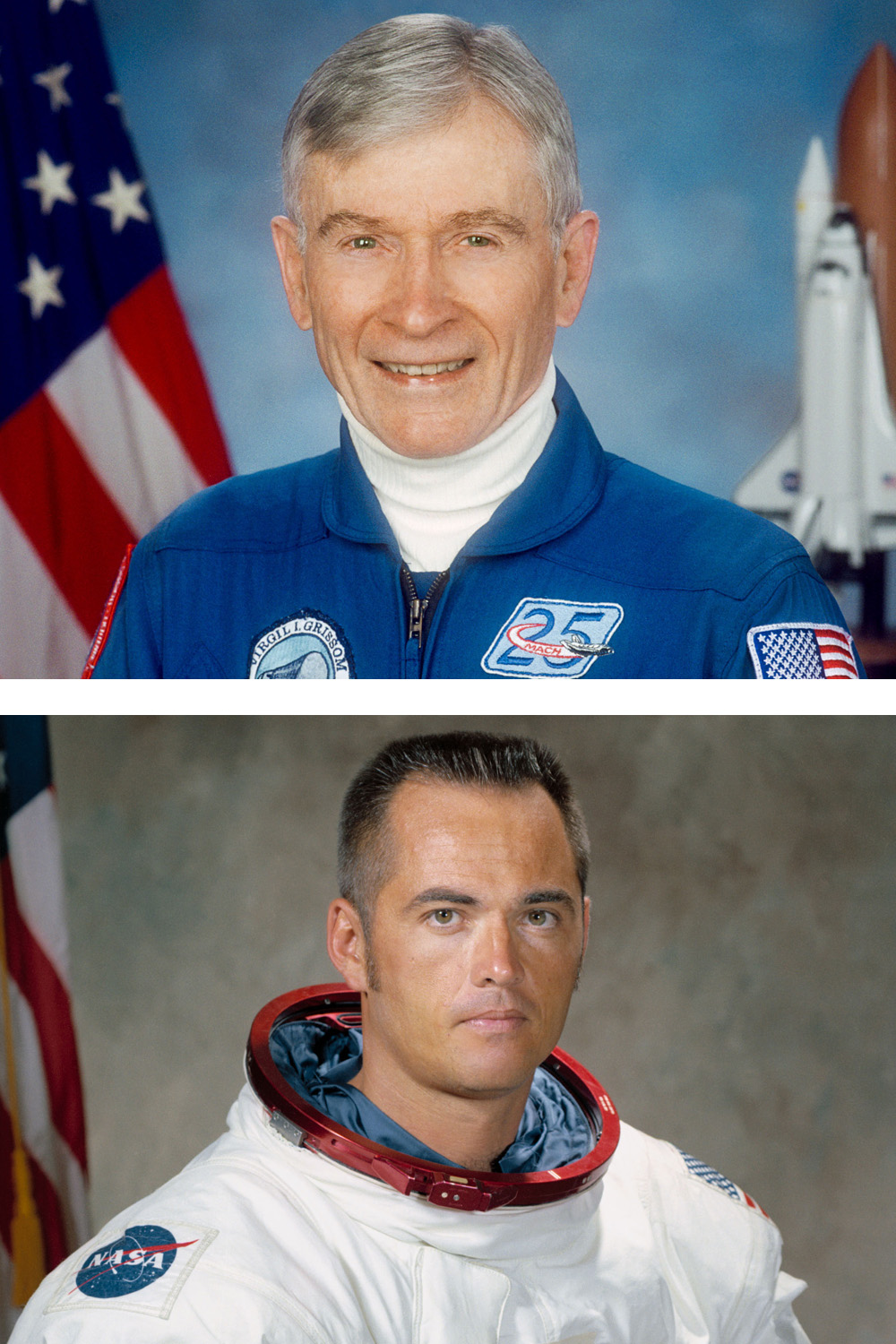
1981 - American Space Shuttle Astronauts John Young and Robert Crippen
Recognizing the first crew of the space shuttle Columbia, the Legion presented its Distinguished Service Medal to Young and Crippen in 1981.
Though they could not attend the Legion's national convention because they were busy preparing Columbia's second crew for an October mission, fellow astronaut Karol J. Bobko told Legionnaires, "I believe these times of voyage into the space of our solar system will be viewed by future generations in the same way as we today view the voyages of the European explorers of the 16th and 17th centuries."
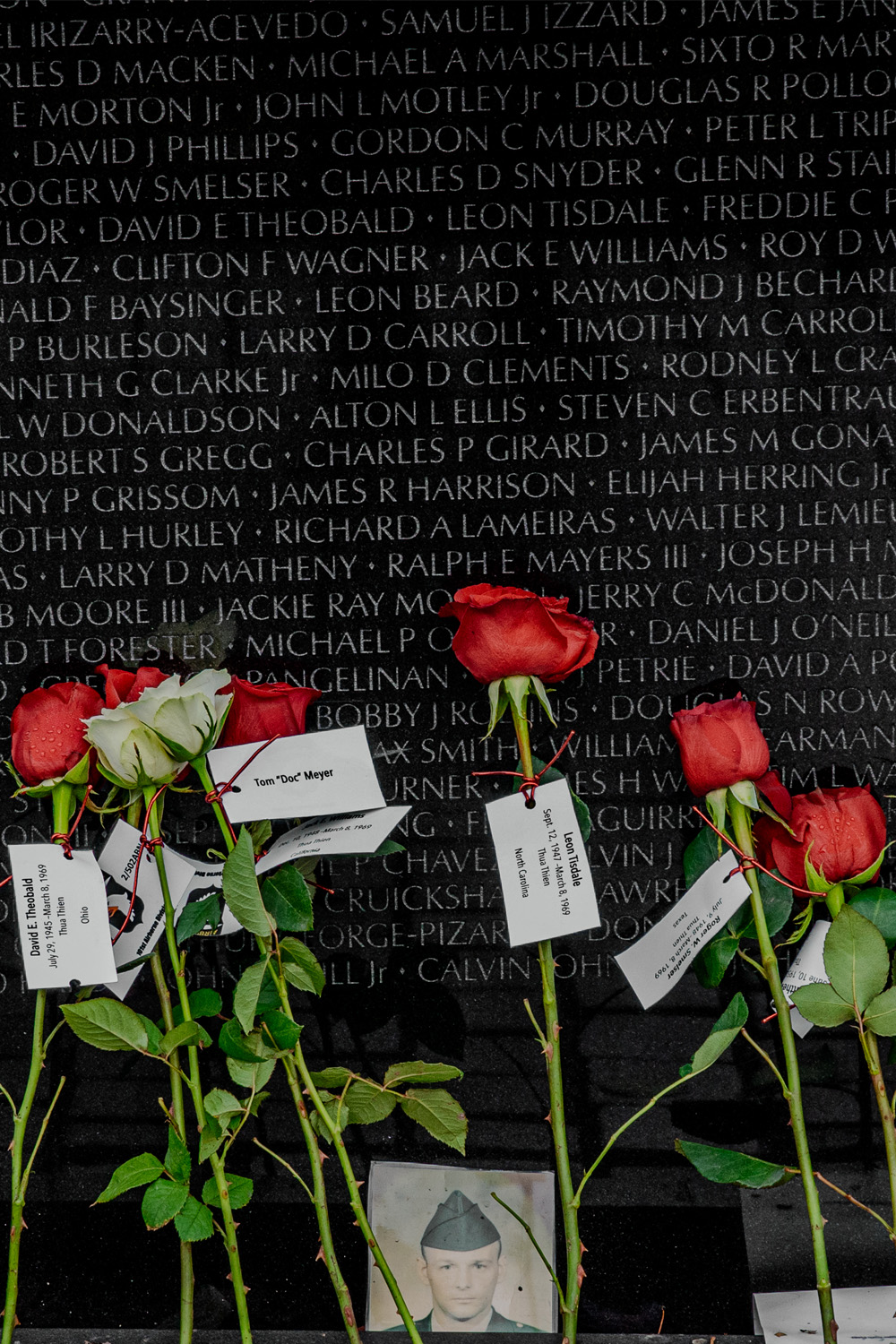
1980 - Dead and Missing of the Vietnam War
In 1980, The American Legion awarded its Distinguished Service Medal to the dead and missing of the Vietnam War. Numbering more than 58,000, these Americans were honored posthumously with the medal, just as the unknown servicemembers of World War I, World War II and the Korean War were honored by the Legion in 1958.
Following a presidential commemoration of Vietnam casualties at Arlington National Cemetery, the National Executive Committee resolved that The American Legion would not forget those who died or remain missing in Vietnam.
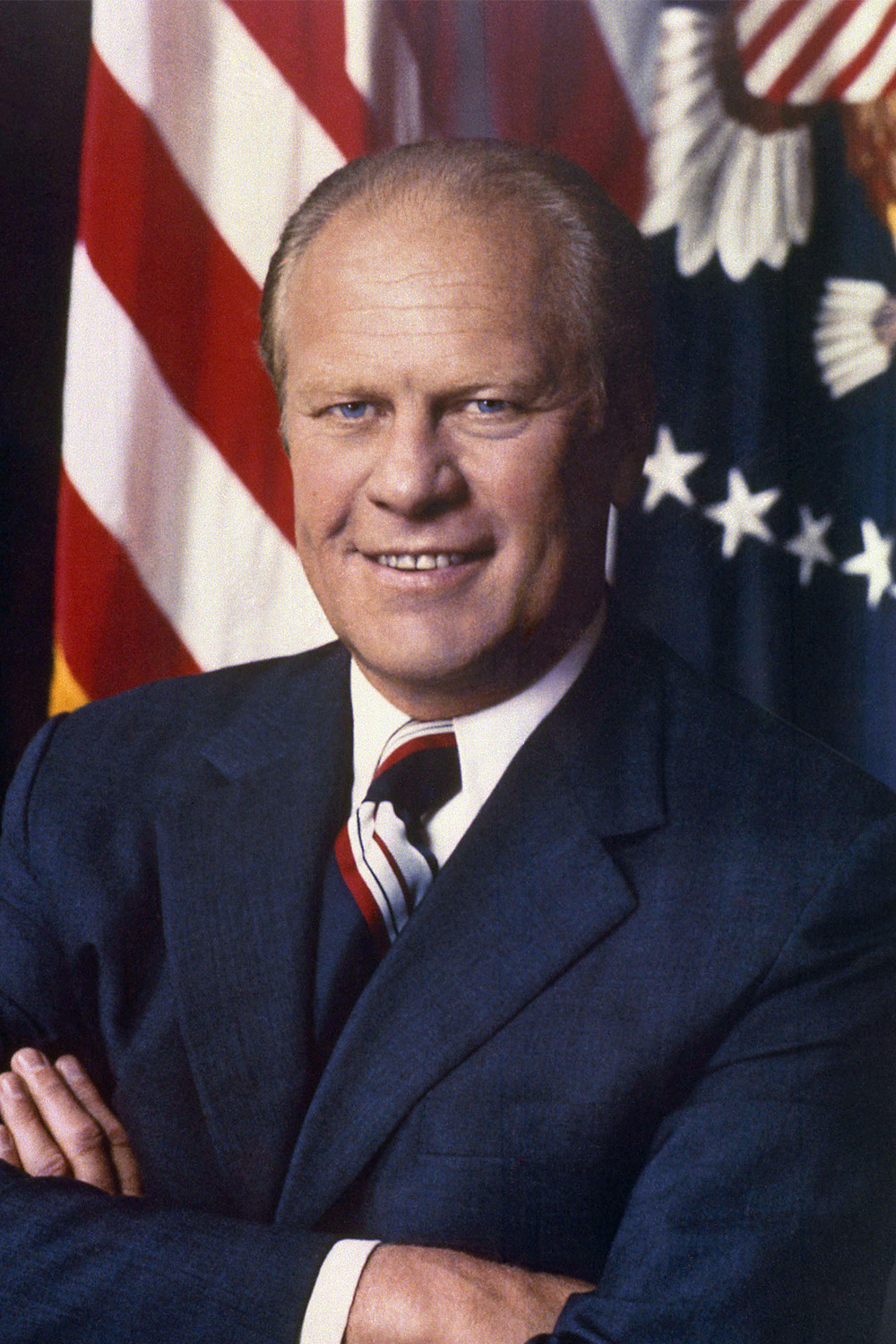
1980 - President Gerald R. Ford
A World War II Navy veteran and the nation's only non-elected vice president and president, Ford received the Legion's Distinguished Service Medal in 1980.
Following Spiro Agnew's resignation in 1973, Ford was appointed vice president. He served just 10 months before President Nixon resigned, and he became the 38th president, leading the nation through the troubled post-Watergate years. Upon taking office, Ford told the nation, "I assume the presidency under extraordinary circumstances ... This is an hour of history that troubles our minds and hurts our hearts."
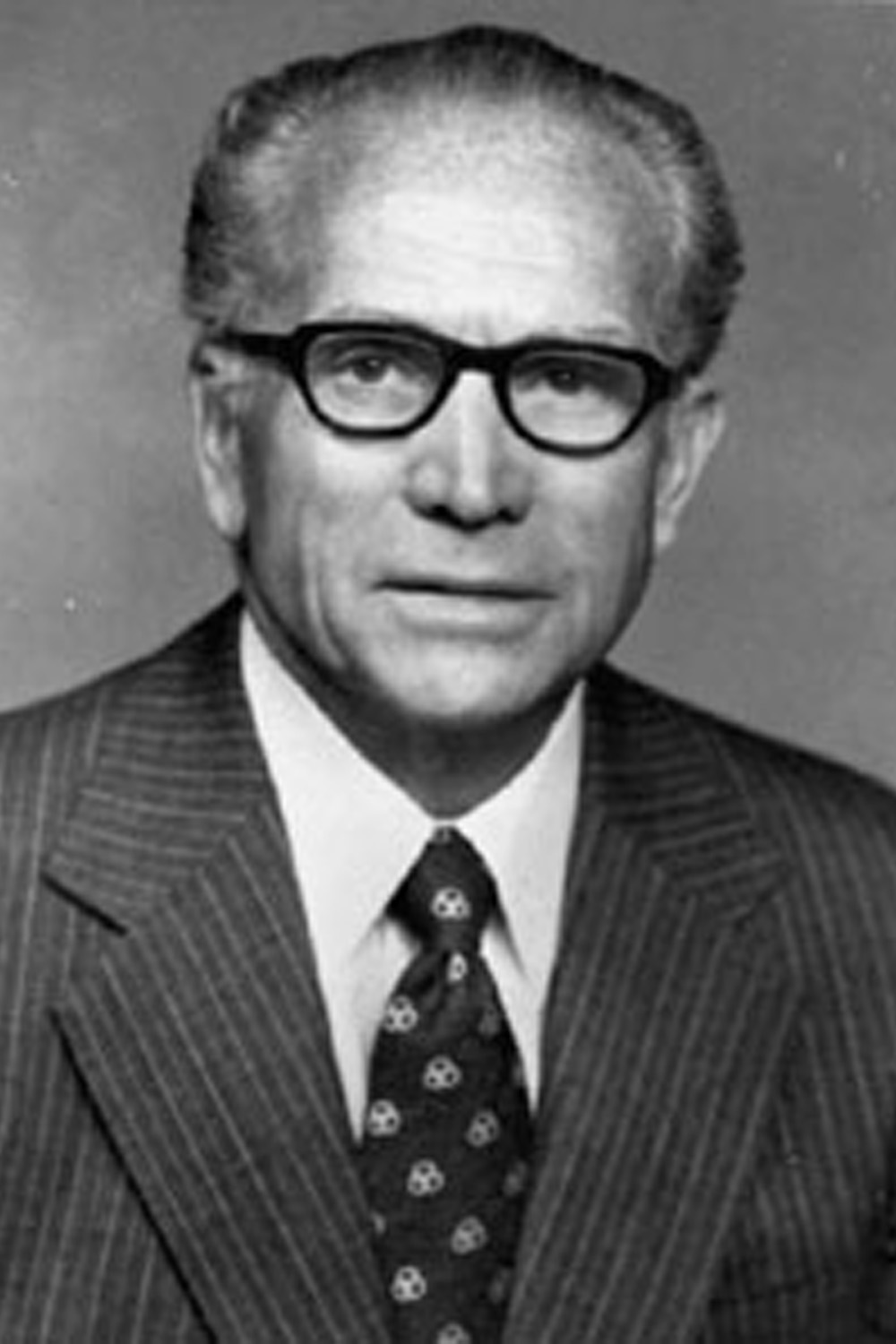
1979 - Thomas A. Murphy
For his contributions to the U.S. economy and his support of veterans, Murphy received the Legion's Distinguished Service Medal in 1979.
1978 - Bowie K. Kuhn
For his dedication to the great American pastime and his support for American Legion Baseball, Major League Baseball Commissioner Bowie K. Kuhn received the Distinguished Service Medal in 1978.
Presenting the honor, National Commander Robert C. Smith said Kuhn's recognition of American Legion Baseball and its contributions to the sport "span his career as a representative of the National League and his term as commissioner."
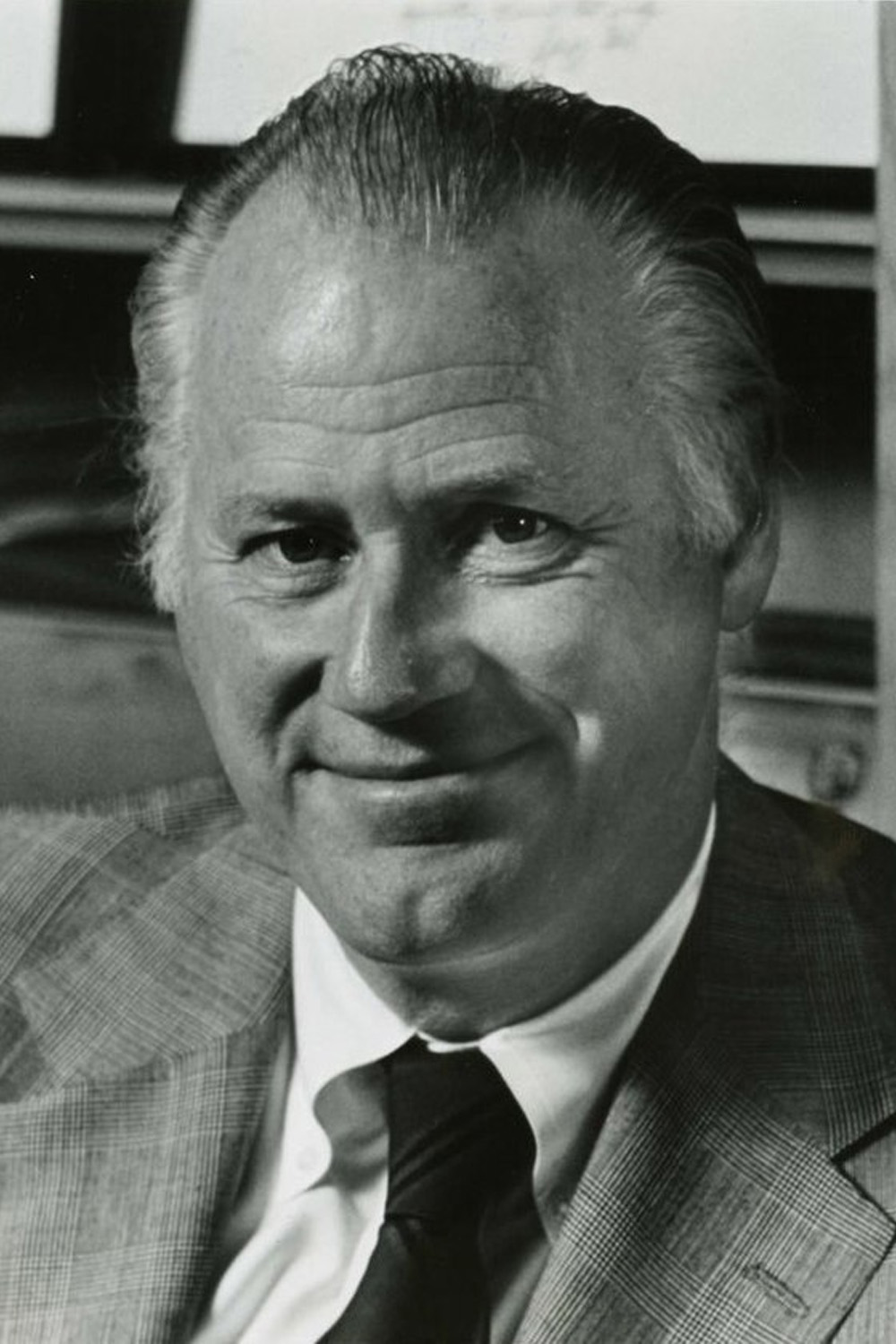
1977 - Dr. Howard A. Rusk
In 1977, Rusk received the Legion's Distinguished Service Medal for pioneering rehabilitative medicine as wounded World War II veterans returned home with physical challenges.
National Commander William Rogers praised the doctor for crusading "to alleviate the suffering of the handicapped throughout the world." Rusk headed the internationally known Institute of Rehabilitation Medicine of New York University Medical Center, served as been president and chairman of the board of the American-Korean Foundation since 1953, and was a member of the Legion's Medical Advisory Board.
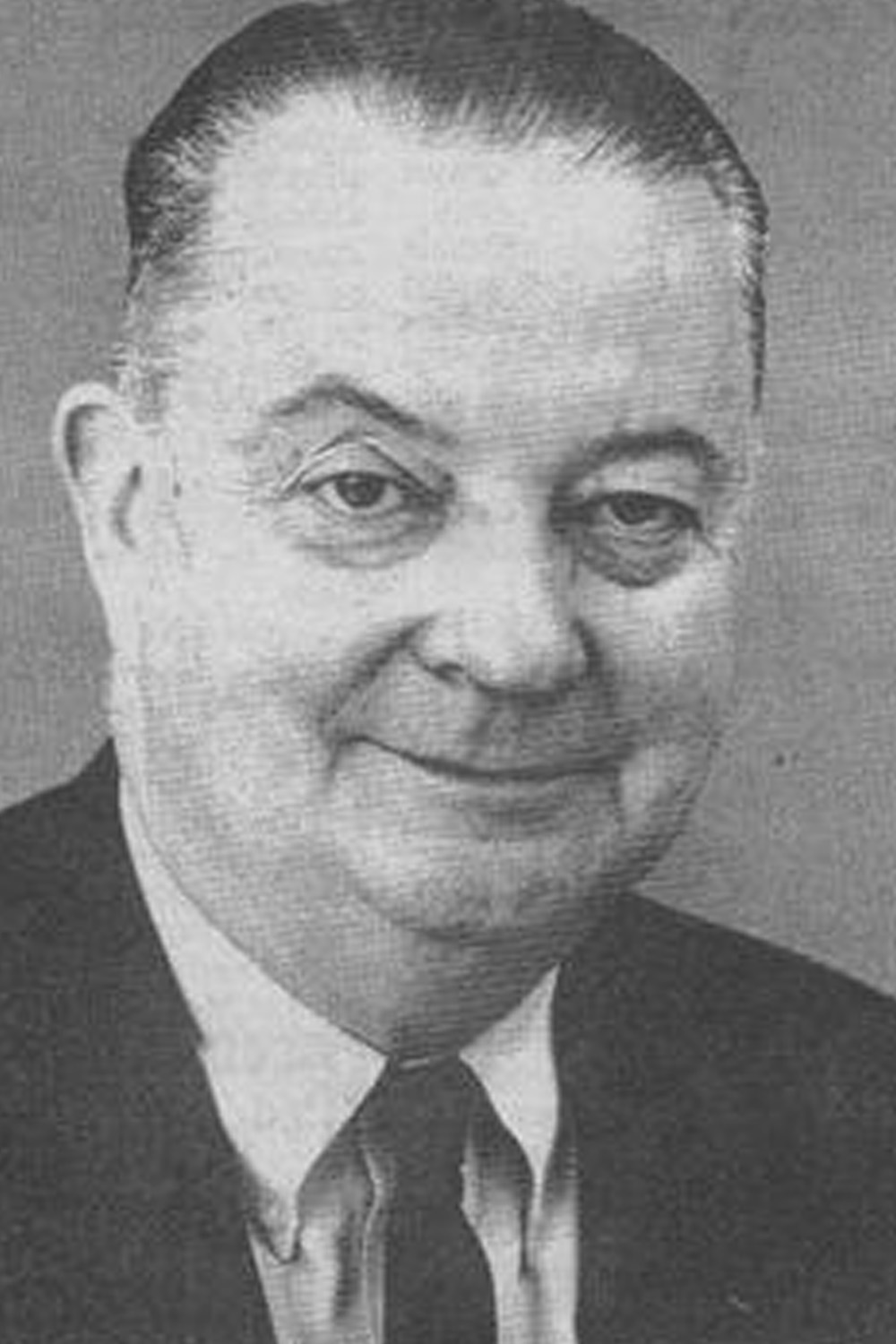
1976 - Pat O'Brien
For providing quality family entertainment and serving his country during World War I, O'Brien received the Legion's Distinguished Service Medal in 1976.
Accustomed to the spotlight, O'Brien, a Navy veteran, was nevertheless humble when accepting the award. "The pride in all of our hearts as Legionnaires is something that is beyond description in words," he said. "I have been a Legionnaire since 1927. That's practically 50 years."
1975 - Harry W. Colmery
Considered the principal architect of the GI Bill, Colmery was the first past national commander to earn the Legion's Distinguished Service Medal in 1975.
"No one deserves it more," National Commander James M. Wagonseller said. "All veterans of World War II owe him a debt of gratitude."
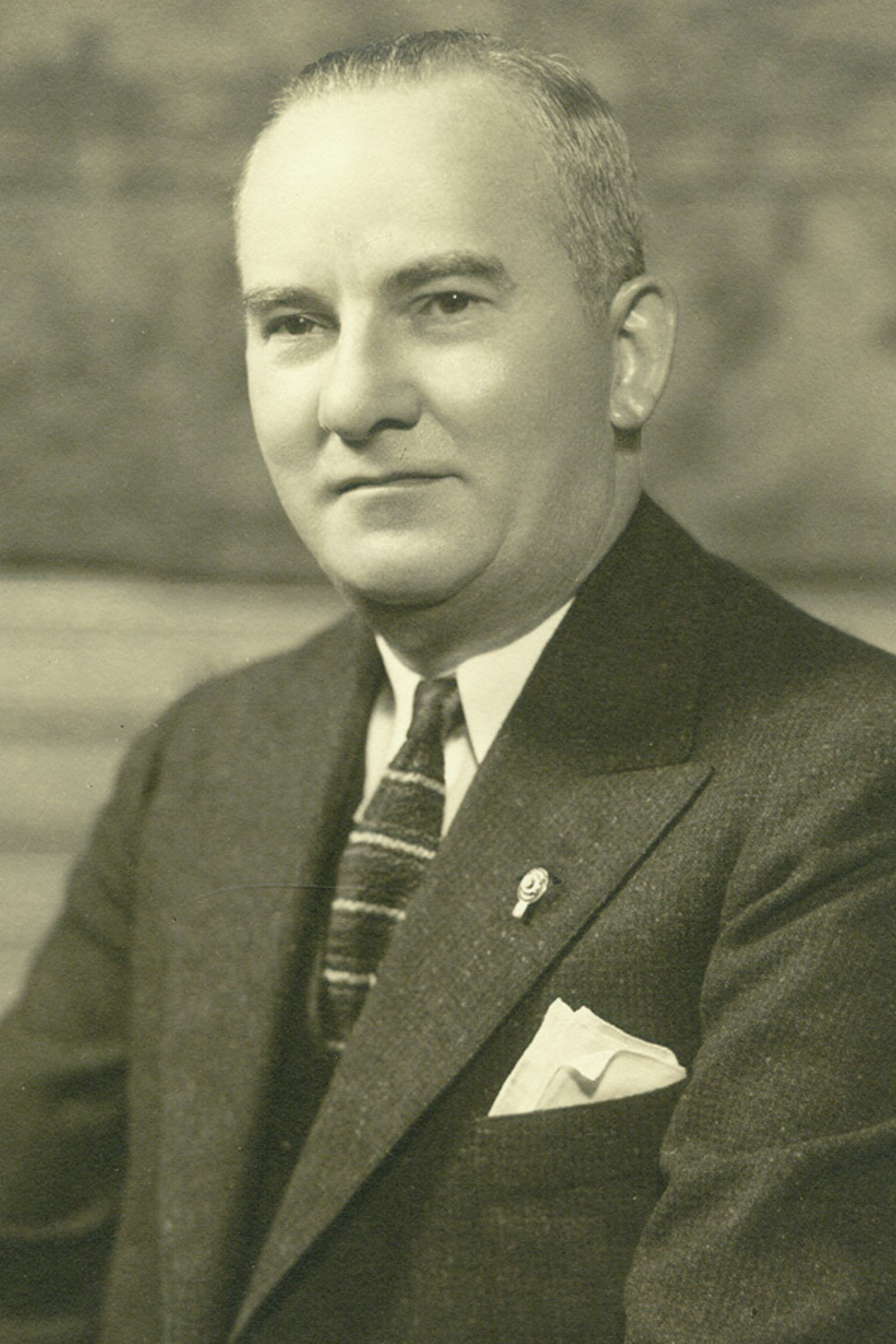
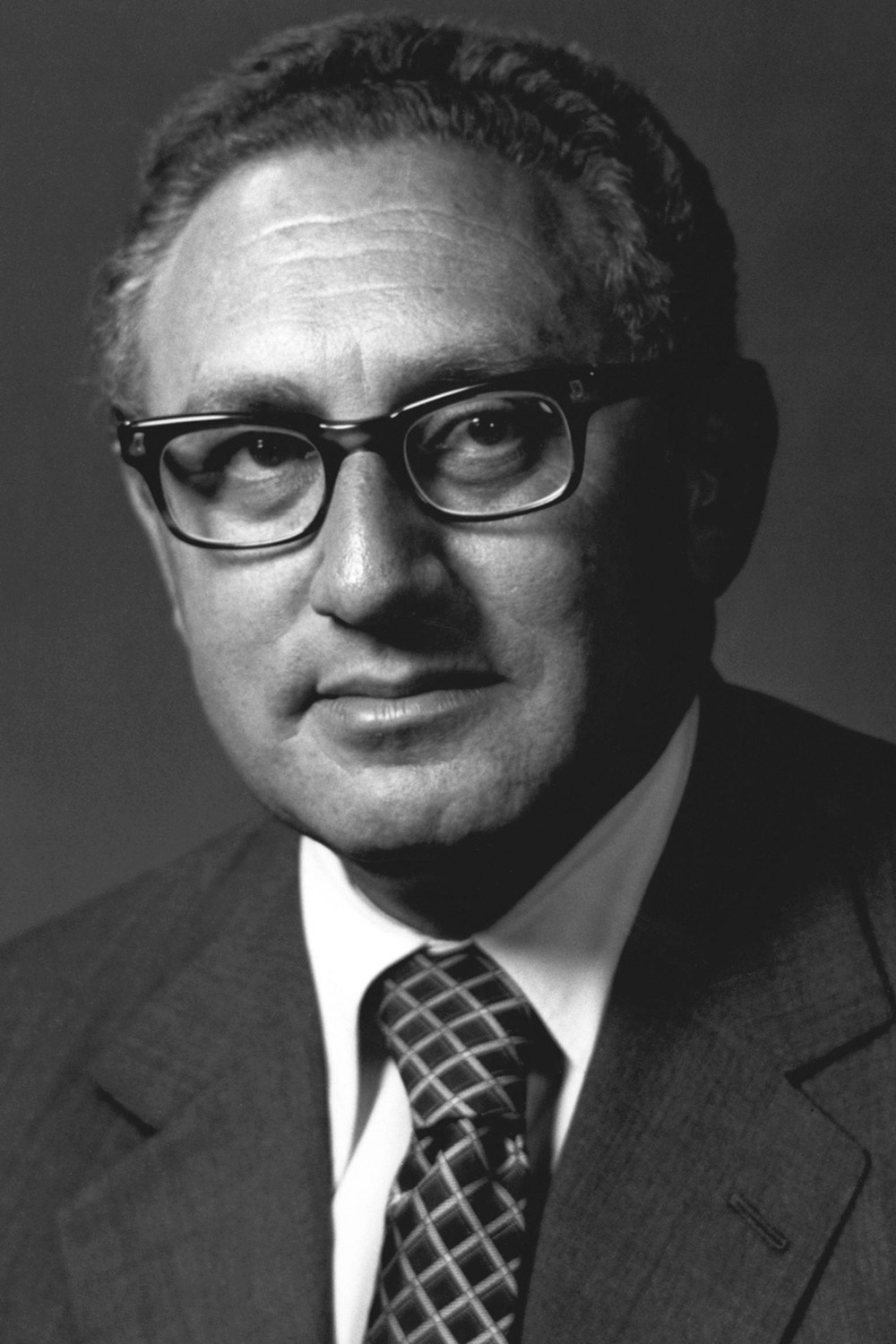
1974 - Henry A. Kissinger
A year after he received the Nobel Peace Prize, Kissinger received The American Legion's Distinguished Service Medal.
1974 - Rep. F. Edward Hebert
The American Legion presented Hebert, chairman of the House Armed Services Committee, with the Distinguished Service Medal in 1974.
National Commander Robert Edward Lee Eaton praised Hebert for waging a "courageous campaign against elements of corruption within his home state" as a New Orleans Times-Picayune journalist. And as a member of Congress, "he has tried constantly for the elements of strength to the nation's defense and actively supported needed improvement in the veterans benefit programs," Eaton said.
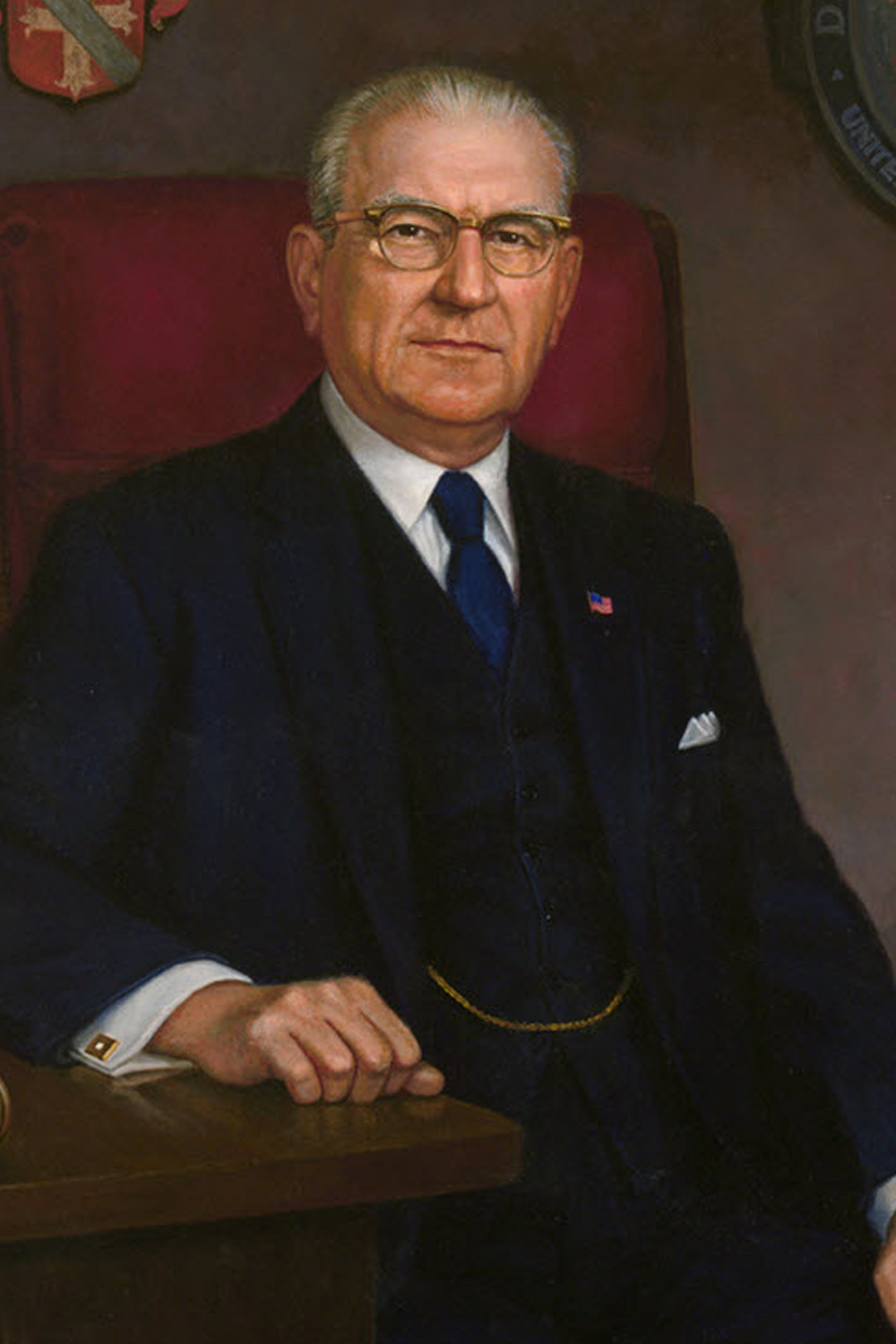
1972 - DeWitt Wallace
Recovering in a French hospital from war injuries, Wallace had plenty of time on his hands, conceiving a host of ideas that evolved into the world-famous Reader's Digest. More than 50 years later, The American Legion awarded him the Distinguished Service Medal.
Chock full of a wide variety of articles, including stories from The American Legion Magazine, Wallace's publication became a household name, motivating people "to heighten their art of living and to improve themselves mentally, materially and spiritually," National Commander John H. Geiger said.
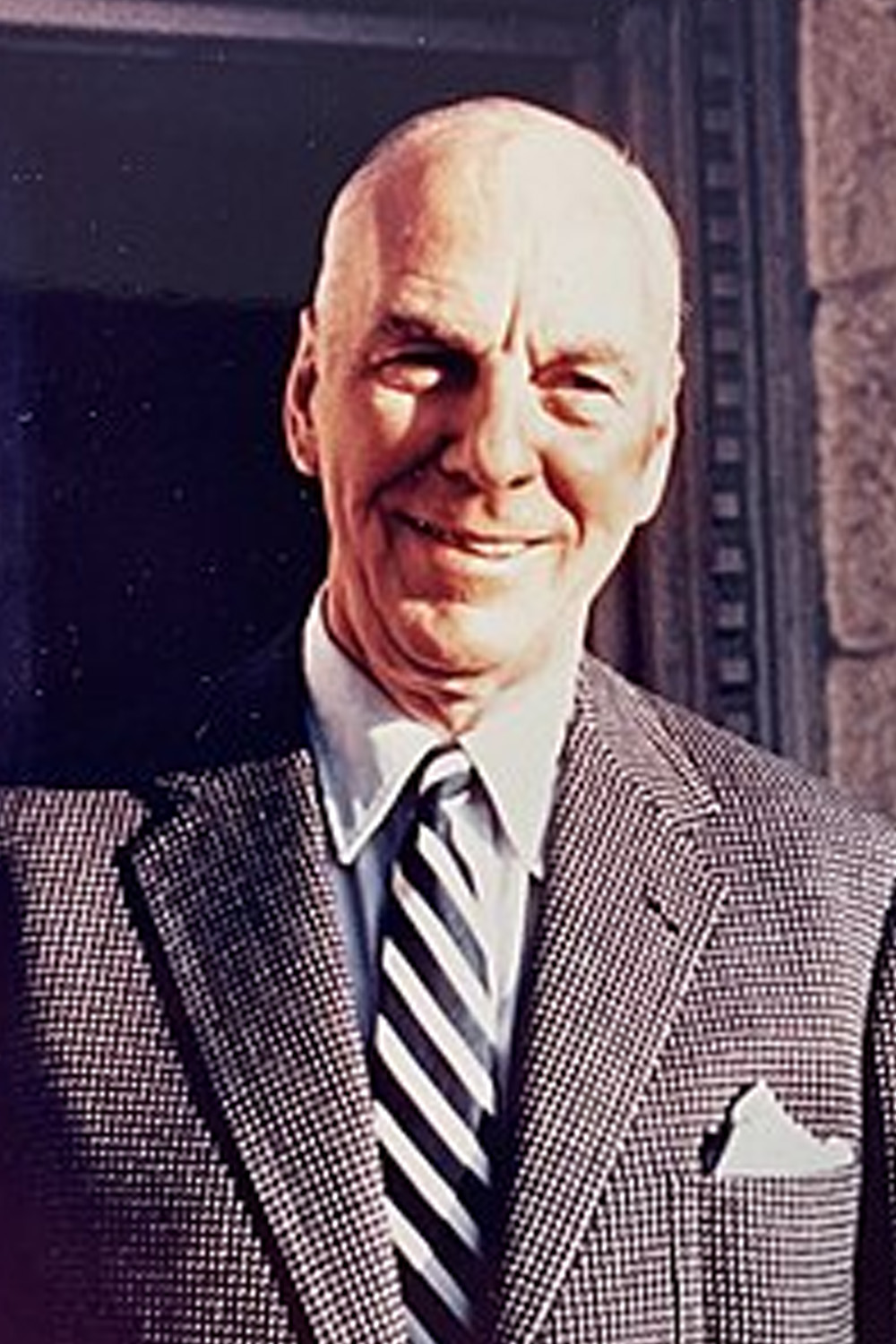
1972 - Sen. John C. Stennis
His support of a strong foreign policy and military preparedness earned Stennis the Legion's Distinguished Service Medal in 1972.
National Commander John H. Geiger said the senator "vigorously opposed those who would break down our defenses and weaken our liberties."
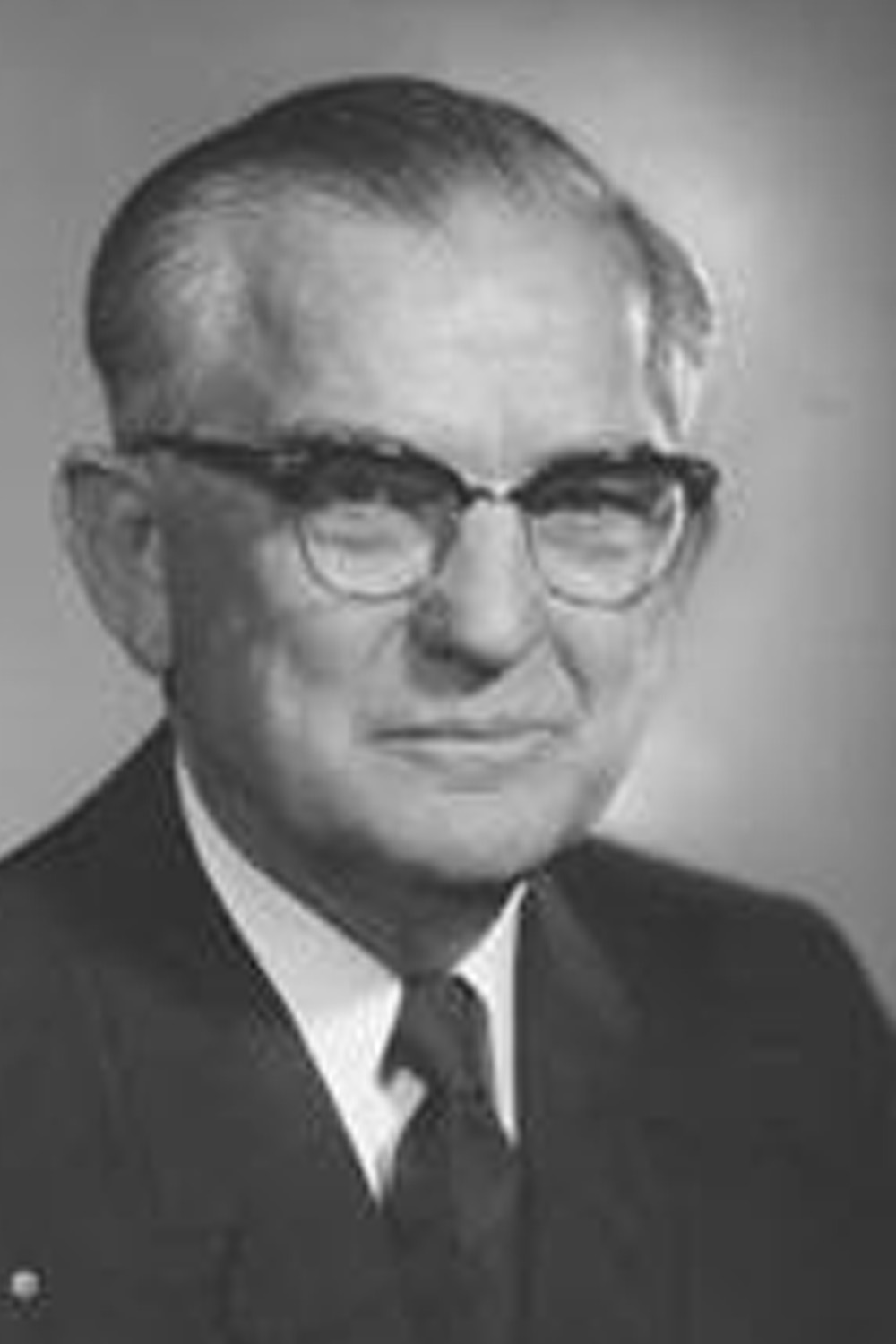
1971 - Rep. L. Mendel Rivers
For "a lifetime devoted to public service and dedicated to the complete security of our country, not only through his vigorous support of our armed forces ... but in upholding the ideals upon which our great nation was founded," National Commander Alfred P. Chamie awarded Rivers the Distinguished Service Medal posthumously in 1971.
Accepting the award on behalf of his father, L. Mendel Rivers Jr. called The American Legion the "guardian of something very precious in America, willing to stand up and proclaim that this land is all we have, and that it's worth worrying about."
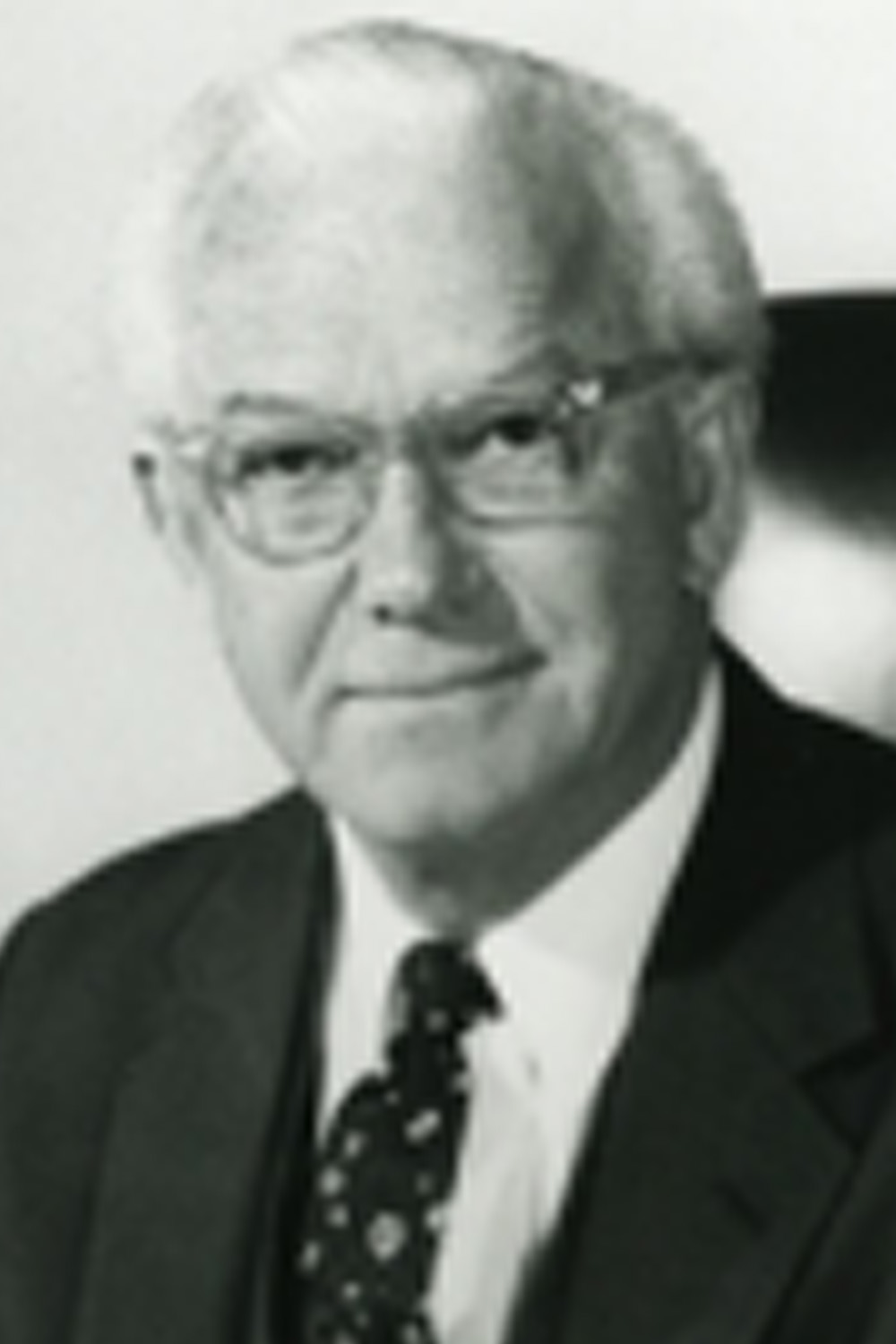
1971 - Sen. Richard B. Russell
For years of supporting The American Legion, both as a Legionnaire and as chairman of the Senate Armed Services Committee, Russell received the Distinguished Service Medal posthumously in 1971.
"His lifetime of public service was dedicated to the preservation of our American heritage, of our agricultural resources, and of the welfare of millions of schoolchildren," National Commander Alfred P. Chamie said. "His abiding concern ... was our nation's military preparedness, which has always been a major concern of The American Legion."
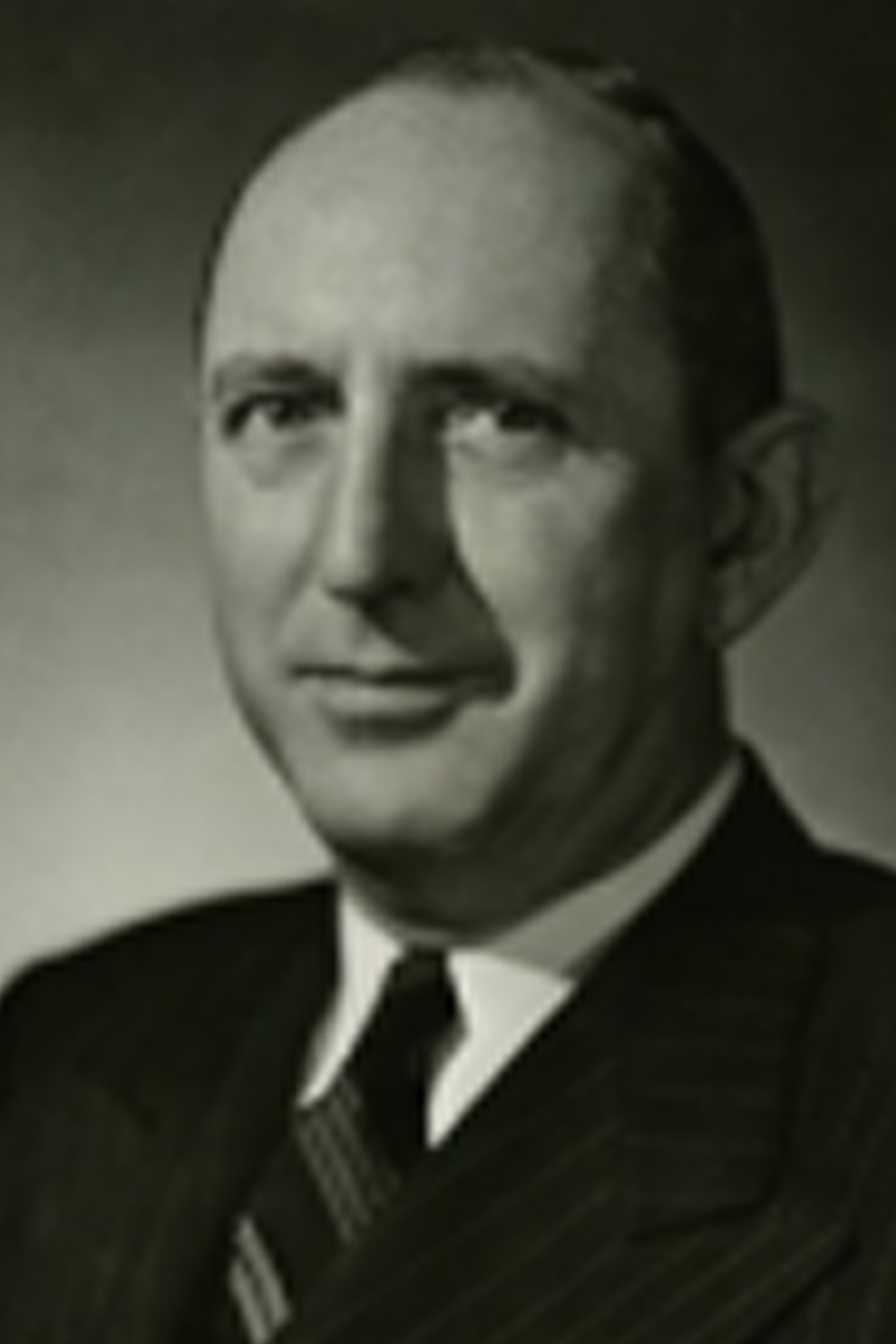
1970 - Rep. Olin E. Teague
As a longtime chairman of the House Veterans Affairs Committee, Teague took pride in looking out for the welfare of veterans and their families, including their educations. For his work, Legionnaires presented him with the Distinguished Service Medal in 1970.
The congressman from Texas accepted the honor from National Commander J. Milton Patrick, who said Teague had helped "bring equity and justice to the Veterans Benefits Program."
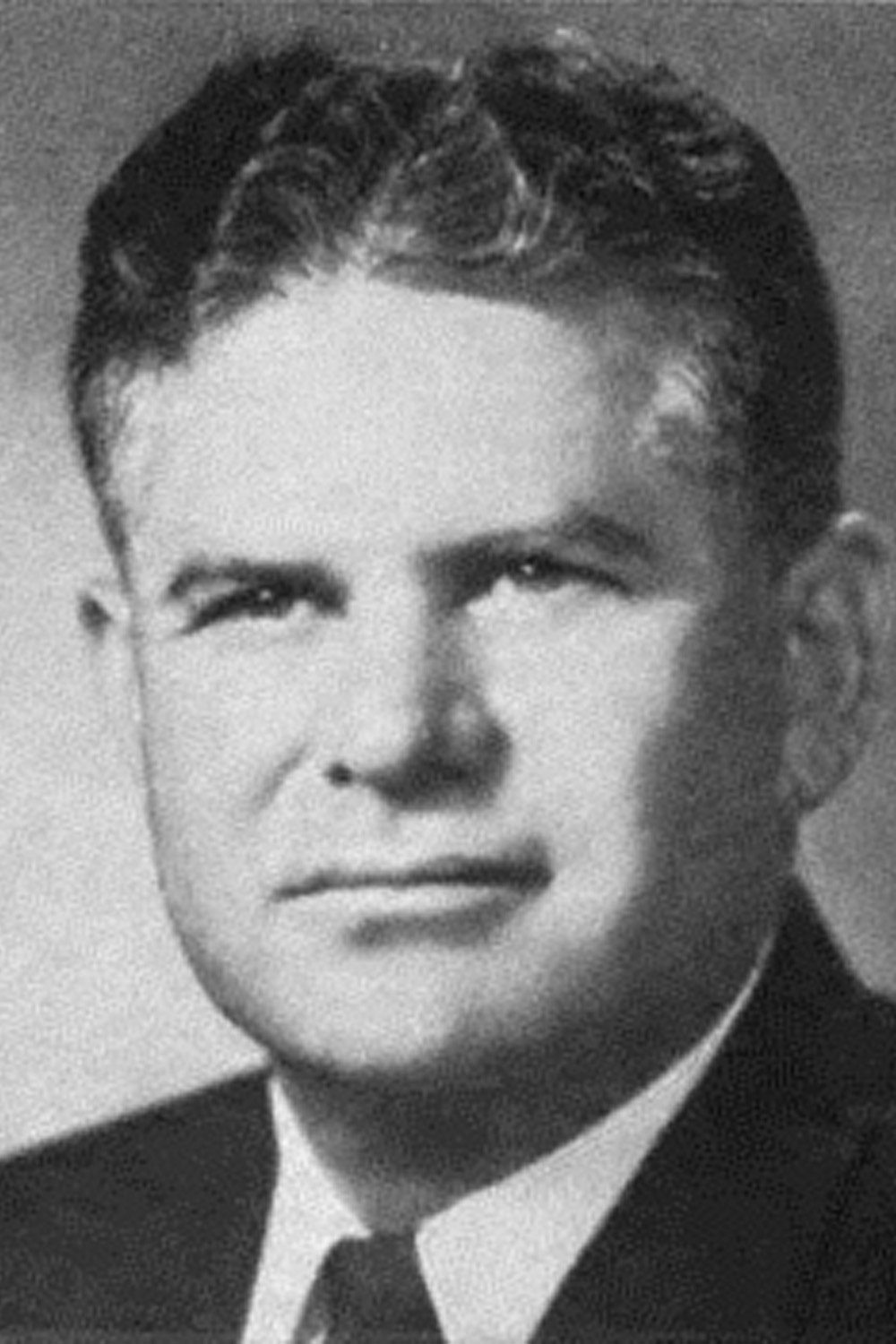
1969 - President Richard M. Nixon
For his military and elective service to his country, Nixon marked his first year in the White House by receiving The American Legion's Distinguished Service Medal in 1969.
The National Executive Committee said the president "has served our nation with dignity, honor and courage, in both military and civilian life, and in both the legislative and executive branches of government."
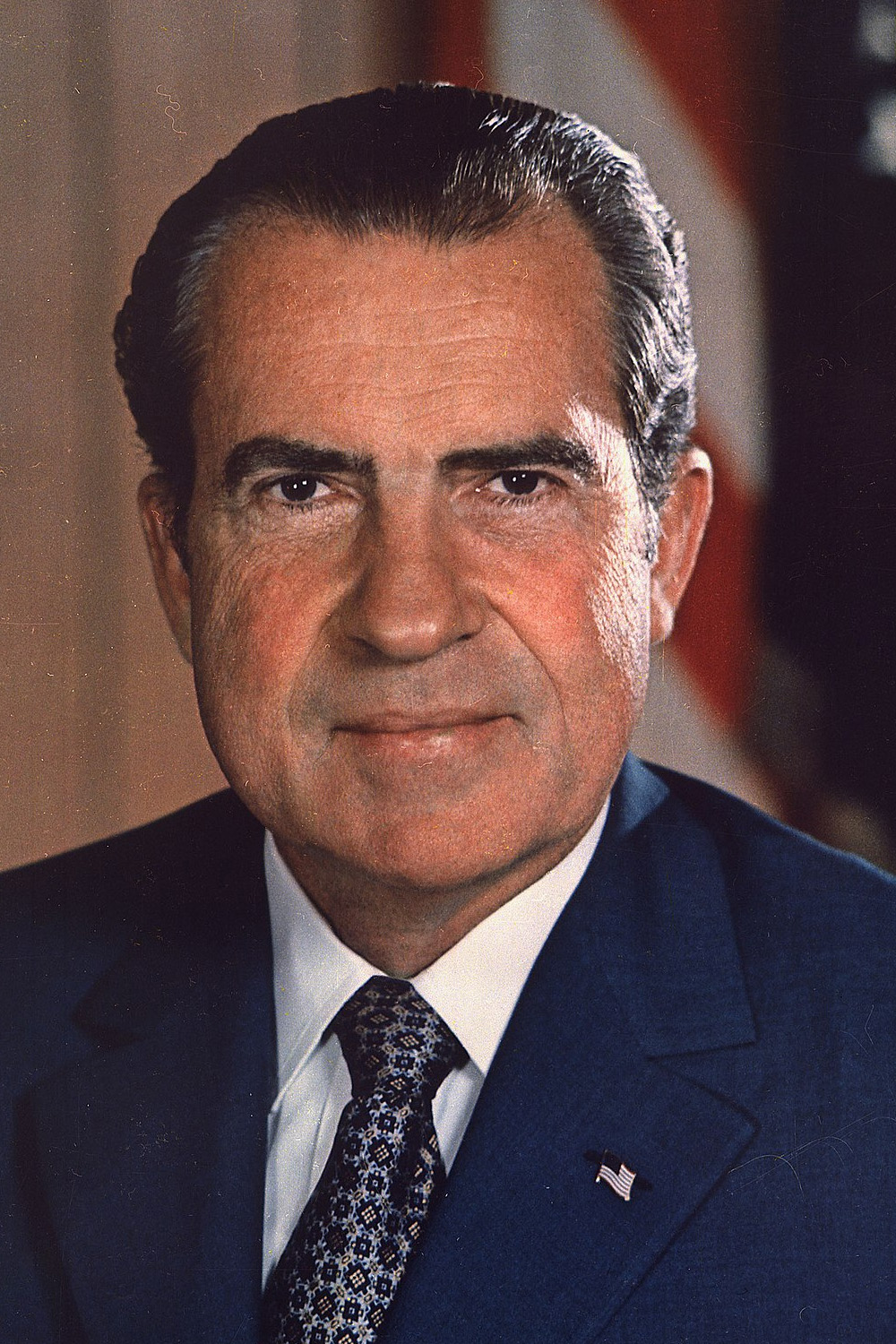
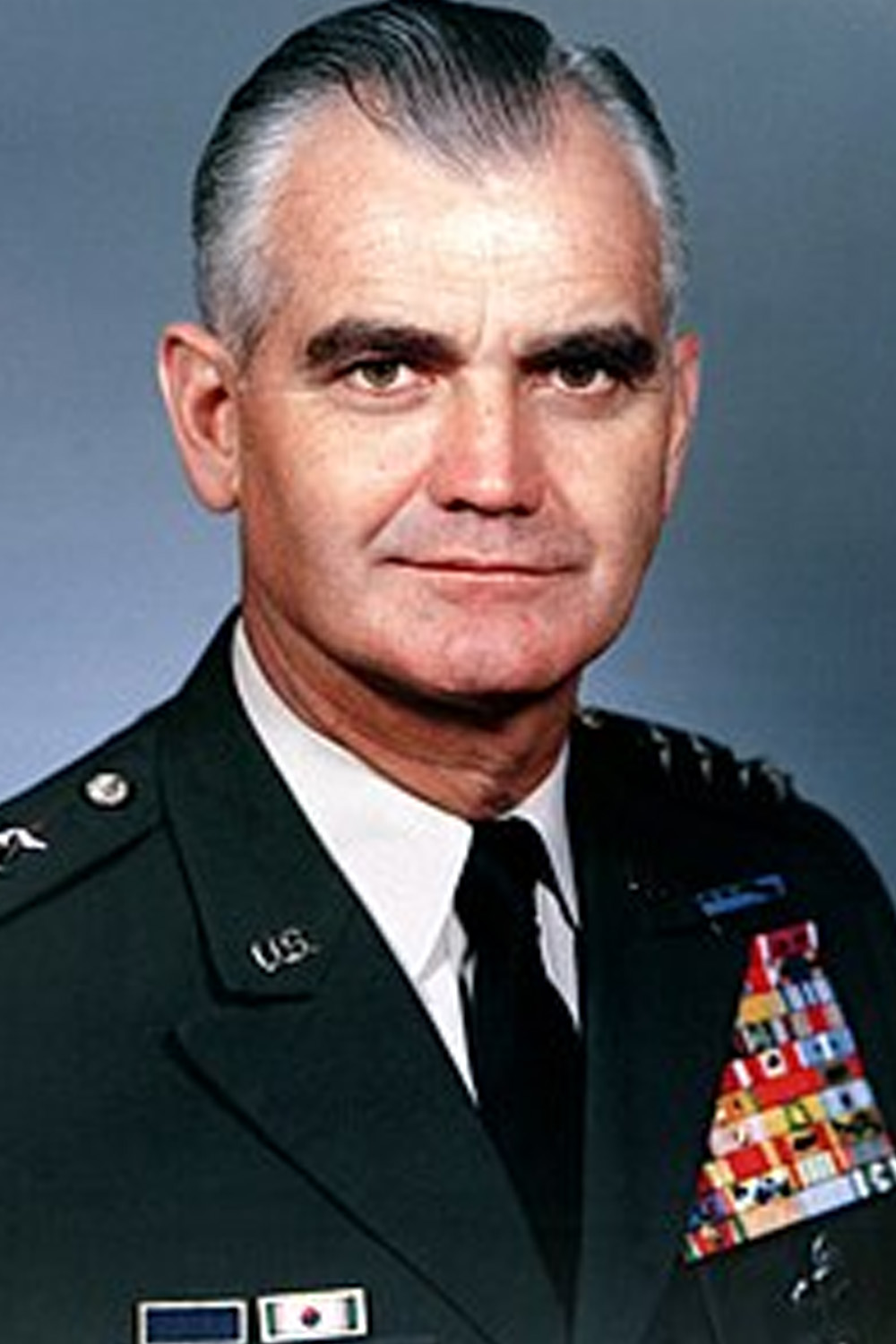
1968 - Gen. William C. Westmoreland
For a "distinguished career of military service and his excellent capabilities as a soldier, military educator, administrator and leader," Westmoreland received the Legion's Distinguished Service Medal in 1968.
The general had just returned to the United States to serve as Army chief of staff, following four years as vice commander and commander of the U.S. Military Assistance Command in Vietnam.
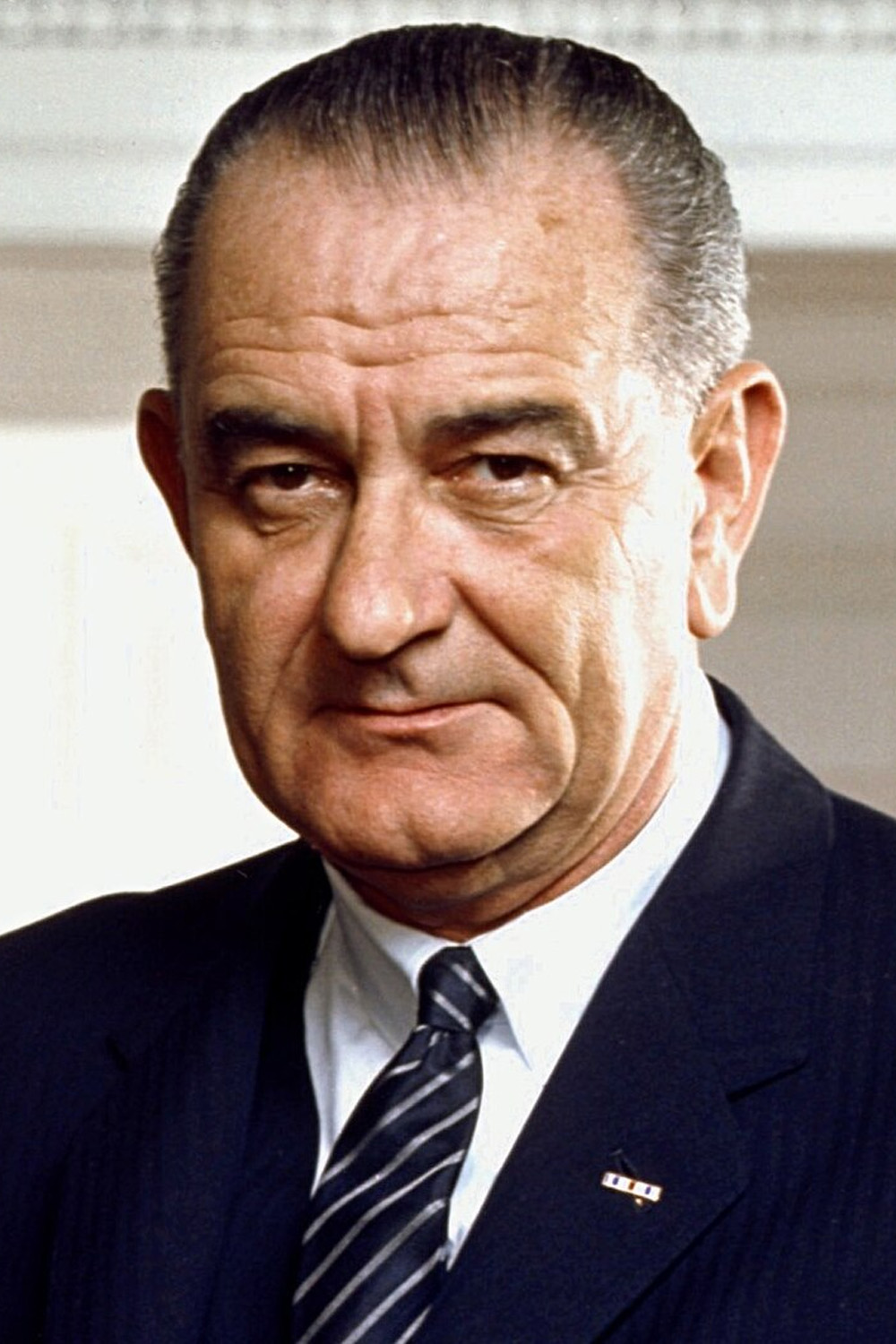
1968 - President Lyndon B. Johnson
Even as the nation was in turmoil over the Vietnam War, Johnson remained convinced that the stability of Southeast Asia and the rest of the world depended on U.S. involvement. For his leadership, he received the Legion's Distinguished Service Medal in 1968.
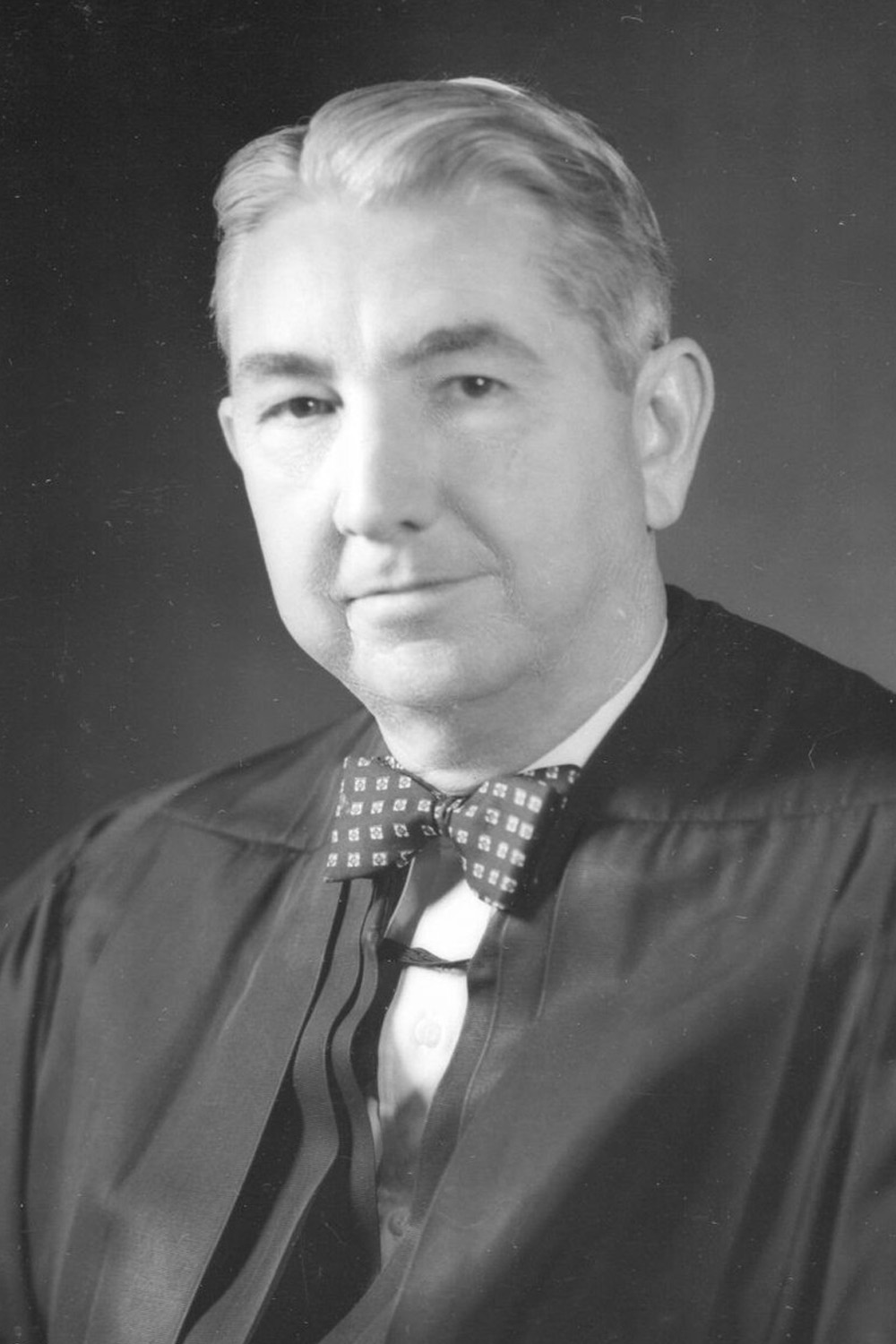
1967 - Tom C. Clark
Awarding Clark the Distinguished Service Medal in 1967, National Commander John Edward Davis praised the retired Supreme Court justice and Legionnaire for "traveling around the country to improve the quality of justice" at a time when the nation was in turmoil over the Vietnam War. "This veteran of World War I, despite a busy career in law, has found time to perform great public service by sponsoring such ideas as the ‘Freedom Train,' which carried across the nation an exhibit of great historical documents.
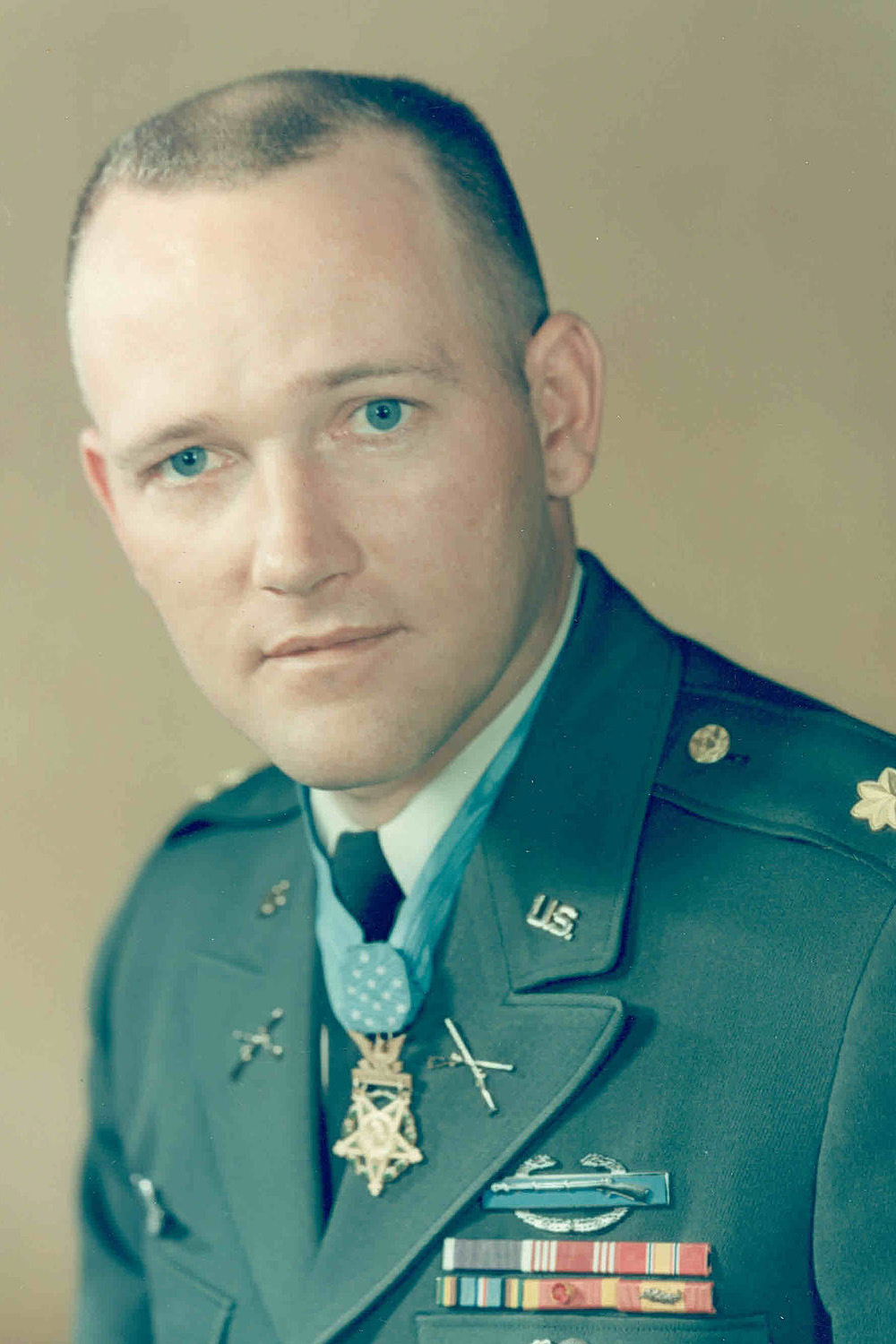
1966 - Capt. Roger H.C. Donlon
The first Medal of Honor recipient of the Vietnam War, Donlon was also the first veteran of that war to receive The American Legion's Distinguished Service Medal in 1966.
Quoting the Department of the Army citation, National Commander L. Eldon James said Donlon had "distinguished himself by conspicuous gallantry and intrepidity at the risk of his own life above and beyond the call of duty while defending a United States military installation against a fierce attack by hostile forces on 6 July 1964, near Nam Dong, Republic of Vietnam."
1965 - James F. Byrnes
A Supreme Court justice who left the bench to lead a war mobilization board during World War II, Byrnes received The American Legion's Distinguished Service Medal in 1965.
"In that post, he assumed many duties and was invested with greater power than any other individual in the country except the president," said National Commander Donald Johnson, presenting the honor. "His fellow Americans, in fact, came to know him in this demanding role as the assistant president."
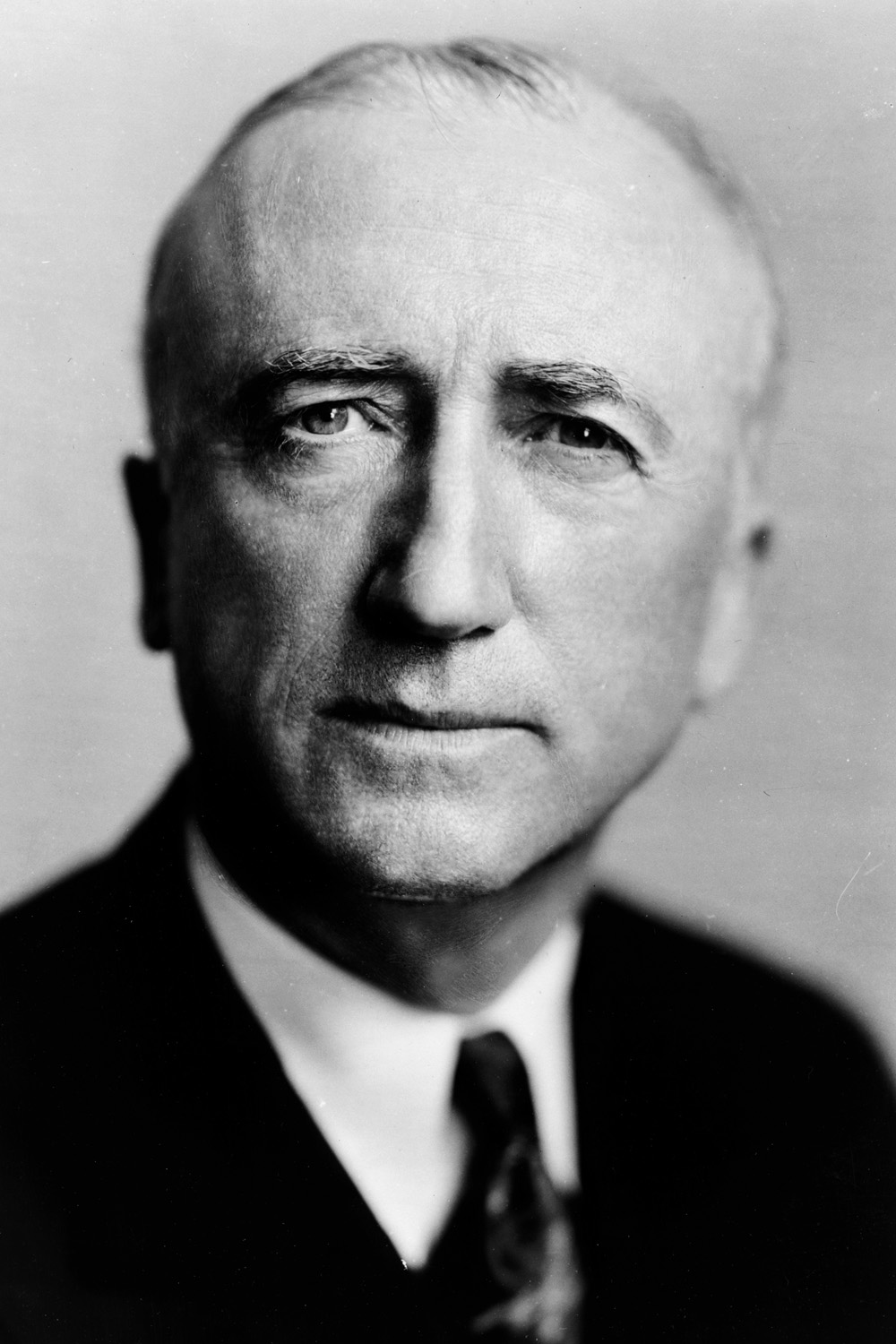
1965 - President Herbert C. Hoover
His humanitarian endeavors earned Hoover posthumous recognition from The American Legion in 1965.
"Before the United States' entry into World War I, Mr. Hoover's great talents were called upon to administer the gigantic relief programs for the aid of the helpless victims of war in Europe and especially in Belgium and France," said National Commander Donald E. Johnson, presenting the honor to the president's son, Herbert Hoover Jr.
In World War II, Hoover again raised millions to help feed war victims.
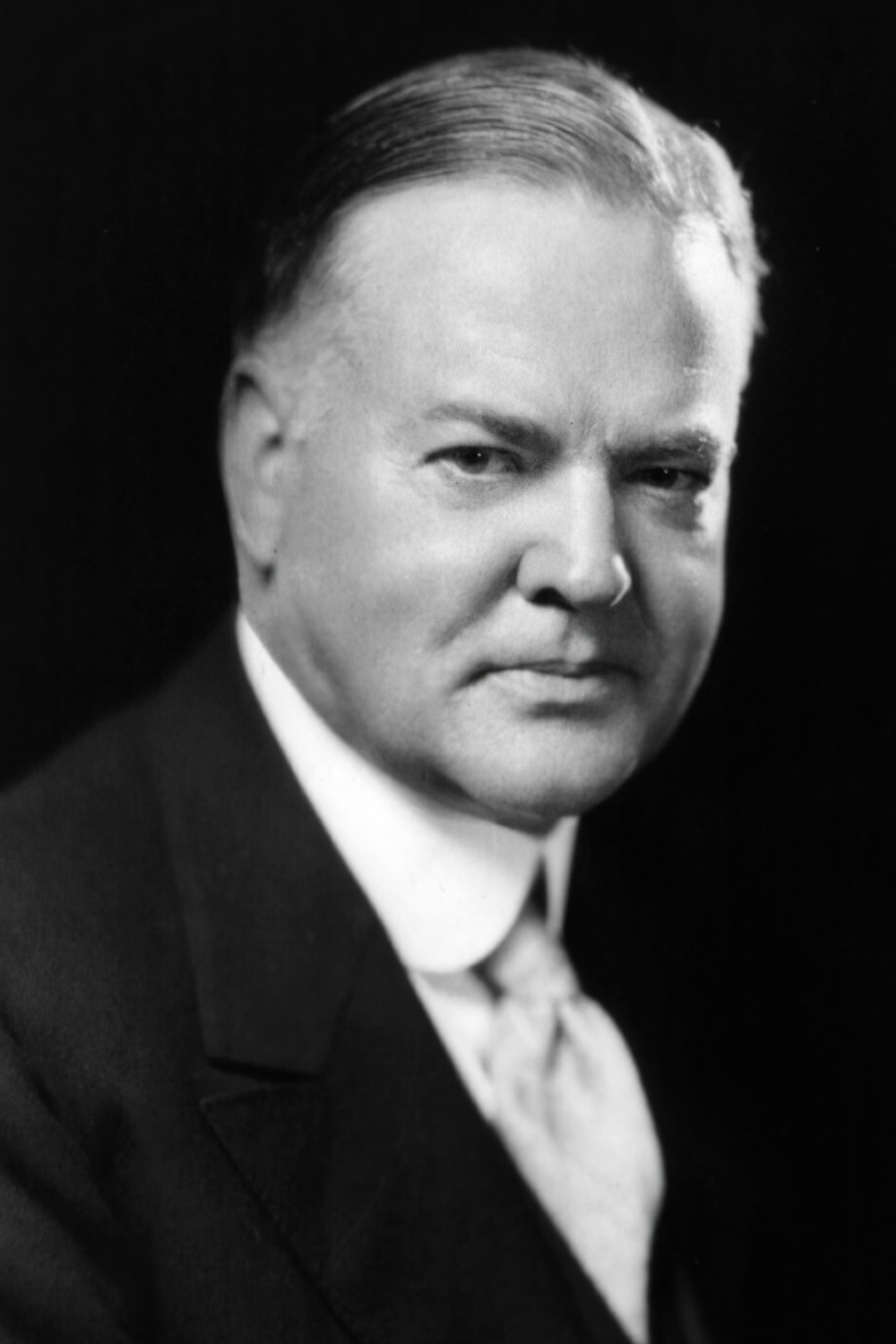
1964 - Dr. Charles W. Mayo
Like his father and uncle before him, Mayo used his skills as a surgeon to benefit people at his family's legendary medical facility in Rochester, Minn. A Legionnaire, too, Mayo received the Legion's Distinguished Service Medal in 1964.
Presenting the award, National Commander Daniel Foley said Mayo "has devoted his lifetime to the progress of medical science and the dissemination of knowledge on advancements recorded in the science of medicine and the exacting techniques of surgery."
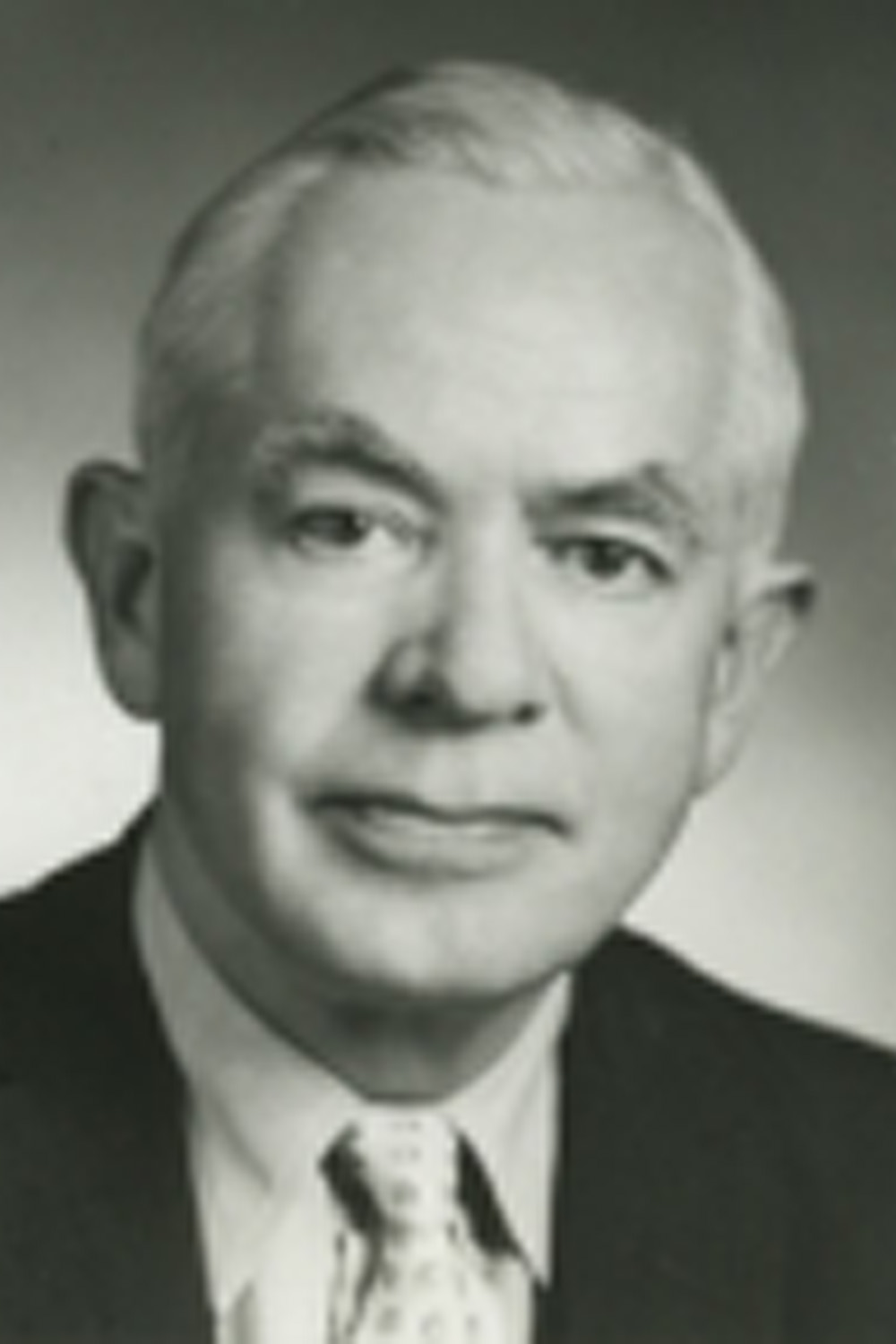
1963 - Cardinal Francis Spellman
For Spellman's steadfast support for those serving in the U.S. military, the Roman Catholic archbishop of New York received The American Legion's Distinguished Service Medal in 1963.
National Commander James E. Powers praised Spellman for his trips to battle ones in World War II. In fact, he was in the Pacific at the time of Japan's surrender and was the first American to celebrate Mass in Tokyo during the occupation.
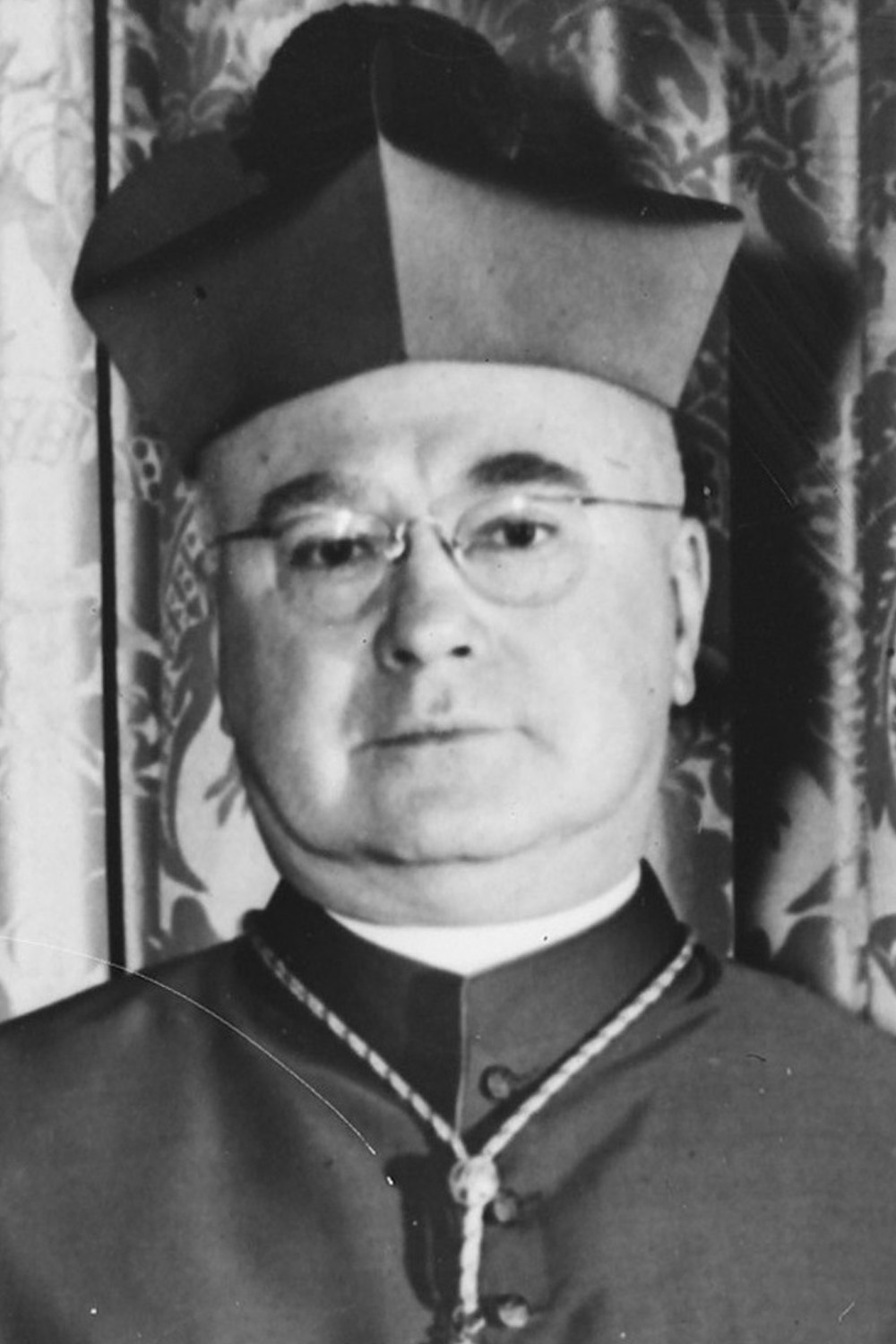
1962 - Dr. Thomas A. Dooley
Dooley served both his nation and his fellow man as a Navy corpsman, physician and humanitarian. Before he succumbed to cancer, he and another physician started MEDICO - the Medical International Cooperative Organization, which opened seven hospitals in Southeast Asia.
1962 - Gen. Lucius D. Clay
Clay, a West Point graduate and "father" of the Berlin Airlift, received The American Legion's Distinguished Service Medal in 1962 for "his close identification with the defense of Western Germany, first as commander of the U.S. Forces and Military Government in the United States Zone during the Berlin Airlift, and as Kennedy's special representative," National Commander Charles L. Bacon said.
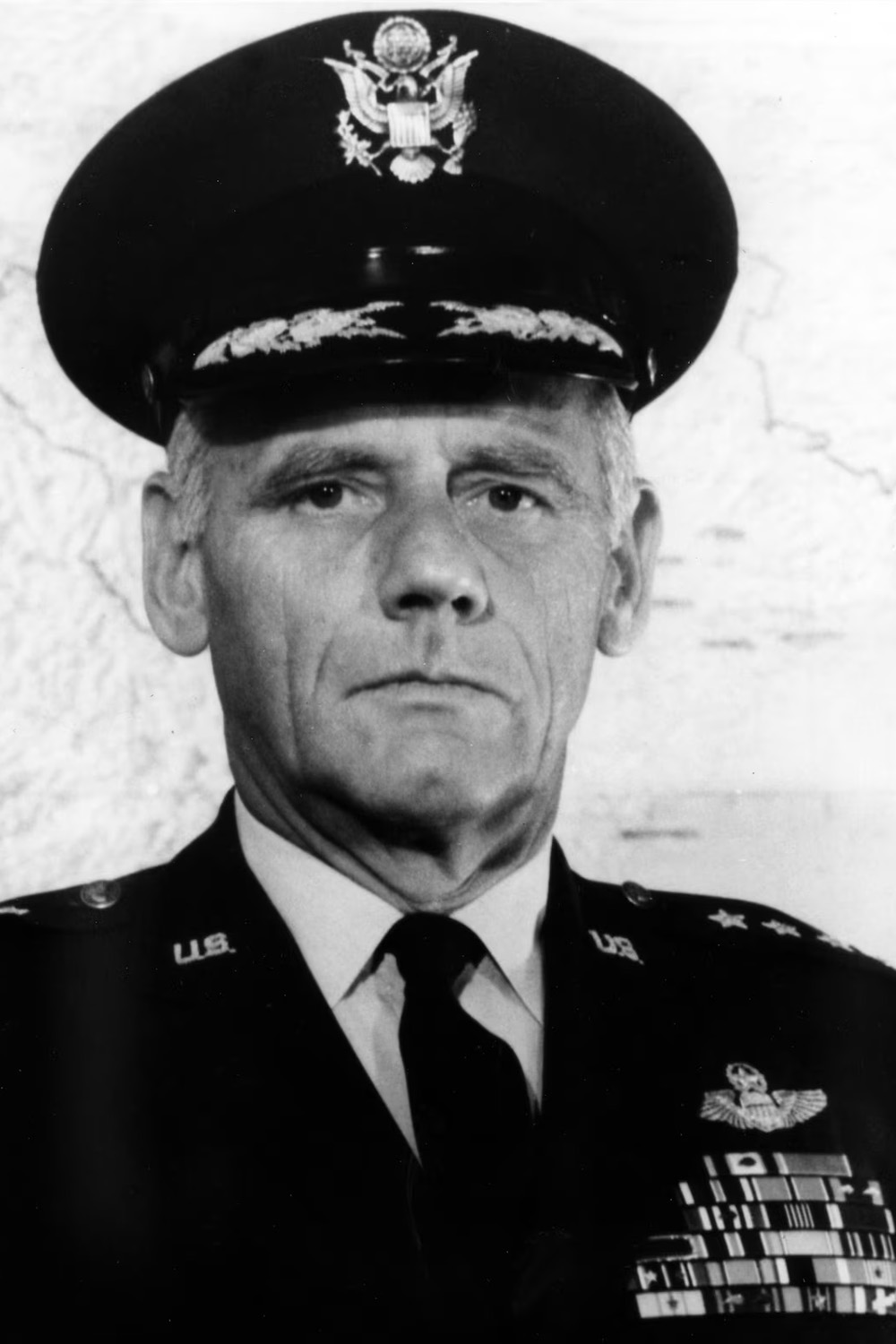
1961 - President John F. Kennedy
For his Navy service during World War II, his time in Congress and his work as the nation's commander in chief, Kennedy received the Legion's Distinguished Service Medal in 1961. When a busy schedule kept him from attending the second annual Washington Conference, nearly 1,000 Legionnaires traveled to the White House to bestow the honor on him.
1959 - Sen. Robert S. Kerr
A World War I veteran, senator and Oklahoma industrialist, Kerrwas the first Legion past department commander to earn the Distinguished Service Medal in 1959.
"During his tenure in the Senate, Sen. Kerr has distinguished himself, not only in the field of veterans affairs, whose interest he has always had at heart, but has proven himself to be a leader in the economic and foreign policies of our government," Past National Commander Seaborn P. Collins said.
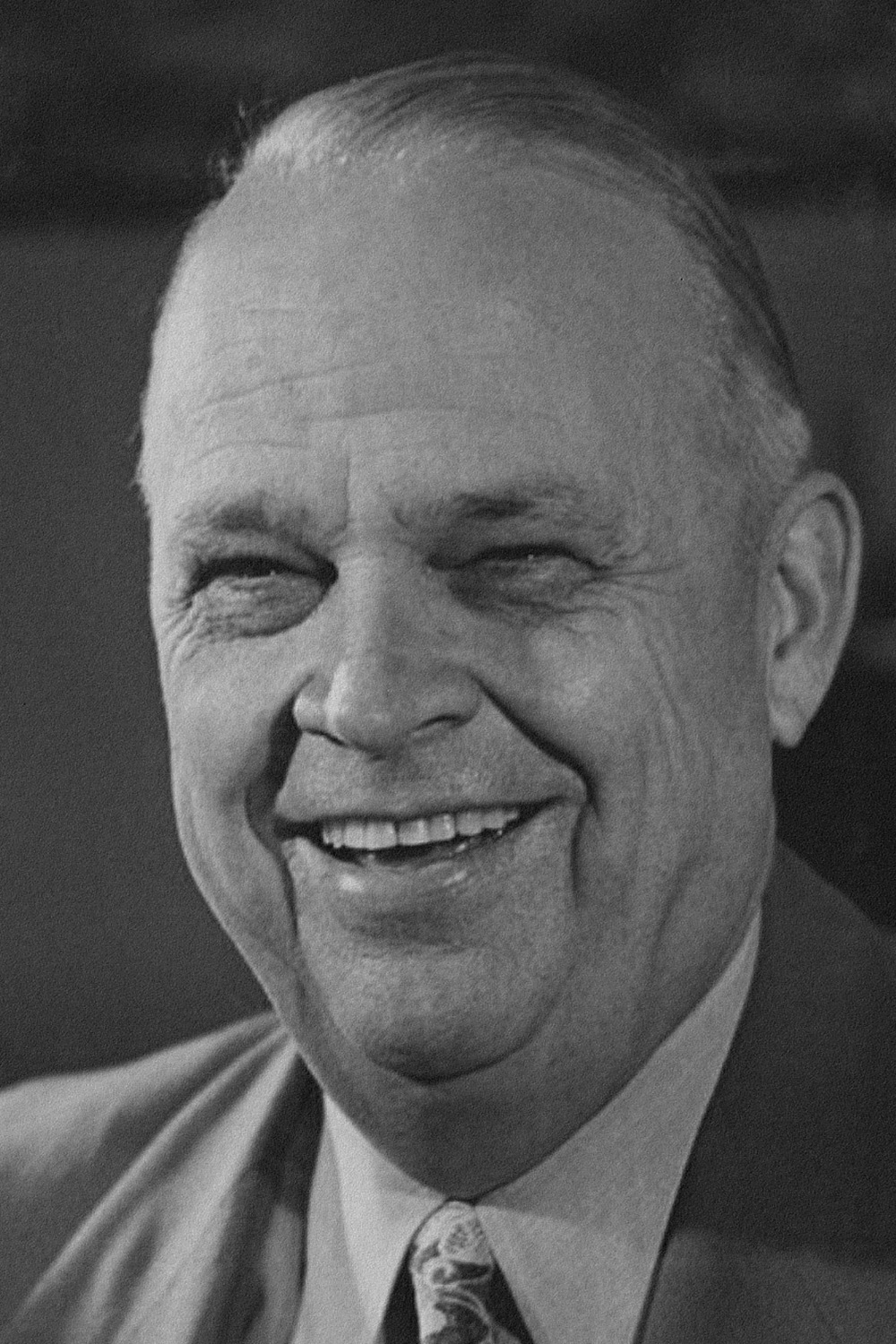
1958 - Bernard Mannes Baruch
A Wall Street tycoon and presidential adviser, Baruch received the Legion's Distinguished Service Medal in 1958, for his support of a strong national defense.
"In World War I he was the symbolic and dynamic leader of America's defense-mobilization effort," National Commander John S. Gleason Jr. told delegates. "World War II proved how right and how prophetic he was. ... his seeming inexhaustible strength and increasingly wise counsel were enlisted without hesitation or reservation in the cause of victory and a just and lasting peace."
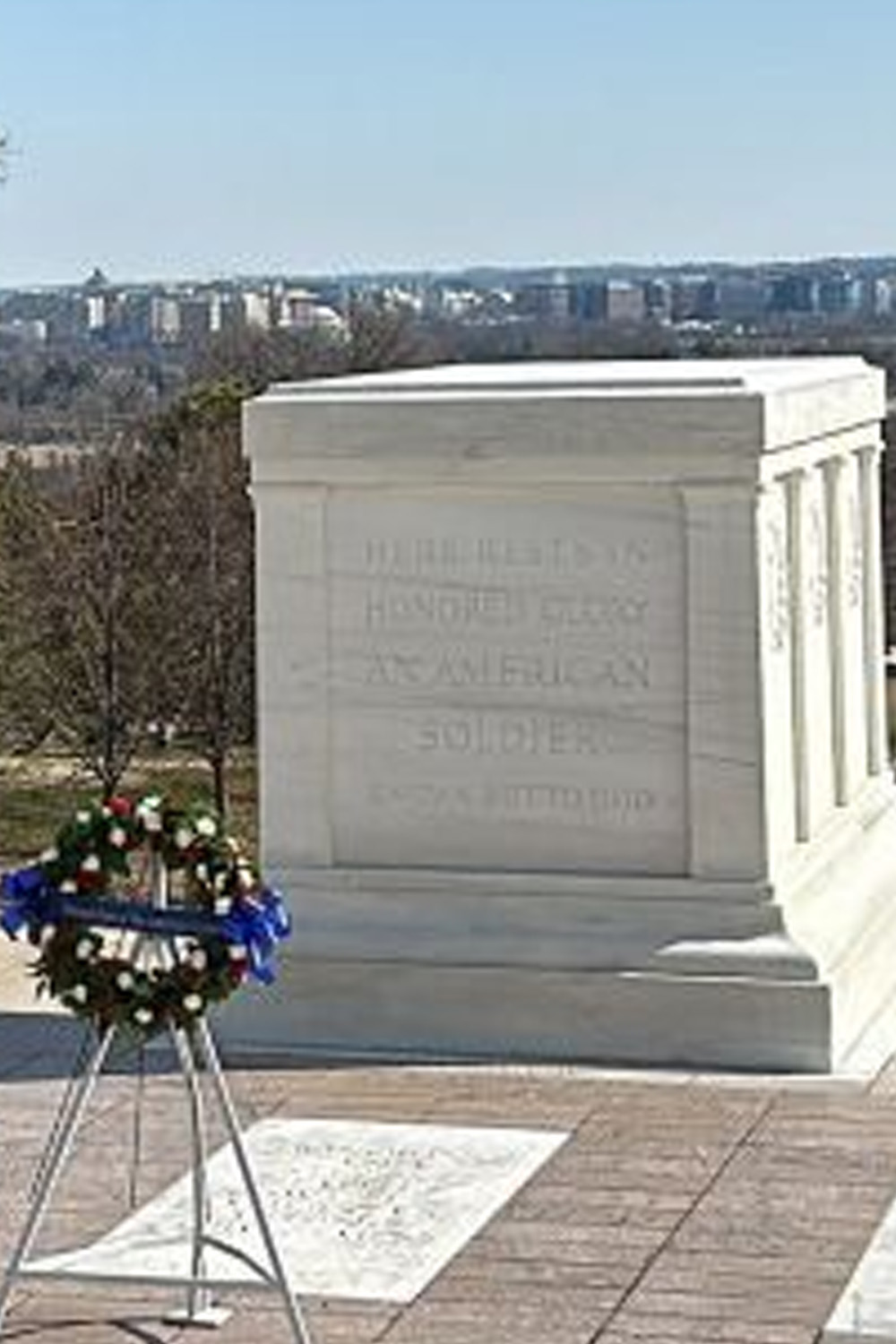
1958 - Unknown Servicemen of World War I, World War II and Korea
In 1958, The American Legion gave its Distinguished Service Medal to the unknown servicemen of World War I, World War II and the Korean War, who live only in the memories of their comrades and families, with no known final resting place. They didn't earn every honor imaginable, nor did they achieve the highest rank. Nonetheless, these men and women died fighting for the nation's freedom.
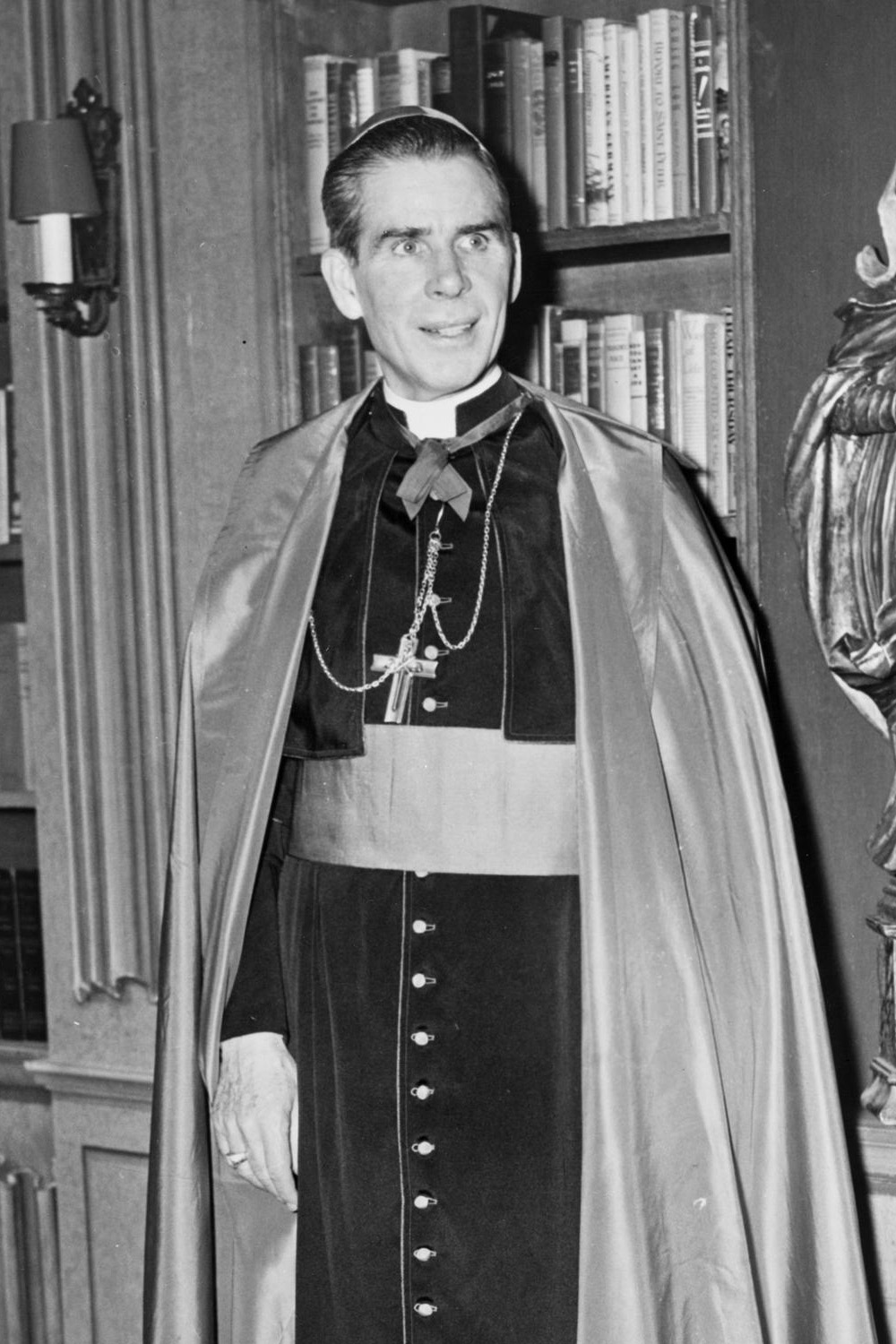
1957 - Bishop Fulton J. Sheen
Known to millions of Americans from his presence on radio and television, the Roman Catholic cleric from New York received the Legion's Distinguished Service Medal in 1957.
"We recognize in you a kindred spirit who, like The American Legion, is zealously fighting against the infiltrations of godless communism and who, by your understanding and brilliant sermons, are bringing our people ‘back to God' - a program which I know you realize is being sponsored by our American Legion posts throughout the world," Past National Commander Arthur J. Connell said.
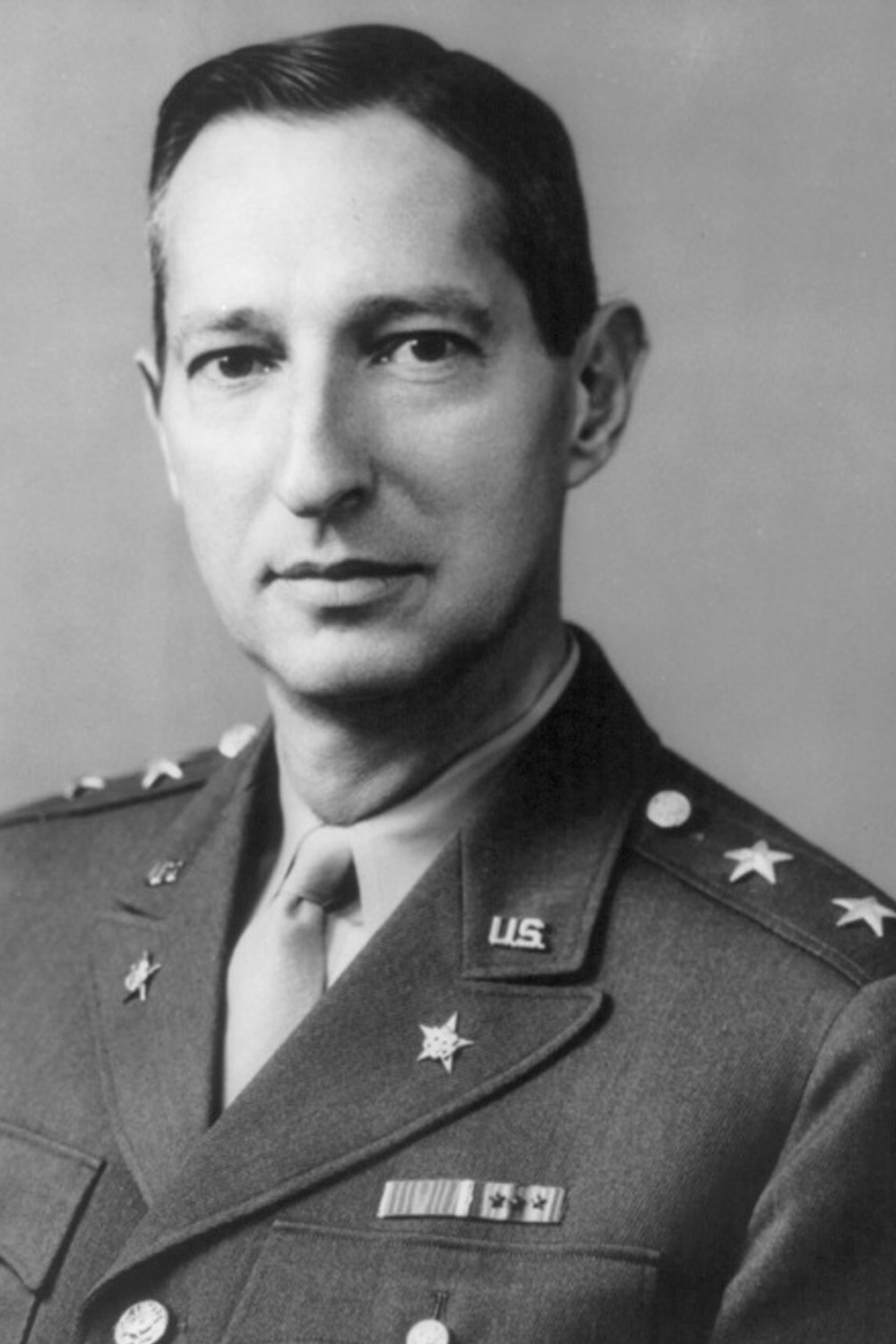
1957 - Gen. Mark W. Clark
A veteran of both world wars, Clark accepted the surrender of the Germans in 1945, and presided at the signing of the Korean War armistice in 1953. The next year, he assumed the presidency of The Citadel in South Carolina.
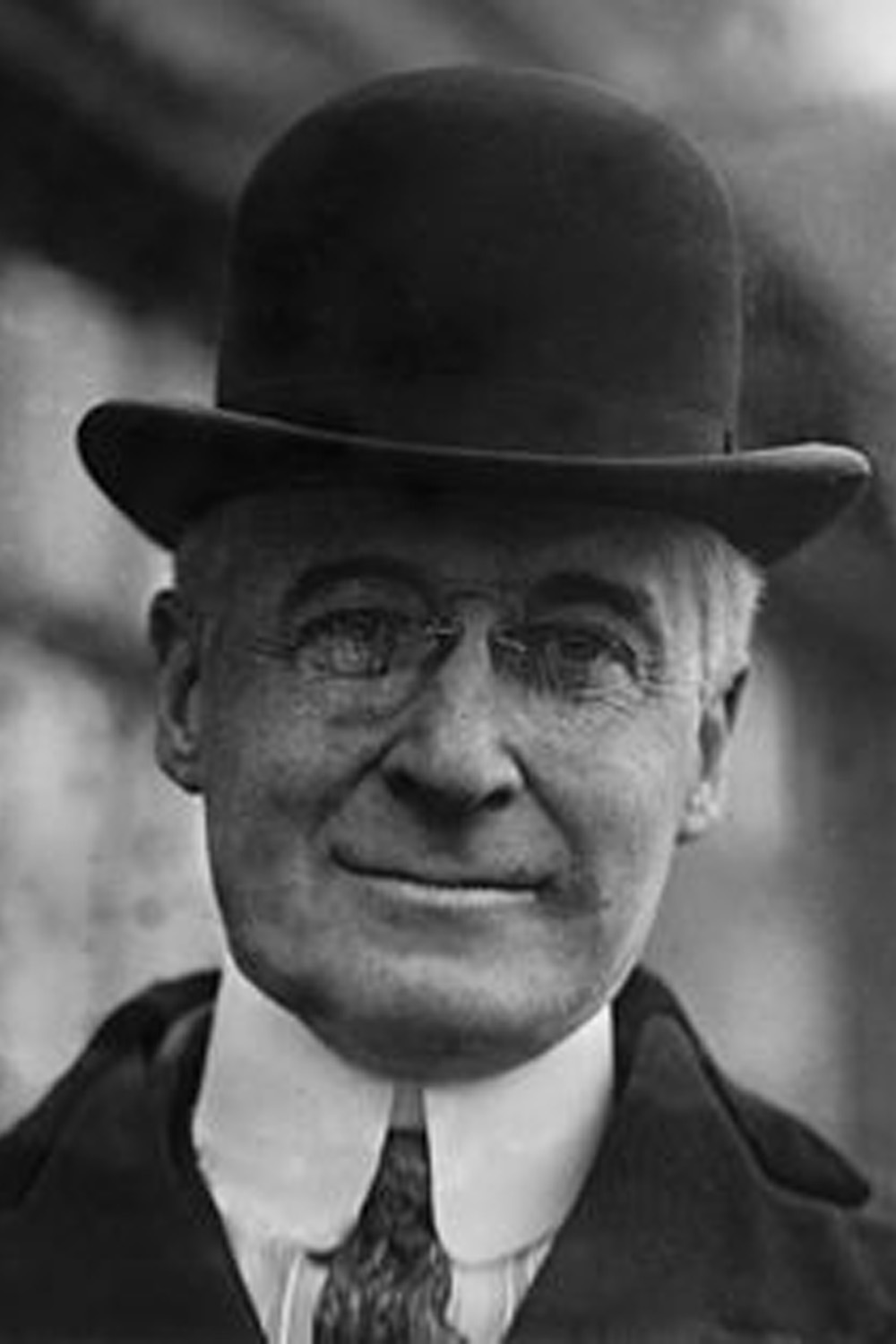
1956 - Charles Stewart Mott
Established in 1926, Mott's Flint, Mich.-basedfoundation has given supported nonprofit programs throughout the United States, and the University of Michigan C.S. Mott Children's Hospital in Ann Arbor bears his name.
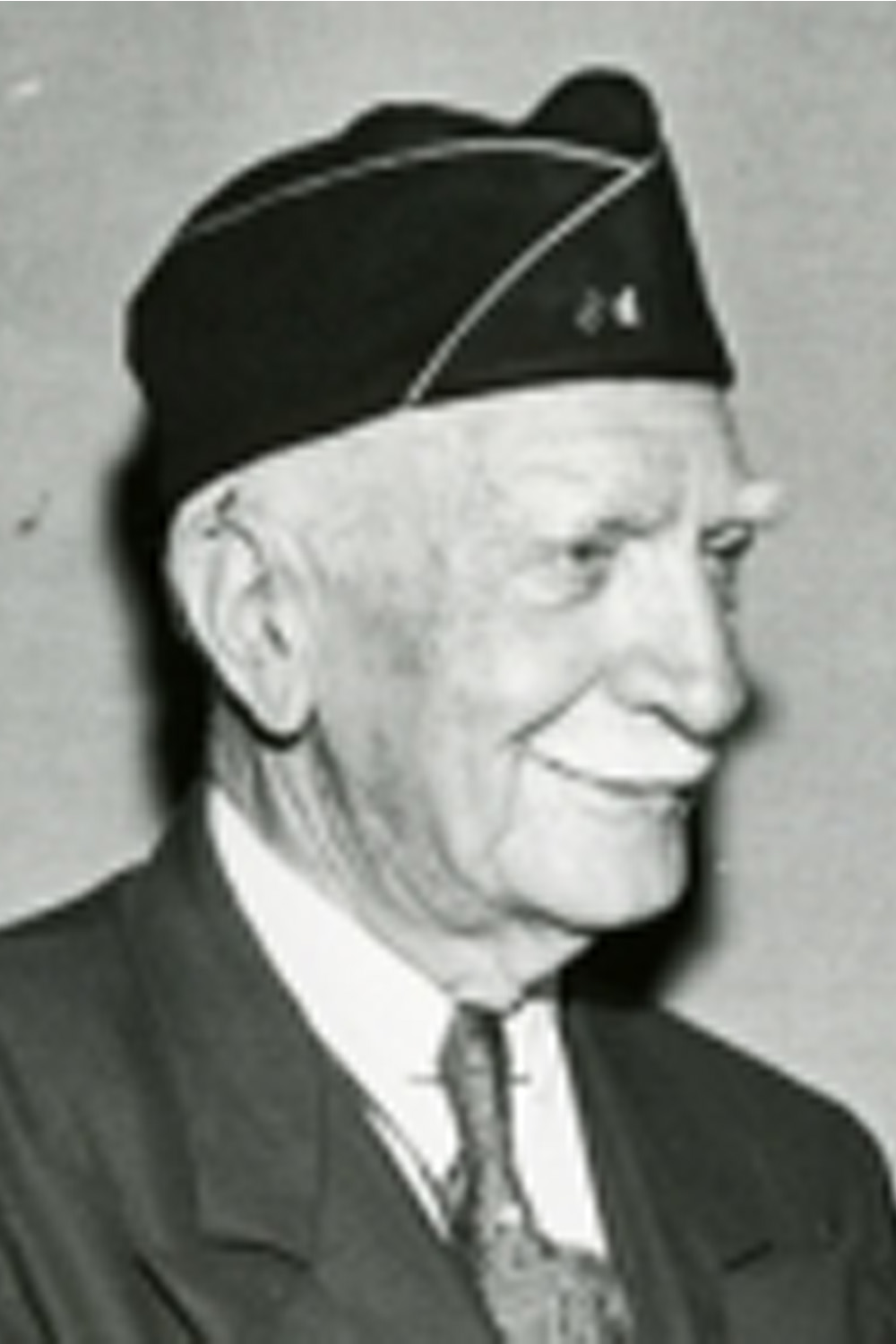
1956 - Vice Adm. Joel T. Boone
Boone provided the nation's veterans with the medical attention they deserve, both in the trenches of World War I and World War II, and later as chief medical director of the Veterans Administration from 1951 to 1955.
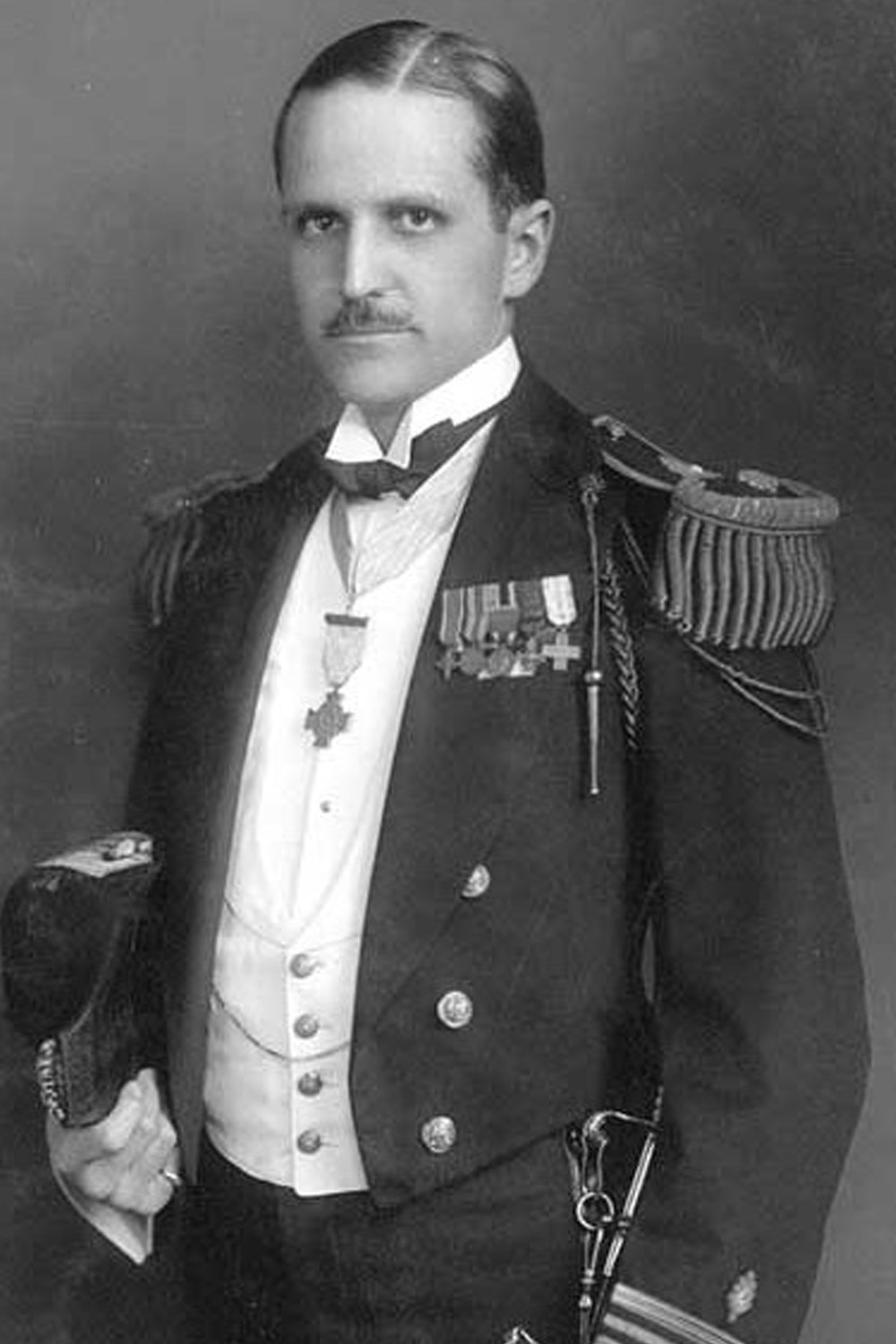
1955 - Dr. Jonas E. Salk
For developing a vaccine for polio, Salk received The American Legion's Distinguished Service medal in 1955. In his absence, 6-year-old Mary Kosloski accepted the award for the vaccine bearing Salk's name.
The poster child for the March of Dimes, Koslowski was diagnosed with the dreaded disease at only 5 months old. "I would like to thank all of The American Legion in behalf of the March of Dimes," she told delegates.
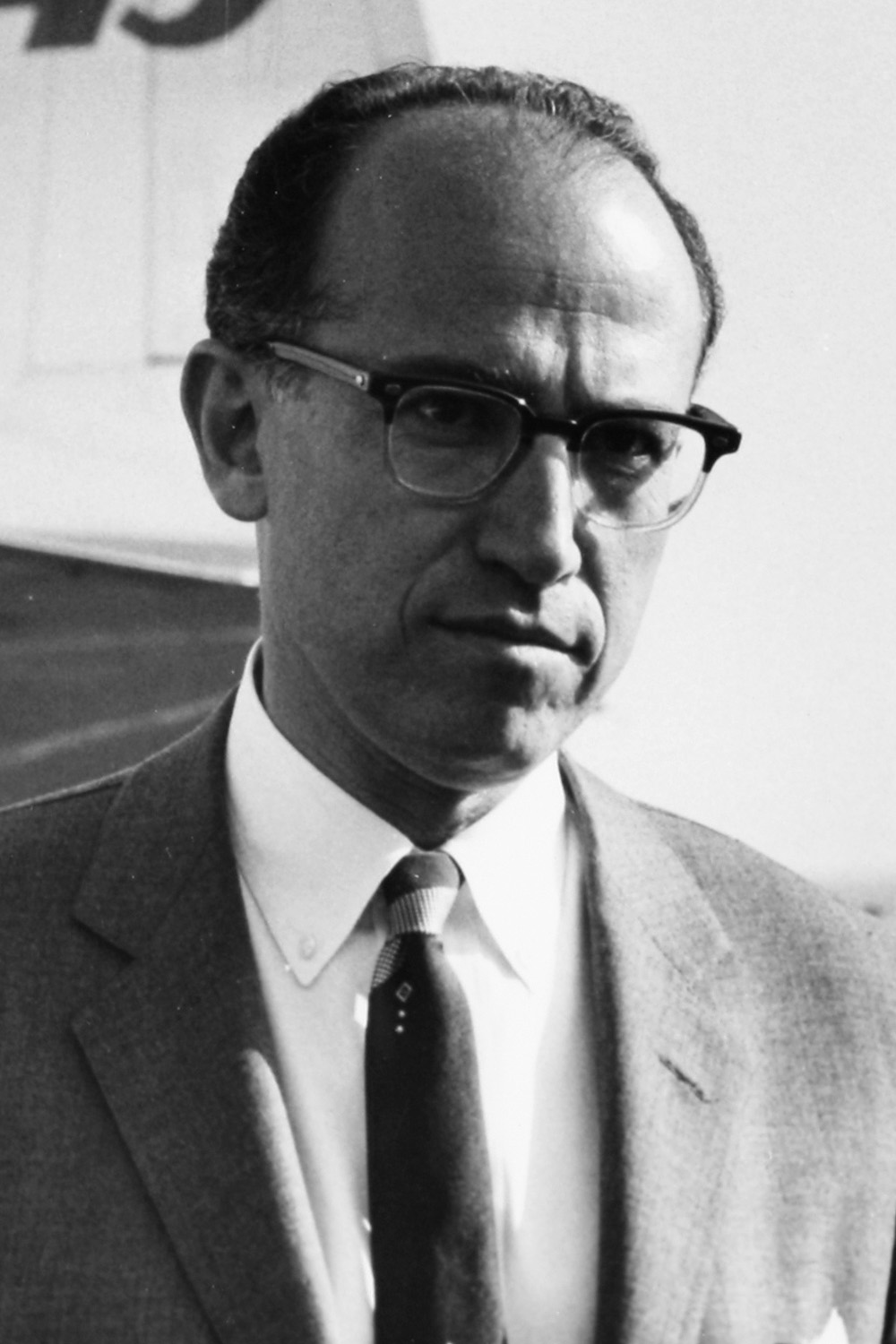
1955 - Maj. Gen. Ellard A. Walsh
Presenting him with the Legion's Distinguished Service Medal in 1955, National Commander Seaborn P. Collins said Walsh "is primarily responsible for the establishment of the National Guard as the principal and most effective reserve component of the Army and the Air Force. He has a distinguished record of military service, exceeding over 50 years, and it still continues."
A charter member of Post 339 in Minneapolis, Walsh fought constantly for legislation in the best interest of The American Legion and the National Guard.
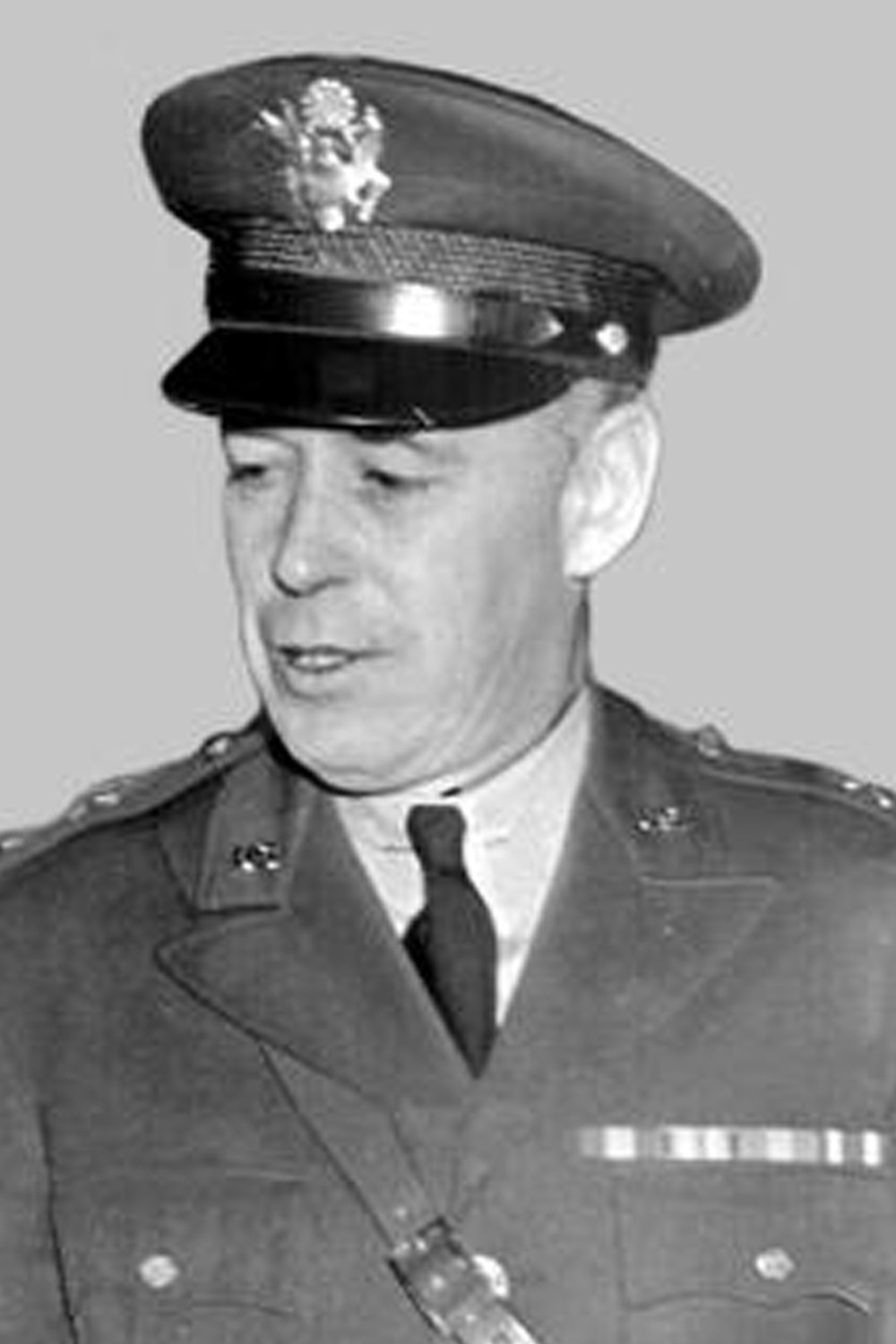
1954 - Maj. Gen. George A. White
After serving in World War I, White pushed for the creation of the Legion. At the 1954 national convention, Past National Commander Stephen Chadwick said he "was insistent that the first organizational caucus should be held in France, but he was equally willing that the permanent organizational meeting be held in America. ... The Paris caucus was George White's brainchild. The spirit of the caucus survives."
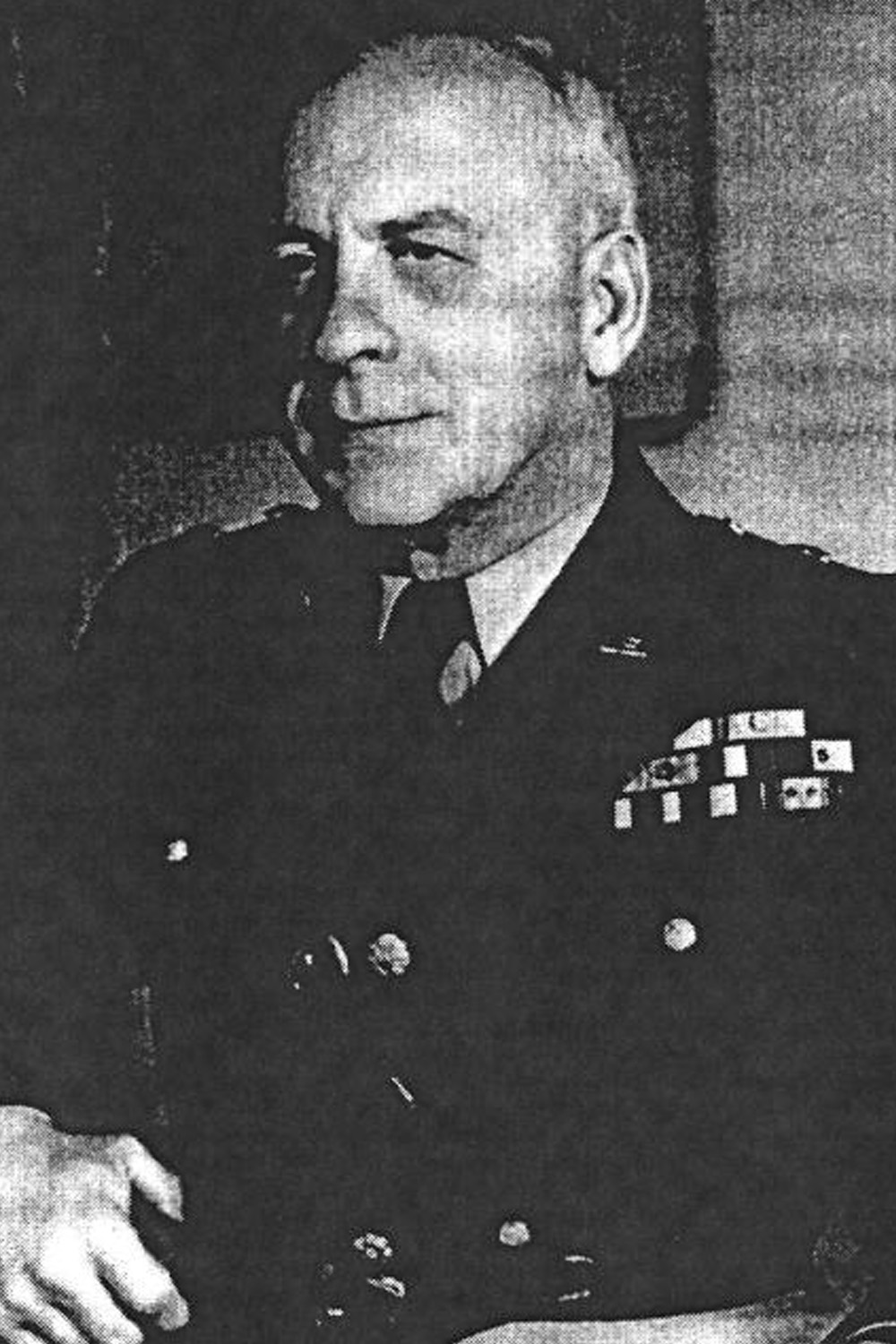
1953 - Rep. Royal C. Johnson
As a young congressman who voted against a declaration of war in 1917, South Dakota's Johnson could not live with approving appropriations to support "sending other women's sons into war." So, although he was exempted from service, Johnson voluntarily enlisted in the Army, engaged in battle and was severely wounded. He survived and resumed his congressional career, where he authored the resolution to incorporate The American Legion.
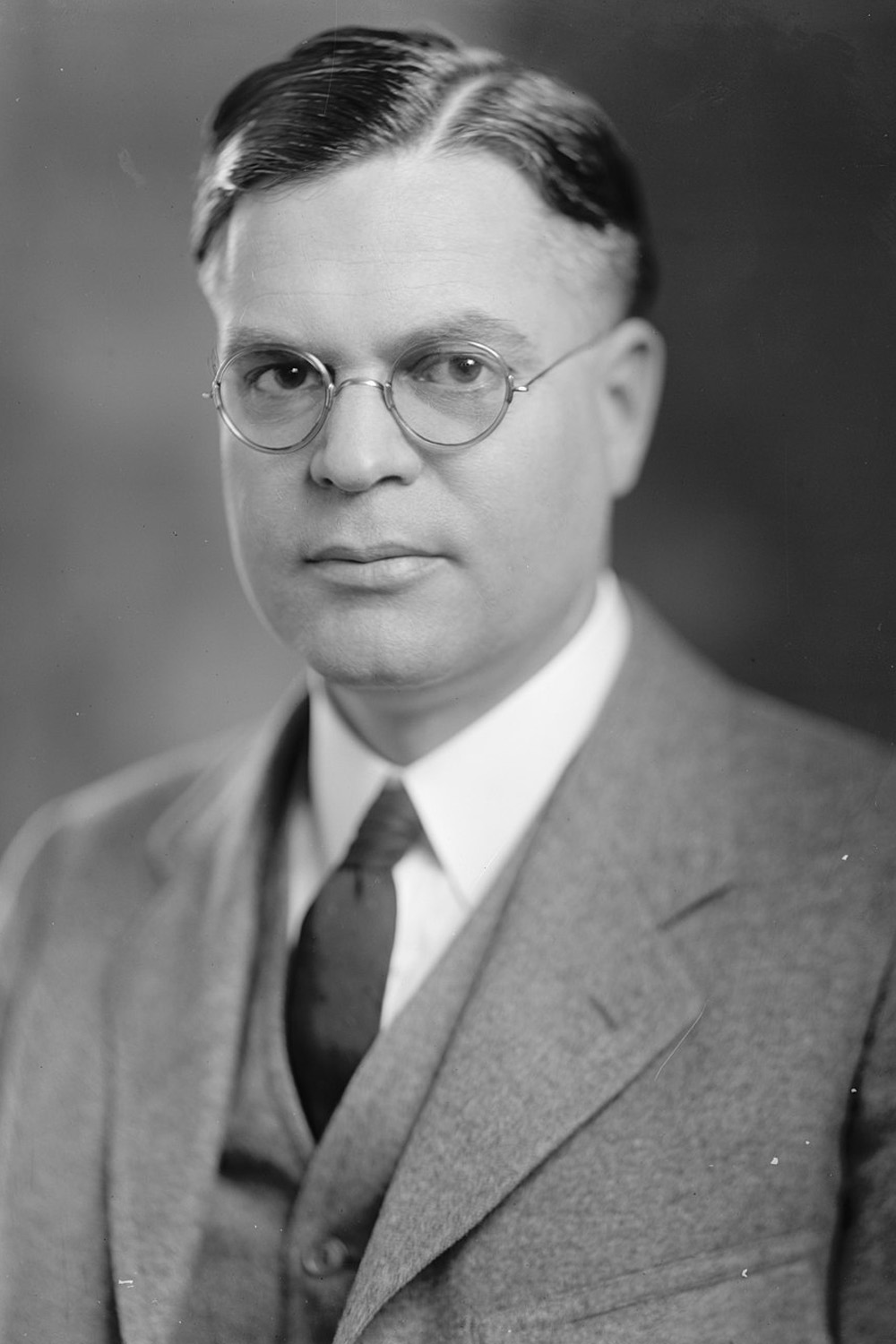
1951 - Gen. Charles P. Summerall
Summerall received the Legion's Distinguished Service Medal at the 1951 national convention, where the soldier, educator, civic leader and humanitarian was praised for his service as commander of the 67th Field Artillery Brigade of the First Division and of the Fifth Corps in France during World War I.
"He was a front-line general, and for his gallantry in action he was awarded the Distinguished Service Cross," Past National Commander Ray Murphy said. "He wears many other decorations, including the Distinguished Service Medal of the United States."
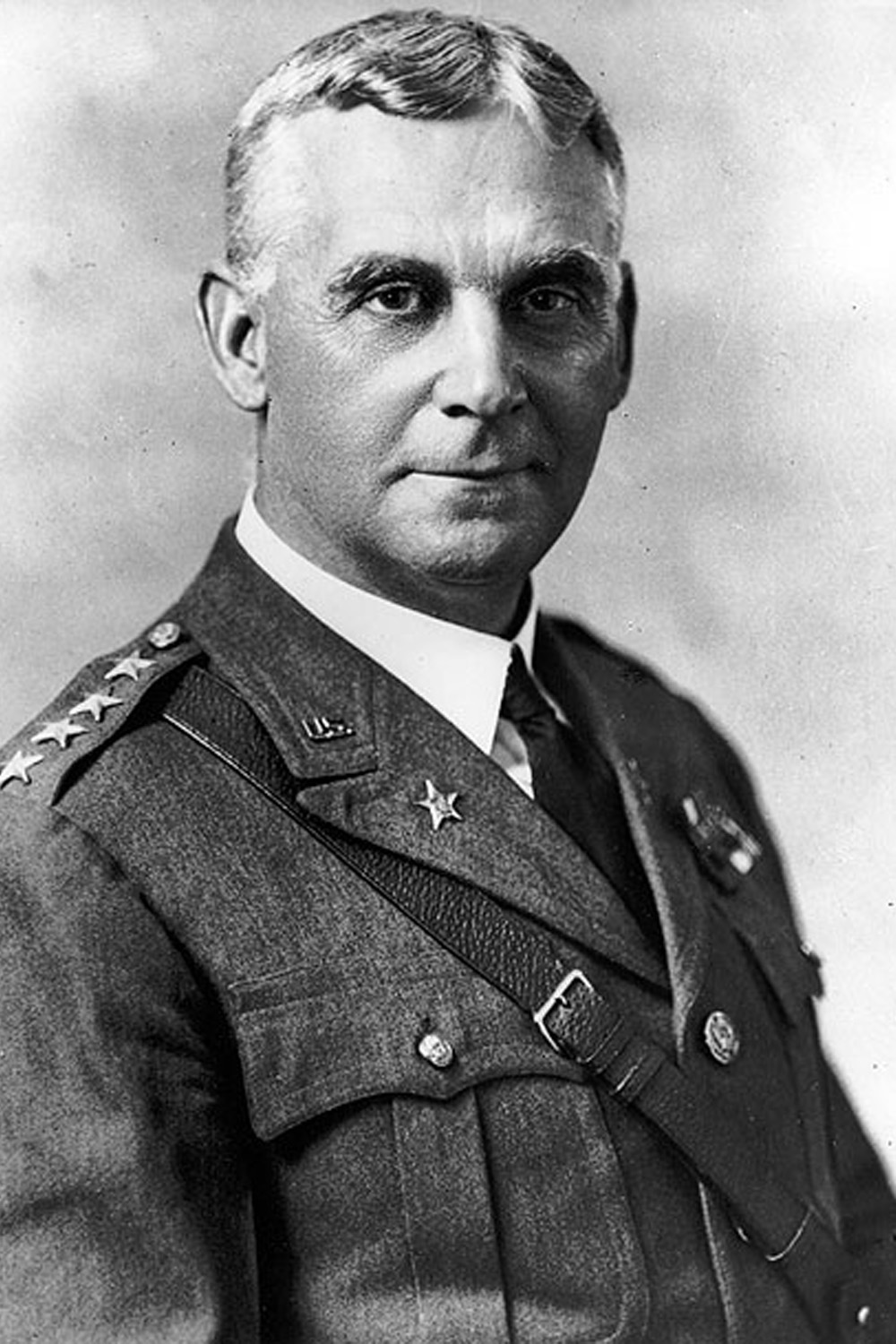
1950 - Charles F. Johnson Jr.
A successful businessman, friend of The American Legion and employer of veterans,
Johnson received The American Legion's Distinguished Service Medal in 1950. His family's business, Endicott-Johnson Shoe Corp., played a vital role in the economy of upstate New York and supplied shoes to the Army during both world wars.
"Many thousands of Endicott-Johnson workers served actively in both world wars. Many returned badly wounded," Past National Commander Edward N. Scheiberling told Legion delegates. "All were reinstated with full employment rights preserved."
1950 - Maj. Gen. Milton A. Reckord
A 1950 recipient of the Legion's Distinguished Service Medal, Reckord had a career that spanned the Mexican Expedition, World War I and World War II.
As adjutant general of Maryland's National Guard for nearly 46 years, Reckord was a strong advocate of universal military training, convinced that well-trained units would be better suited for battle if called upon for active duty.
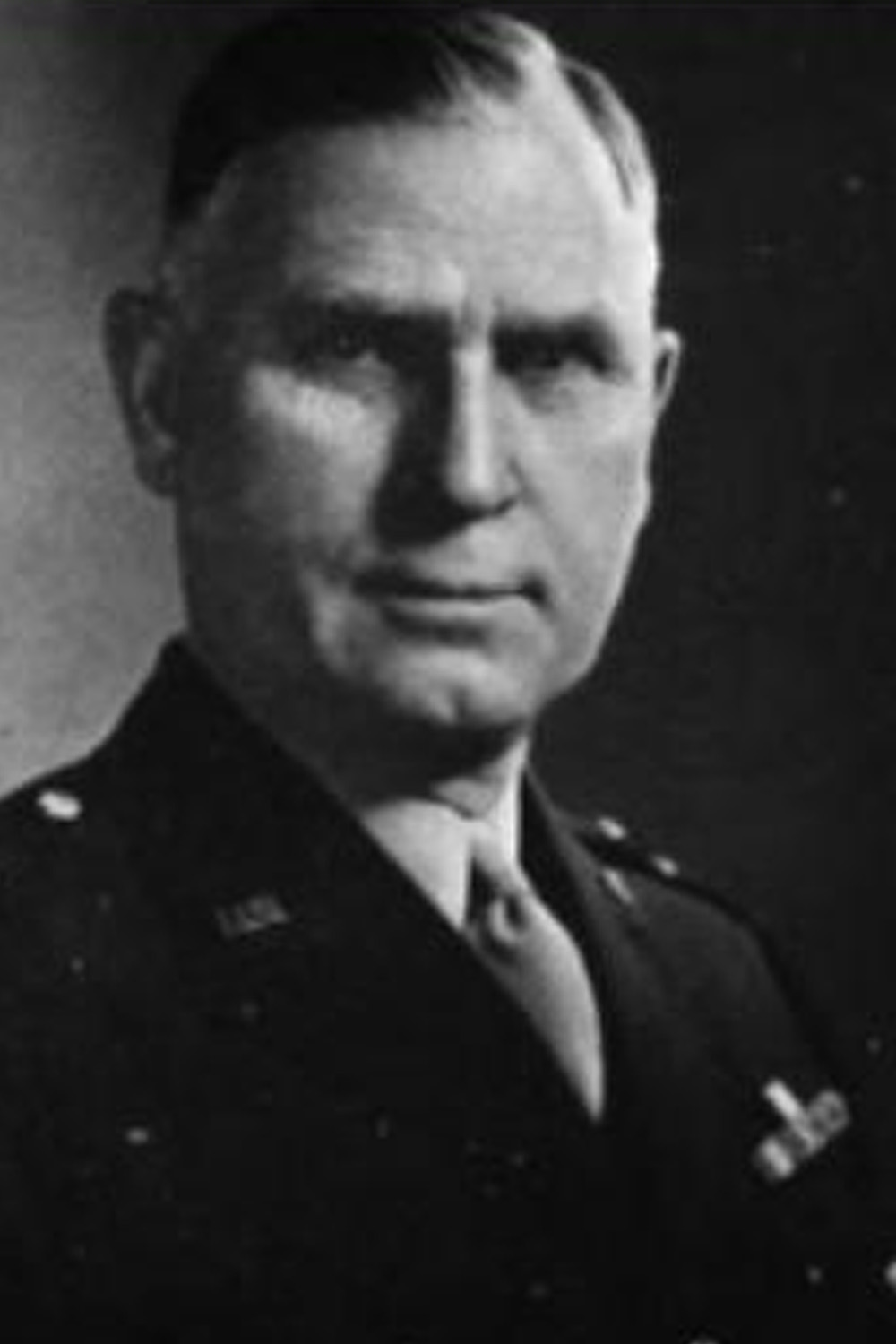
1950 - Rep. Edith Nourse Rogers
The battlefield for Rogers wasn't Europe or the Pacific, but in Congress, where for 35 years she fought for veterans. In 1950, The American Legion honored her with the Distinguished Service Medal.
In his tribute to Rogers, the Rev. Edward J. Carney told Legionnaires, "She was one of the leaders in the fight for sufficient airplanes to make our Air Corps the finest in the world. Her advocacy of a large Navy and her voting record for large appropriations for naval defense are well known."
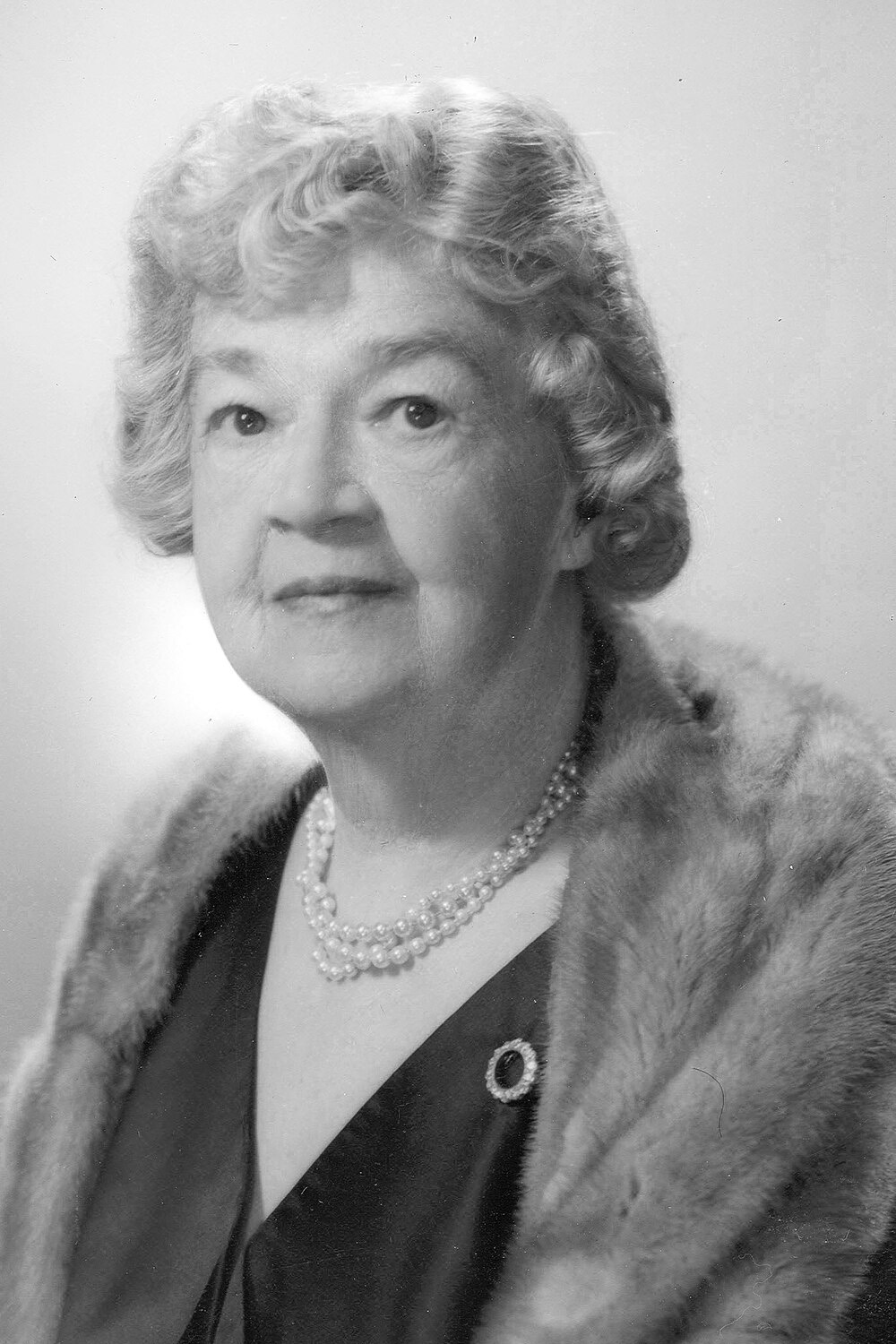
1949 - George Herman "Babe" Ruth
In 1949, a year after the baseball icon's death, Past National Commander James O'Neil presented the Distinguished Service Medal to Babe Ruth's widow, Claire, saying, "In a land where every man has an even chance to make good, success stories have become a rule. Certainly, the big fellow who started out as a tyke in a Baltimore orphanage wrote one of the brightest."
Inning after inning, game after game, George Herman Ruth became a household name starting in 1914 - first with the Boston Red Sox, then 14 years with the New York Yankees, and ending in 1935 with the Boston Braves.
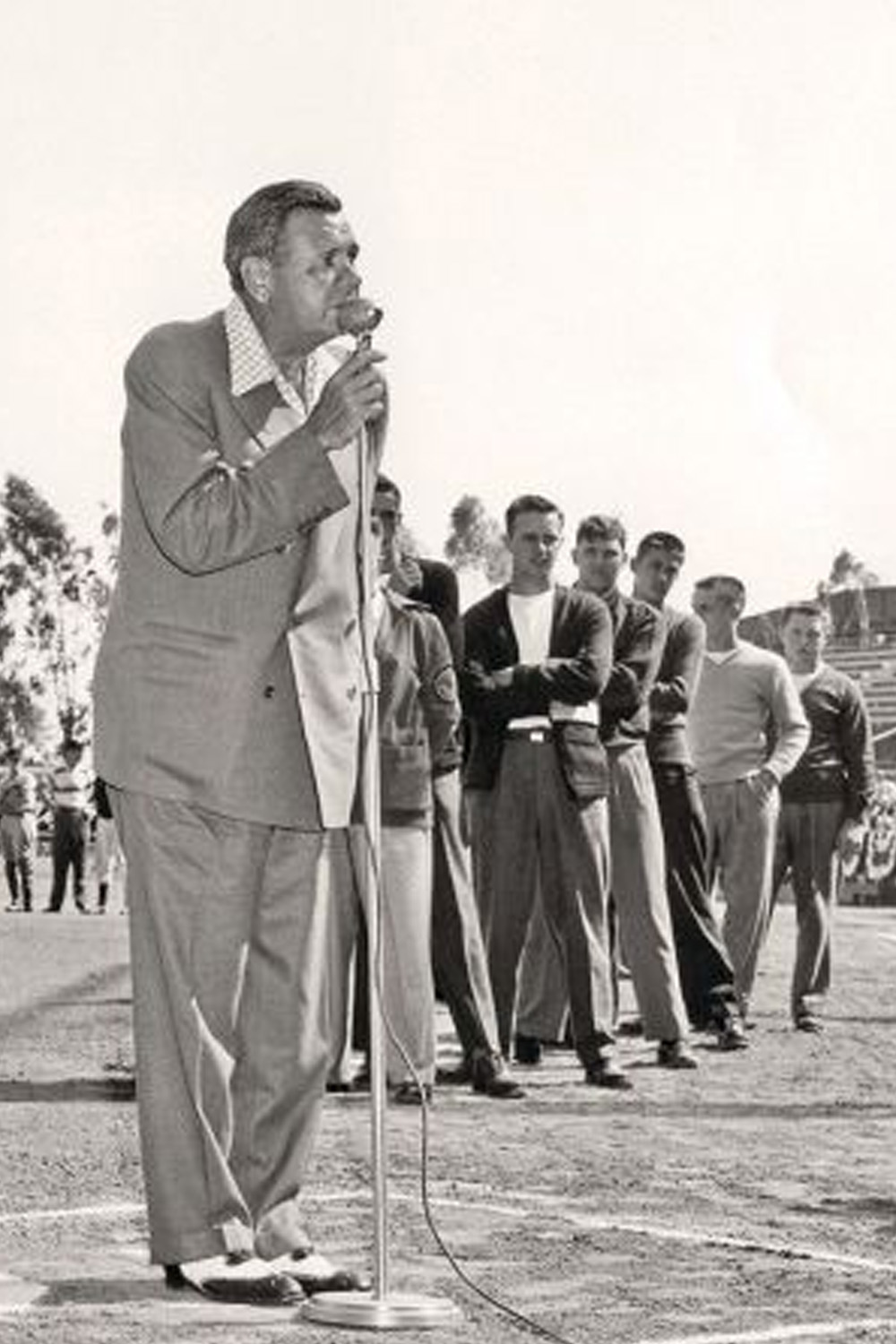
1949 - Maj. Gen. Frank Parker
When The American Legion awarded a Distinguished Service Medal posthumously to Parker in 1949, his widow, Katherine, told the convention, "The American Legion was ever close to his heart. He had shared your sufferings, your rejoicings and your ambitions both at home and overseas, and he gloried in being one of you.
"On his very last day, what might be termed his final official act was to complete the draft of a national-defense report for The American Legion. Thus, he was with you to the end of his long, active and purposeful life."
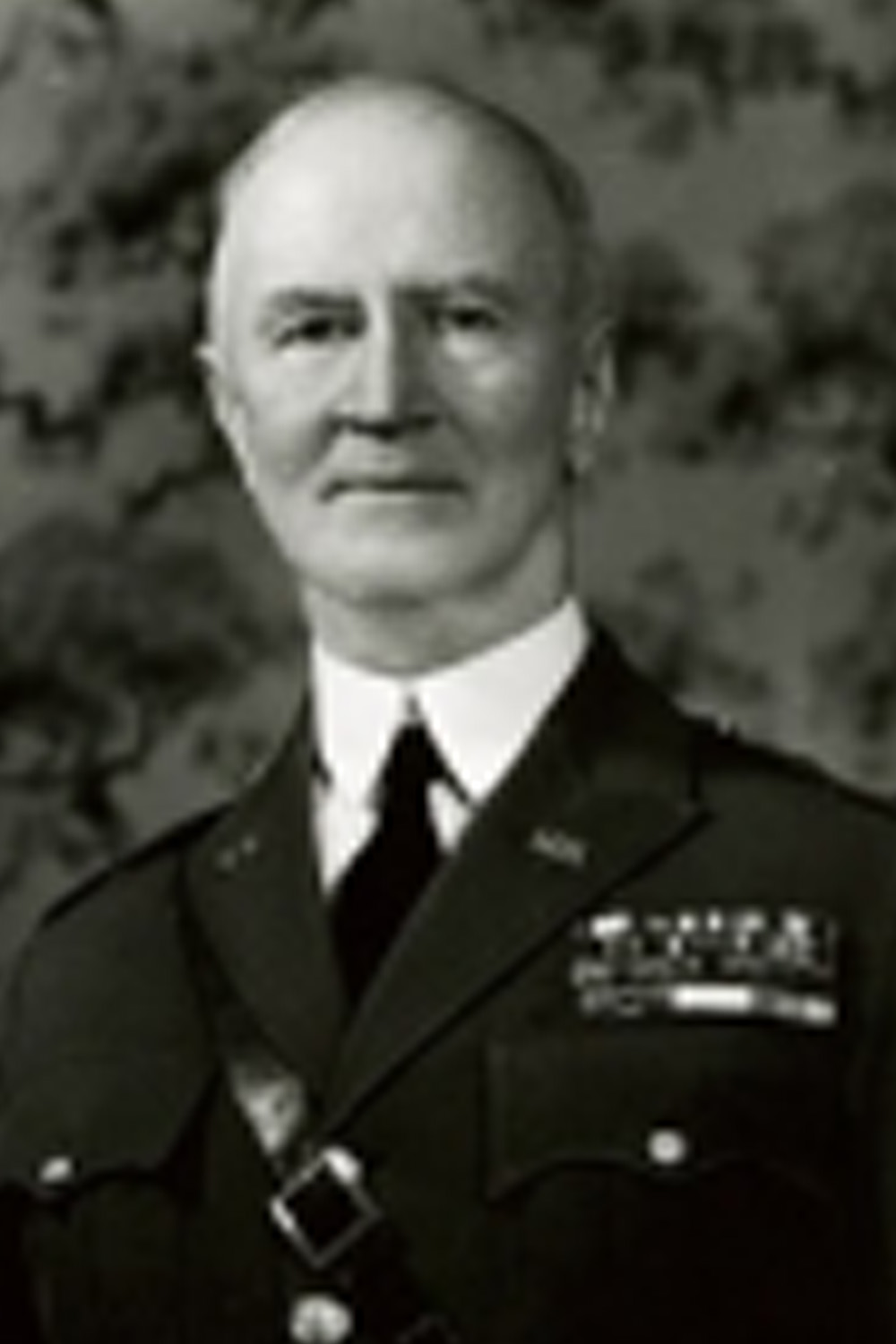
1949 - President Harry Truman
At The American Legion's 1949 convention, Truman was called "just one of the guys" as he received the Legion's Distinguished Service Medal. A 30-year Legionnaire and founding member of his post in Independence, Mo., he was the first president from the Legion's ranks. But Defense Secretary Louis Johnson, a past national commander, spoke of a much more common Harry: "In his simplicity, his humility, his charm, his devotion to his friends and his warm understanding of his fellow Americans, our friend and fellow veteran, Harry Truman, never seems to change ...
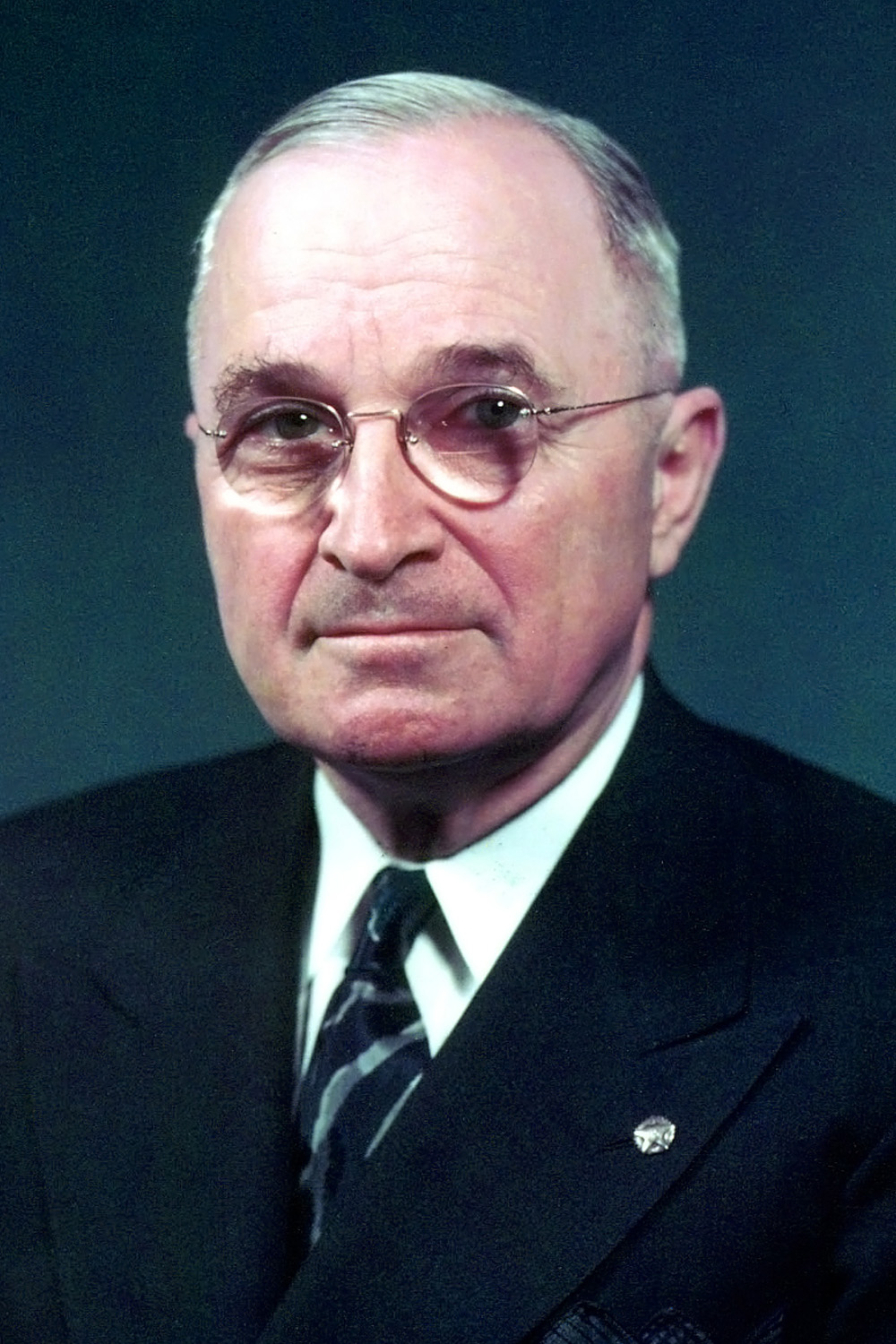
1947 - Chief Justice Fred M. Vinson
As Secretary of the Navy John L. Sullivan called Fred M. Vinson to the podium to receive a the Legion's Distinguished Service Medal, he praised him for serving his country during World War I, and as being one of the Legion's own. Upon returning home, Vinson helped organize W.O. Johnson Post 89 in Louisa, Ky., and became its first post commander.
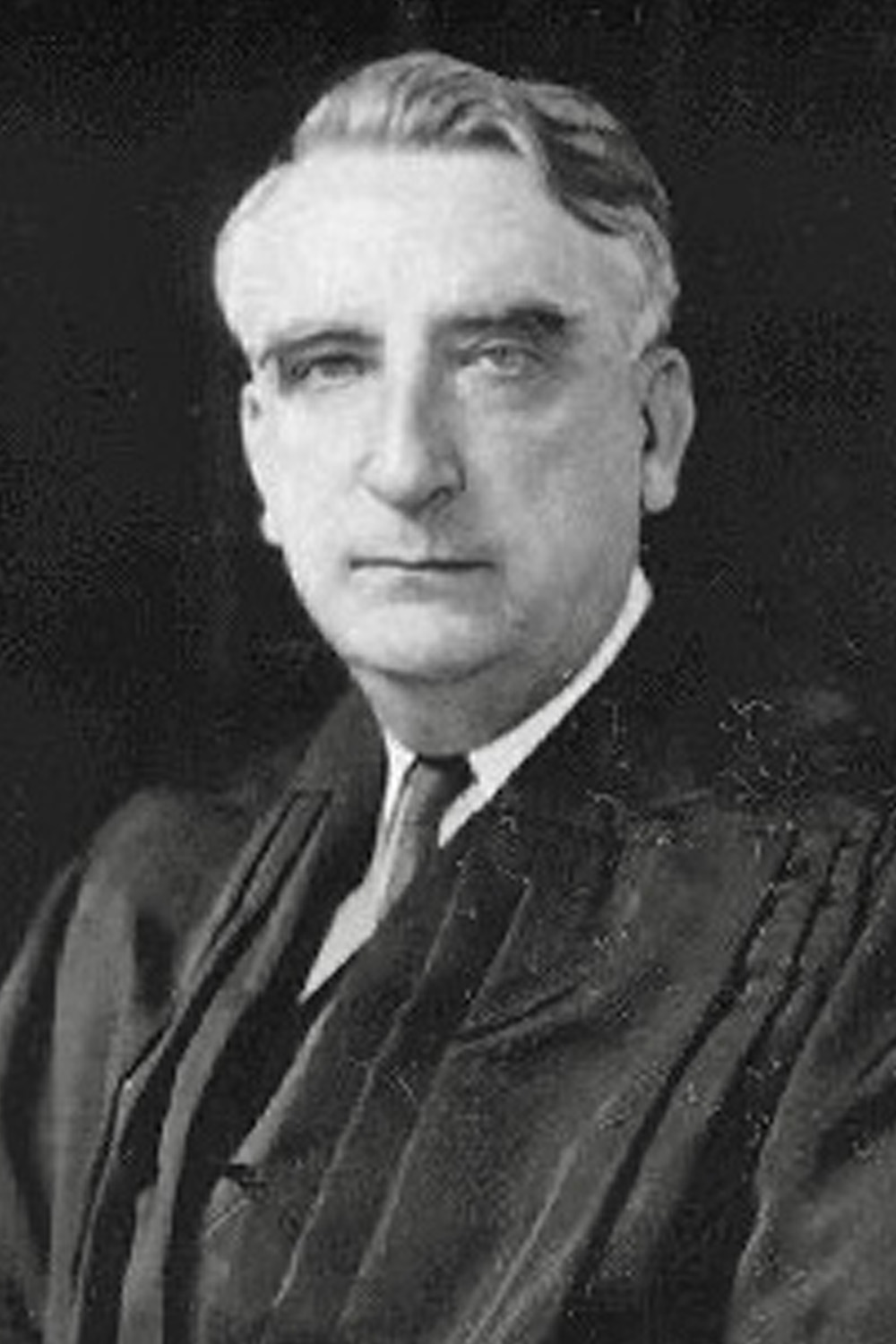
1947 - Lt. Gen. William S. Knudsen
For his achievements in war production, the Danish-born Knudsen - who immigrated to the United States at 20 and built a career in industrial America that included the presidency of General Motors - received the 1947 Distinguished Service Medal, though illness kept him from the convention.
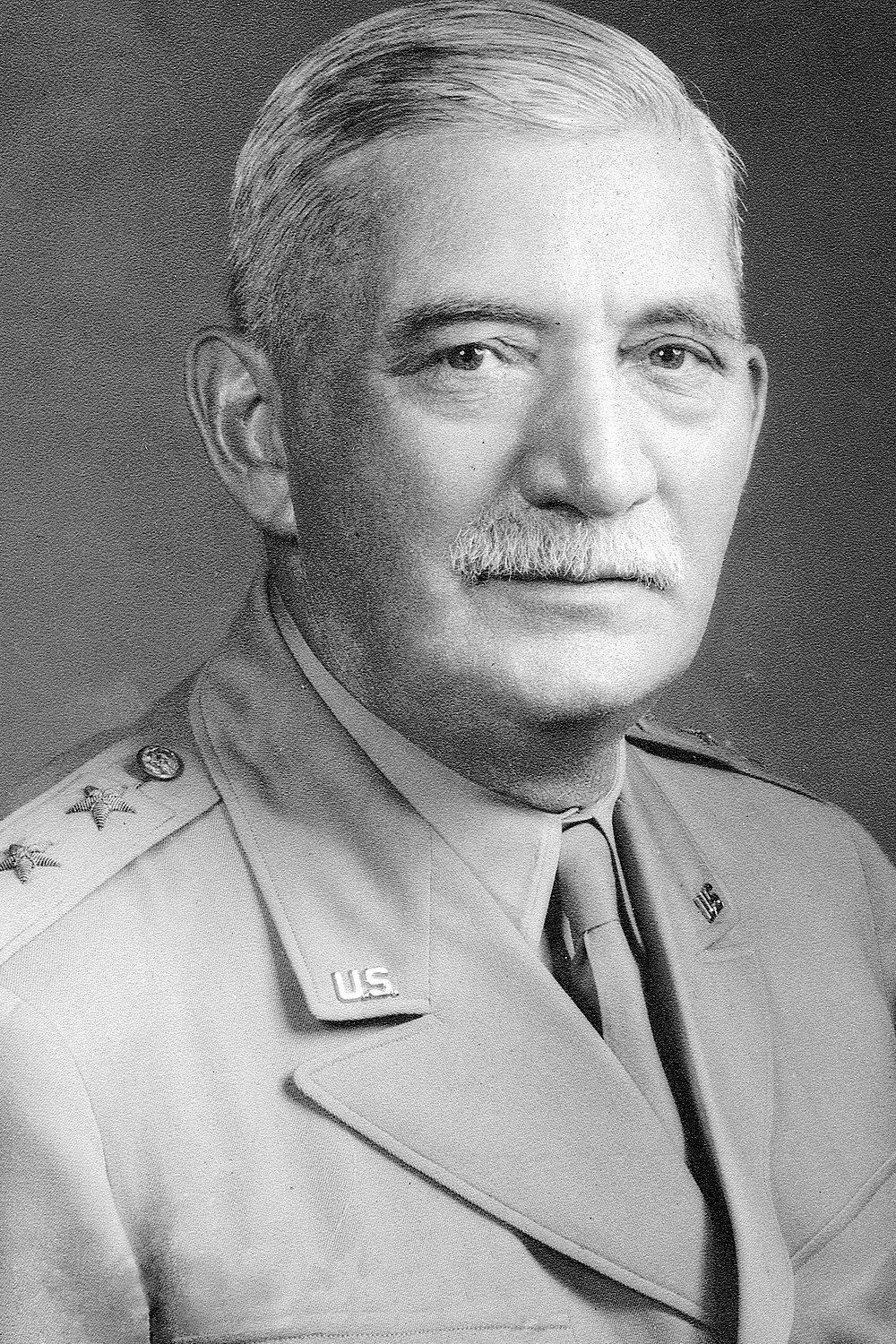
1947 - Sen. Edward Martin
Reflecting on Martin's 44-year military career, National Commander Harry Colmery praised the Keystone State senator as he presented him with the Distinguished Service Medal: "Today, The American Legion reaches into the state of Pennsylvania, and places in her gallery of the great, a distinguished son of that state, who, in arts and learning, military prowess, public service and administration, and statesmanship reflects the character of our American heritage."
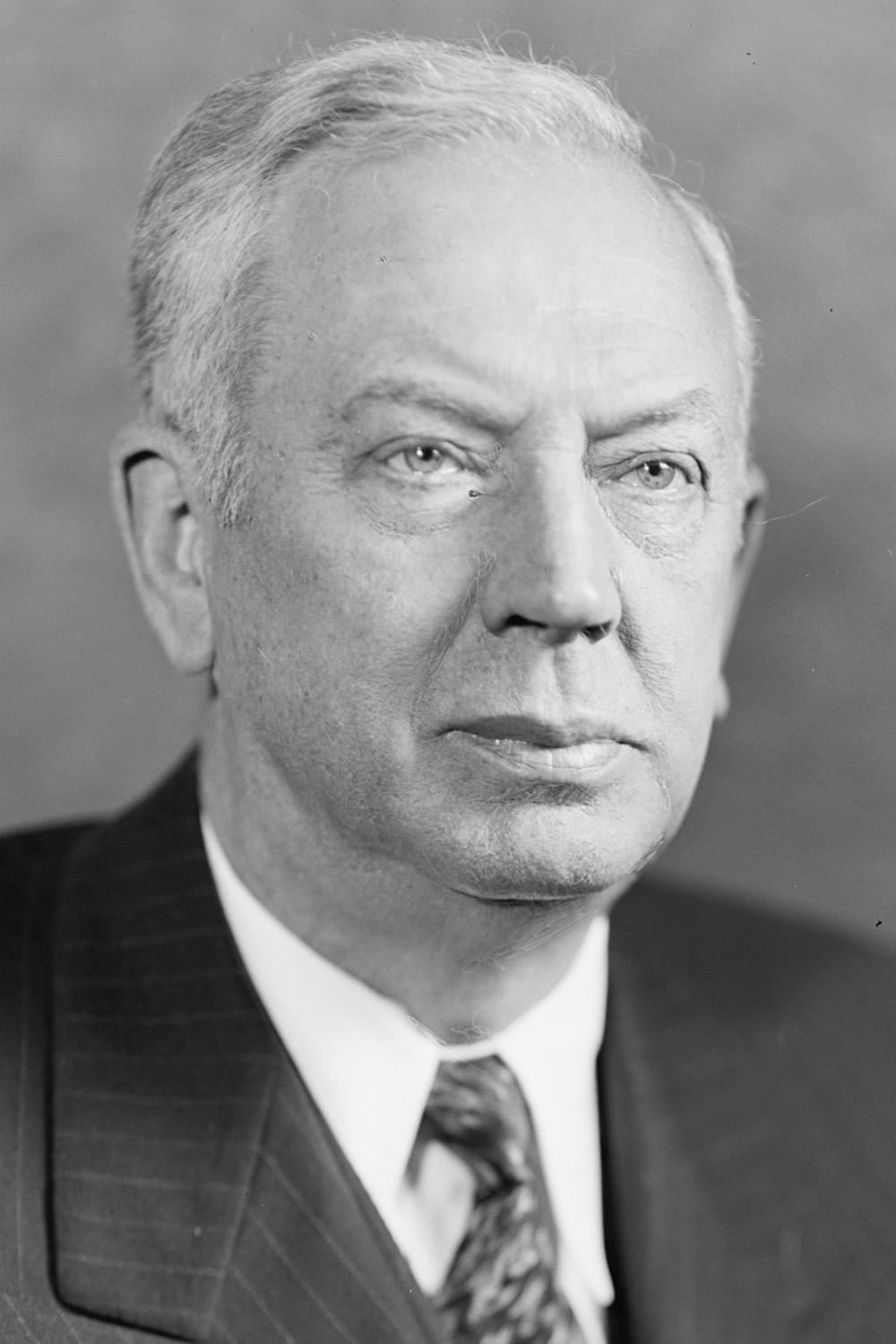
1946 - Bob Hope
Presenting the Distinguished Service Medal to Hope in 1946, Past National Commander John R. Quinn called the entertainer "the personal jester of every man and woman in uniform ... Wherever they were - in foxhole, Quonset hut, jungle or warship - he administered the toxin of cheer and laughter. ... He has flown one-half million miles to perform in the din of the front lines as well as in the hush of hospitals."
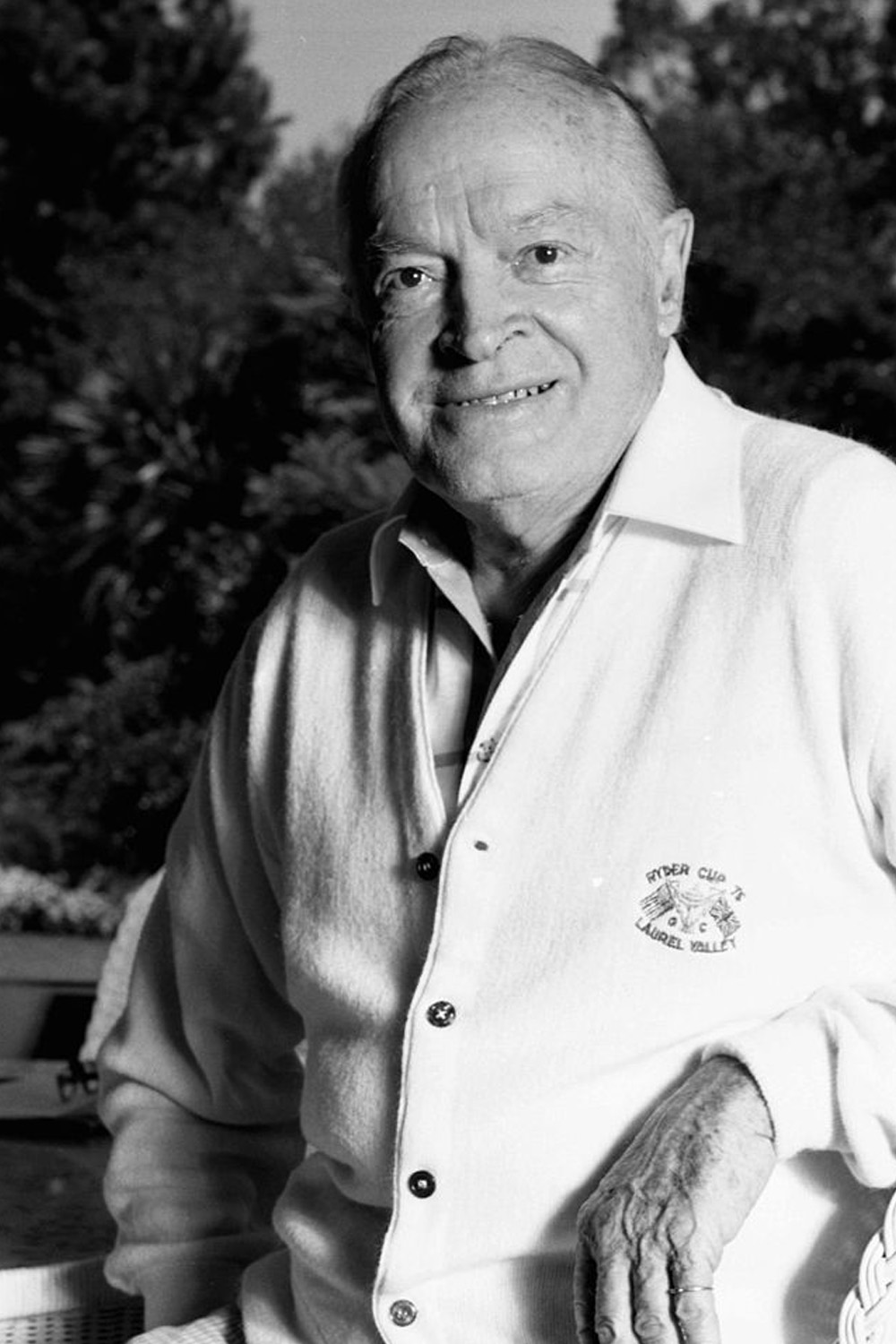
1946 - Cordell Hull
As a longtime chairman of the House Veterans Affairs Committee, Teague took pride in looking out for the welfare of veterans and their families, including their educations. For his work, Legionnaires presented him with the Distinguished Service Medal in 1970.
The congressman from Texas accepted the honor from National Commander J. Milton Patrick, who said Teague had helped "bring equity and justice to the Veterans Benefits Program."
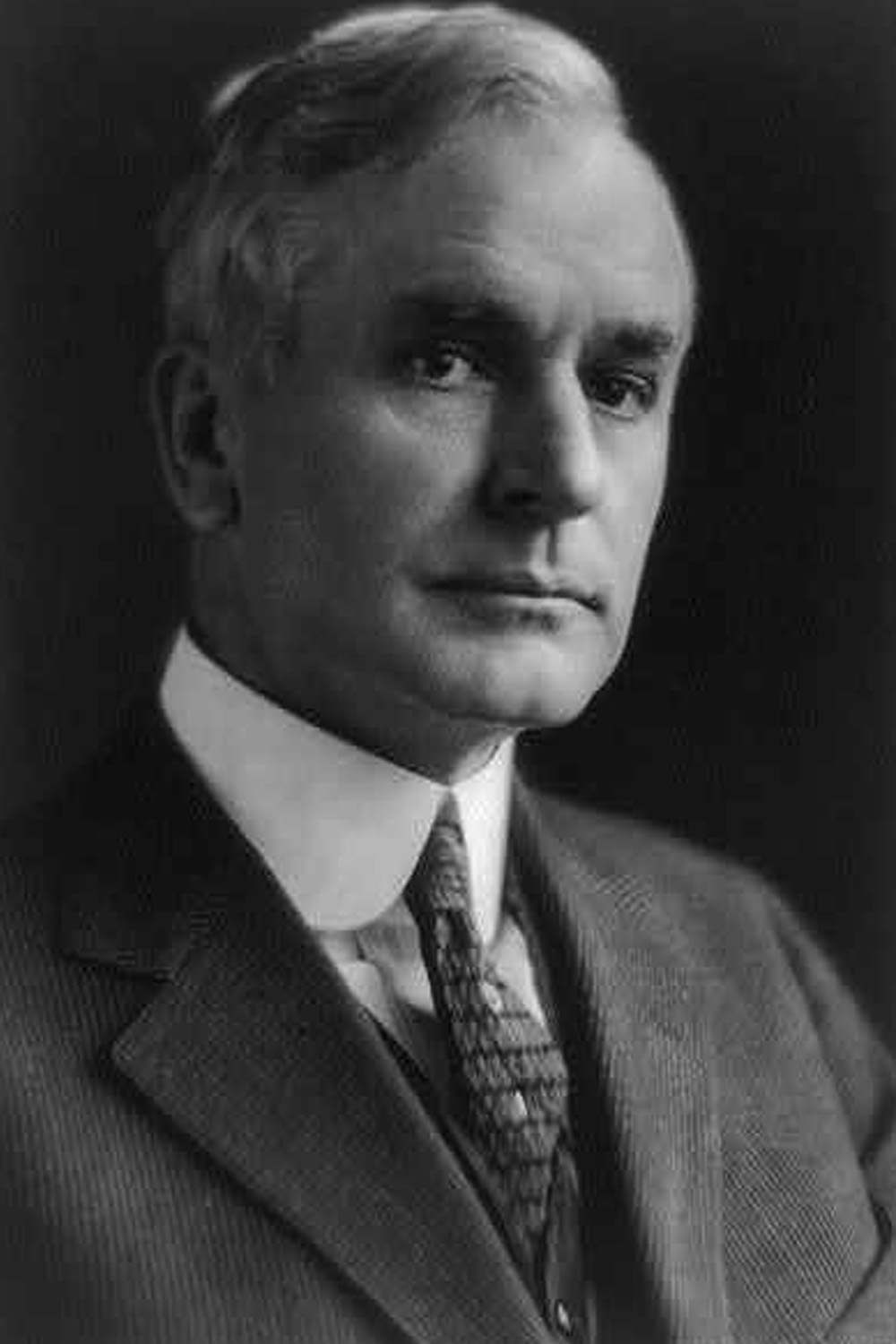
1946 - J. Edgar Hoover
Awarding the Distinguished Service Medal to the FBI director in 1946,Past National Commander Frank Belgrano Jr. said that thanks to Hoover's work, "not one single act of enemy saboteurs or espionage agents was successful. On the first day of World War I, 62 dangerous enemy agents were arrested. Within the first 24 hours of World War II, 1,700 key figures of the enemy's fifth column were taken into custody, and this figure rose to more than 16,000 before the war was over."
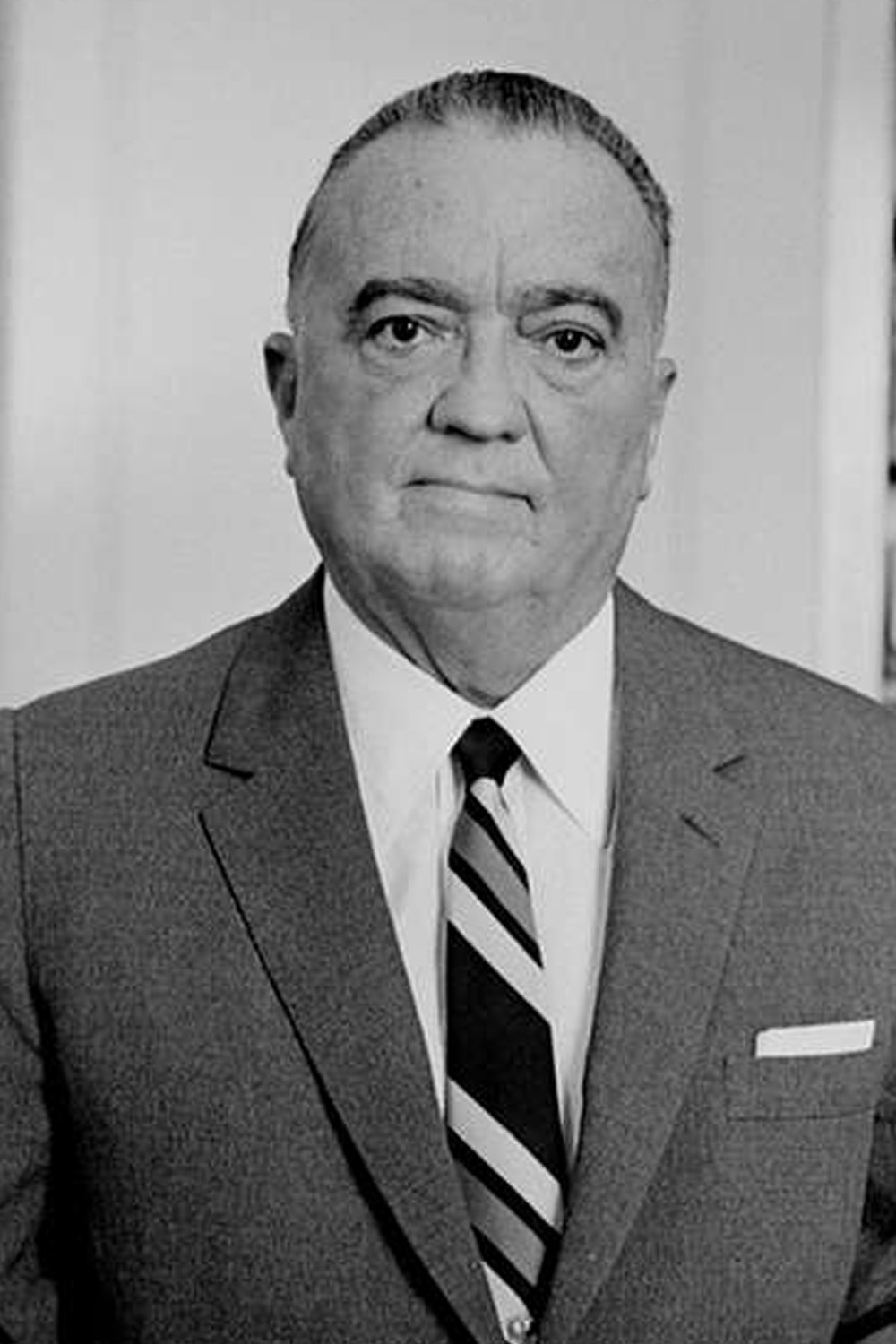
1946 - Maj. Gen. Lewis B. Hershey
As director of the Selective Service System, Hershey was responsible for the veteran status of many of the Legionnaires he addressed at the 1946 convention. Presenting him with the Distinguished Service Medal, incoming National Commander Paul Griffith recognized Hershey for growing the military during World War II.
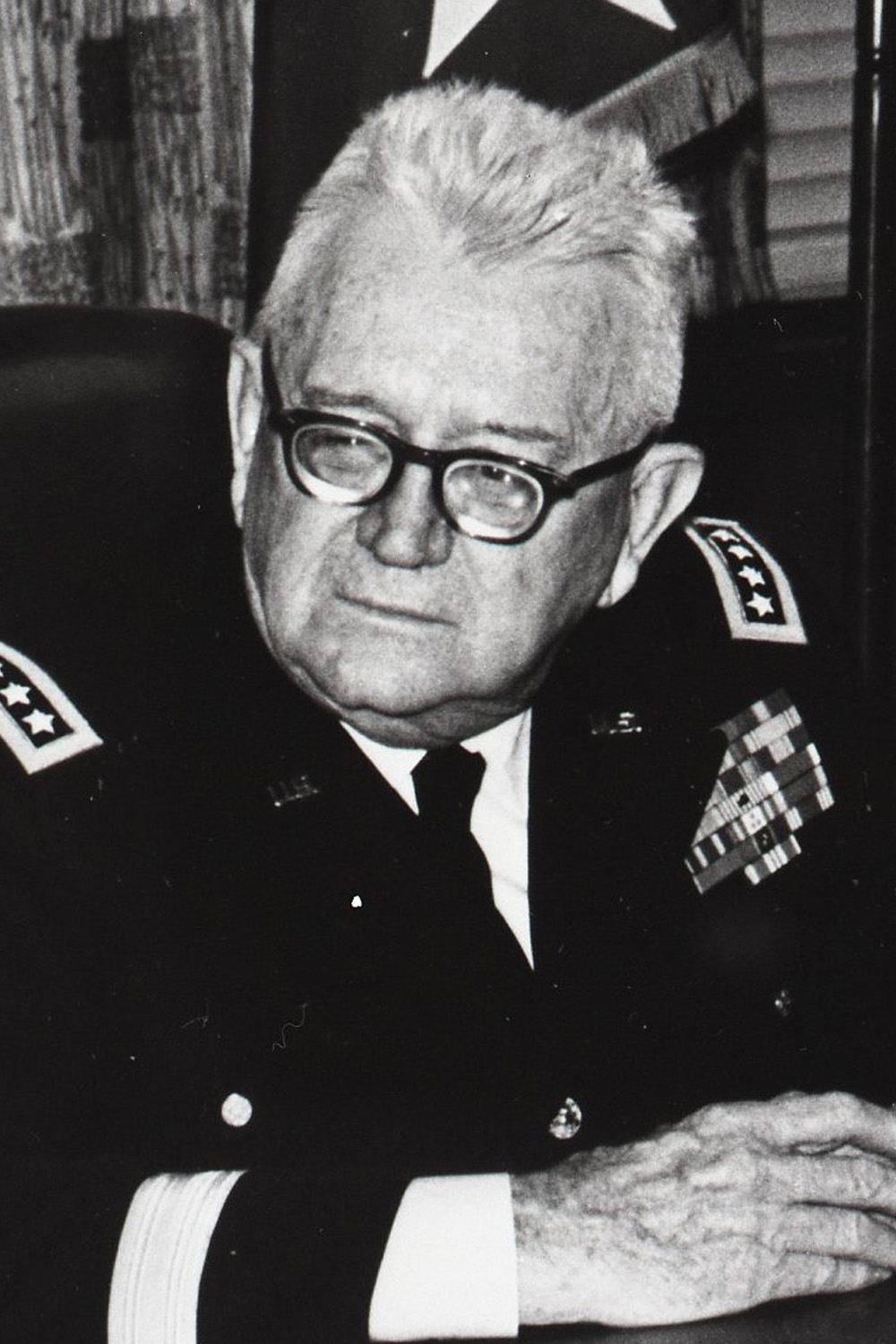
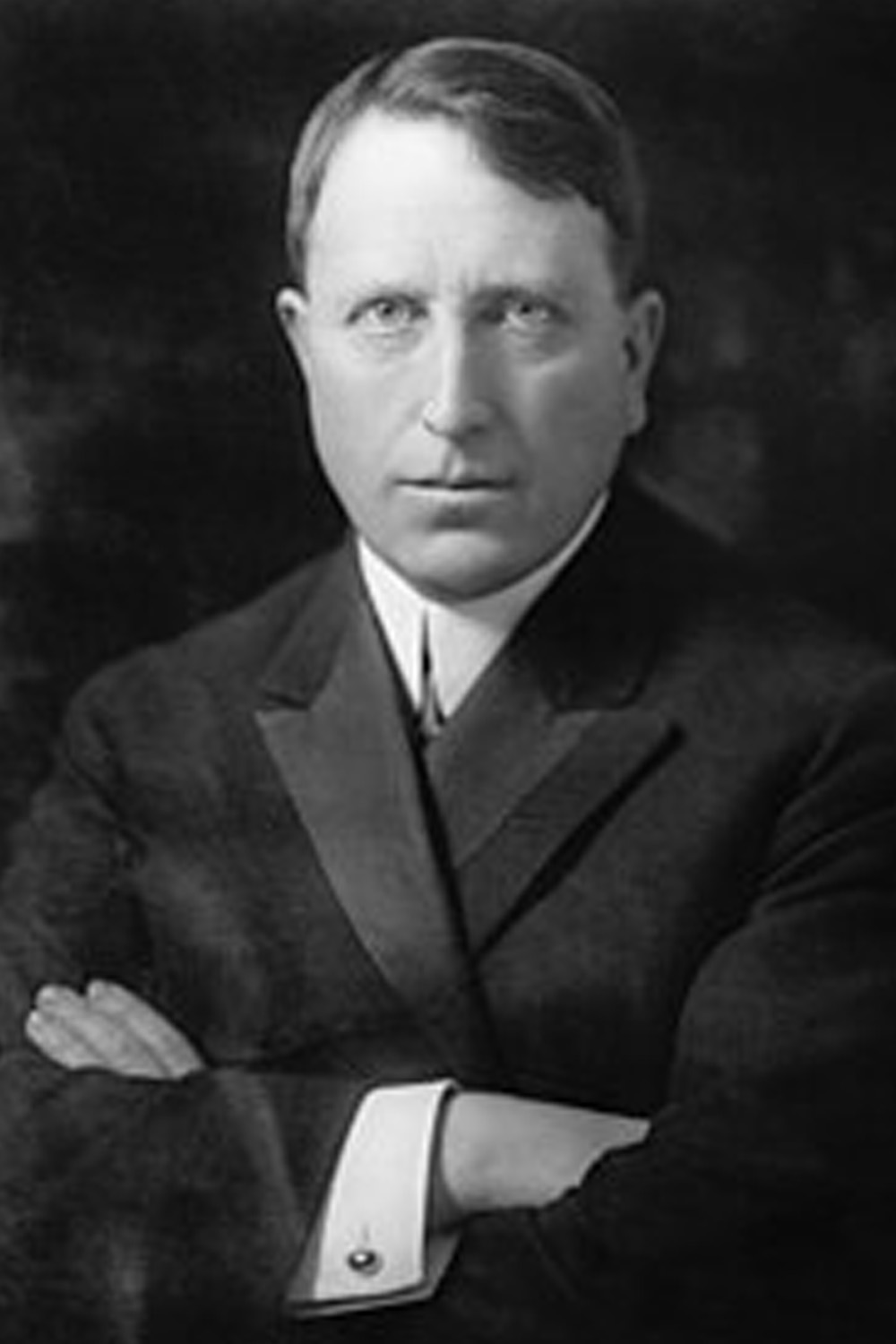
1946 - William Randolph Hearst
A strong proponent of The American Legion, Hearst received one of five Distinguished Service Medals in 1946. The National Executive Committee unanimously resolved that Hearst "has been a constant champion of the rights of veterans for the past 26 years, and has demonstrated an intense patriotism in his unselfish support of the program and principles of The American Legion."
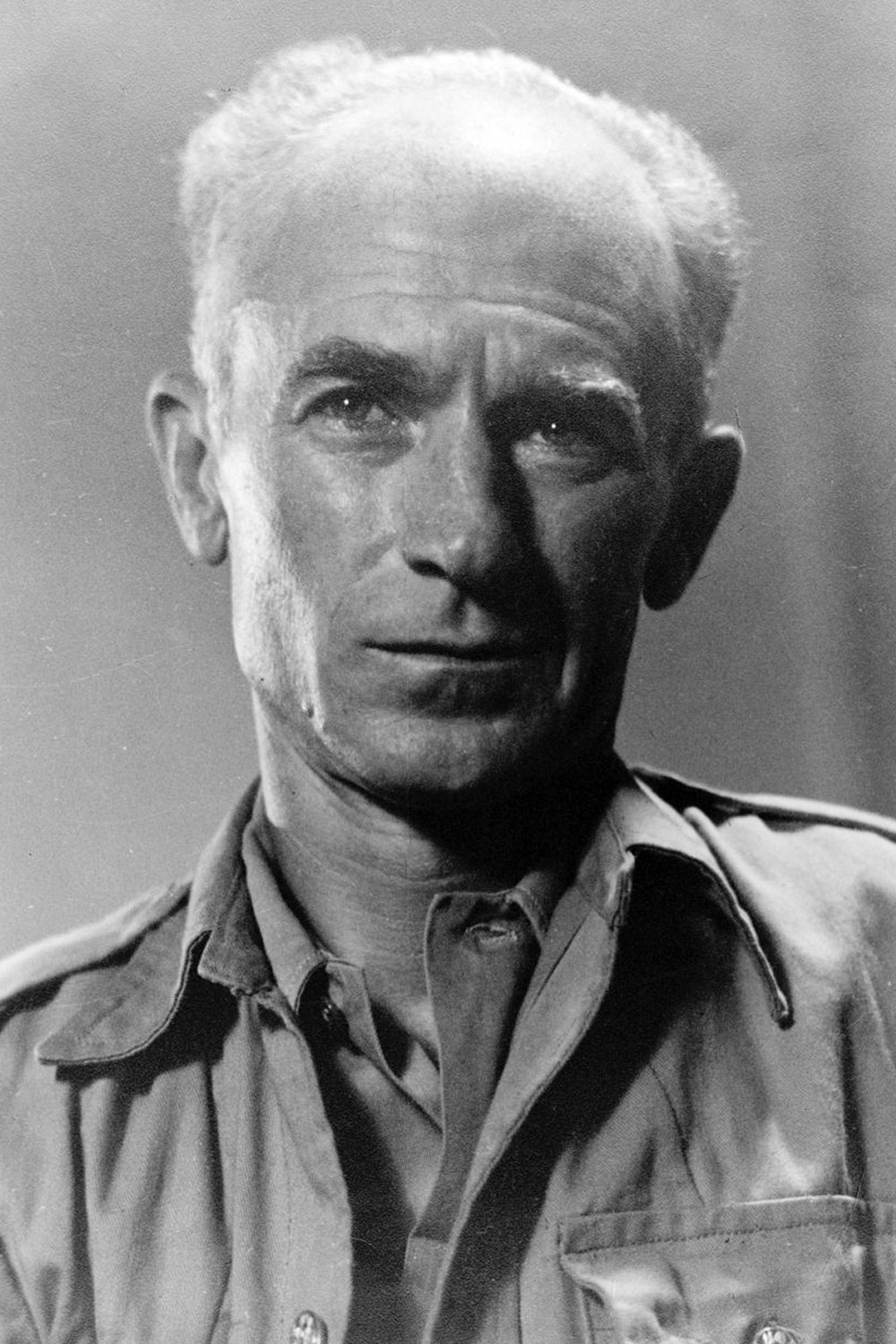
1945 - Ernie Pyle
Shaped by the simplicity of his childhood days in Indiana, wartime journalist Ernie Pyle had a knack for telling the stories of the common person as he traveled across the nation. He did the same from the battlefields of World War II, until his death on Ie Shima in April 1945.
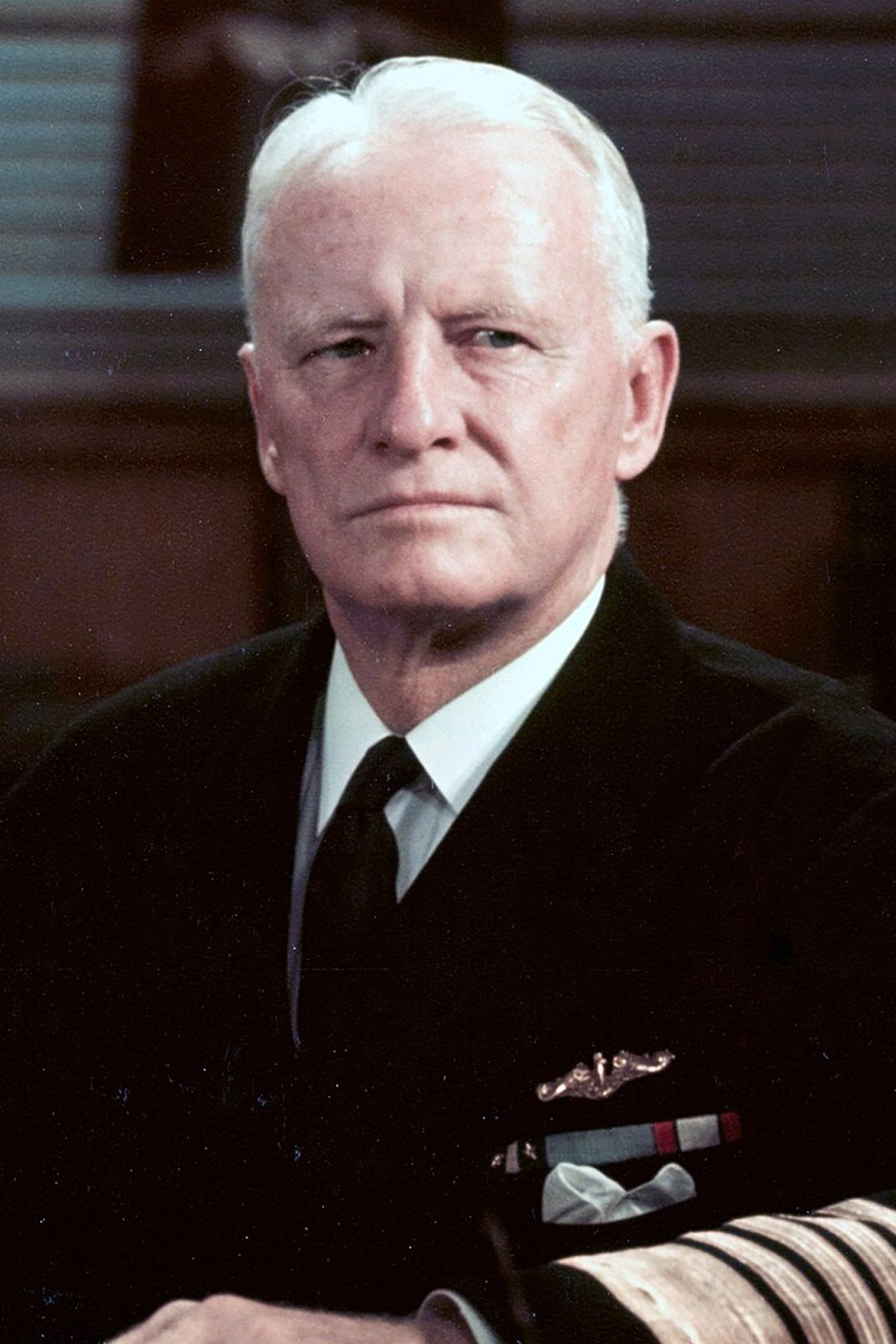
1945 - Fleet Adm. Chester W. Nimitz
"When war came in the Pacific, those of us who follow the military profession had a job to do for which we had been trained all our lives," said Nimitz, receiving the Distinguished Service Medal at The American Legion's national convention in 1945. "Not so with the great majority of those who made up the conquering American forces. Overwhelmingly this war was fought and won by amateurs: citizen sailors, soldiers and Marines.
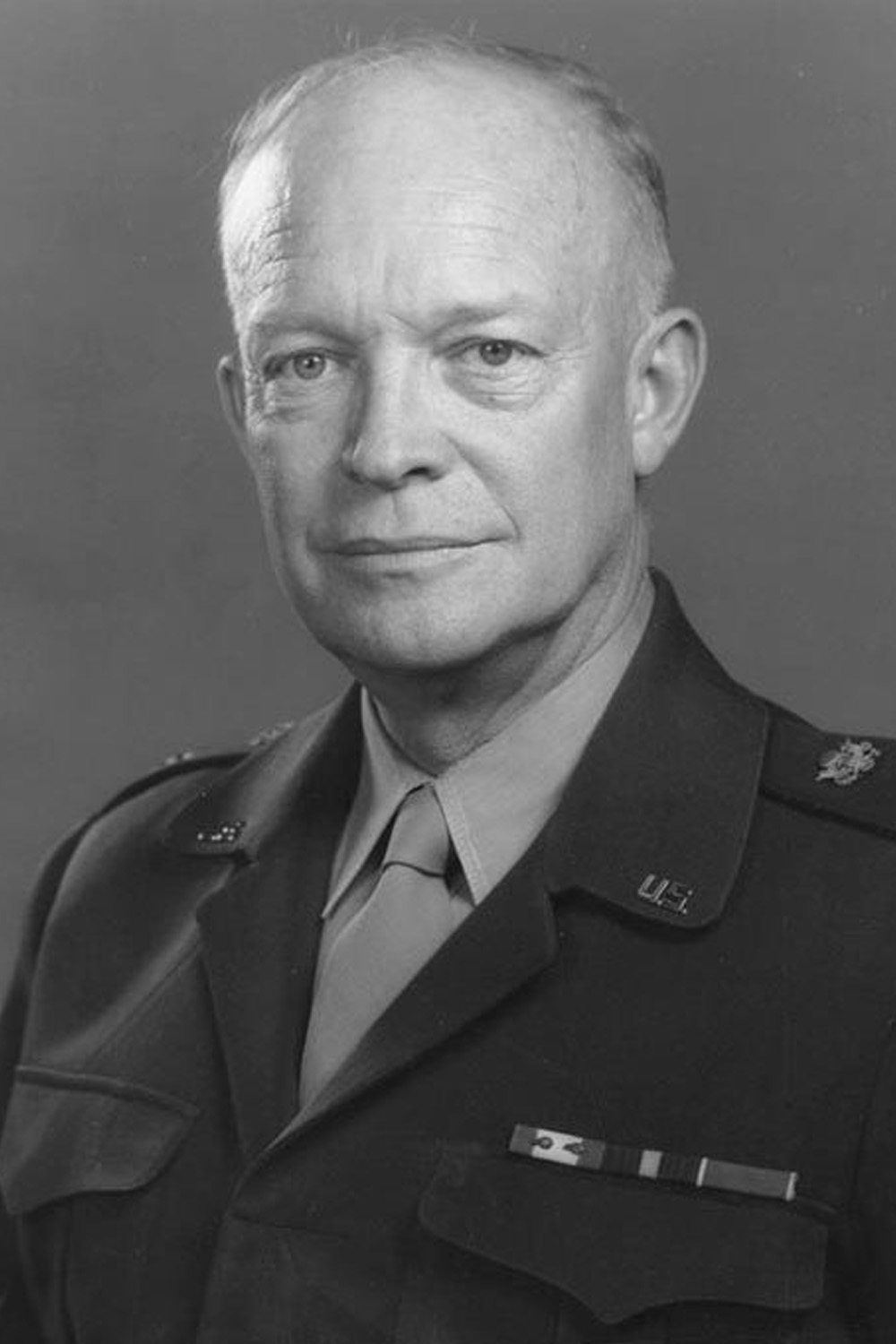
1945 - Gen. Dwight D. Eisenhower
At The American Legion's national convention in 1945, National Commander Edward Scheiberling hailed Eisenhower for leading more than 5 million U.S. and Allied fighting men "in the world's greatest combat effort to freedom's most memorable victory. To this supreme war effort you gave a leadership that fired your troops to immortal daring. It also inspired all of us on the homefront to carry on with increased devotion.
"We are proud to count you as a life member of our Abilene, Kan., post."
1945 - Gen. Theodore Roosevelt Jr.
In 1919, after fathering for the creation of The American Legion, Roosevelt fought off all efforts to be elected national commander. A quarter of a century later, his widow, Eleanor, accepted a Distinguished Service Medal on her husband's behalf.
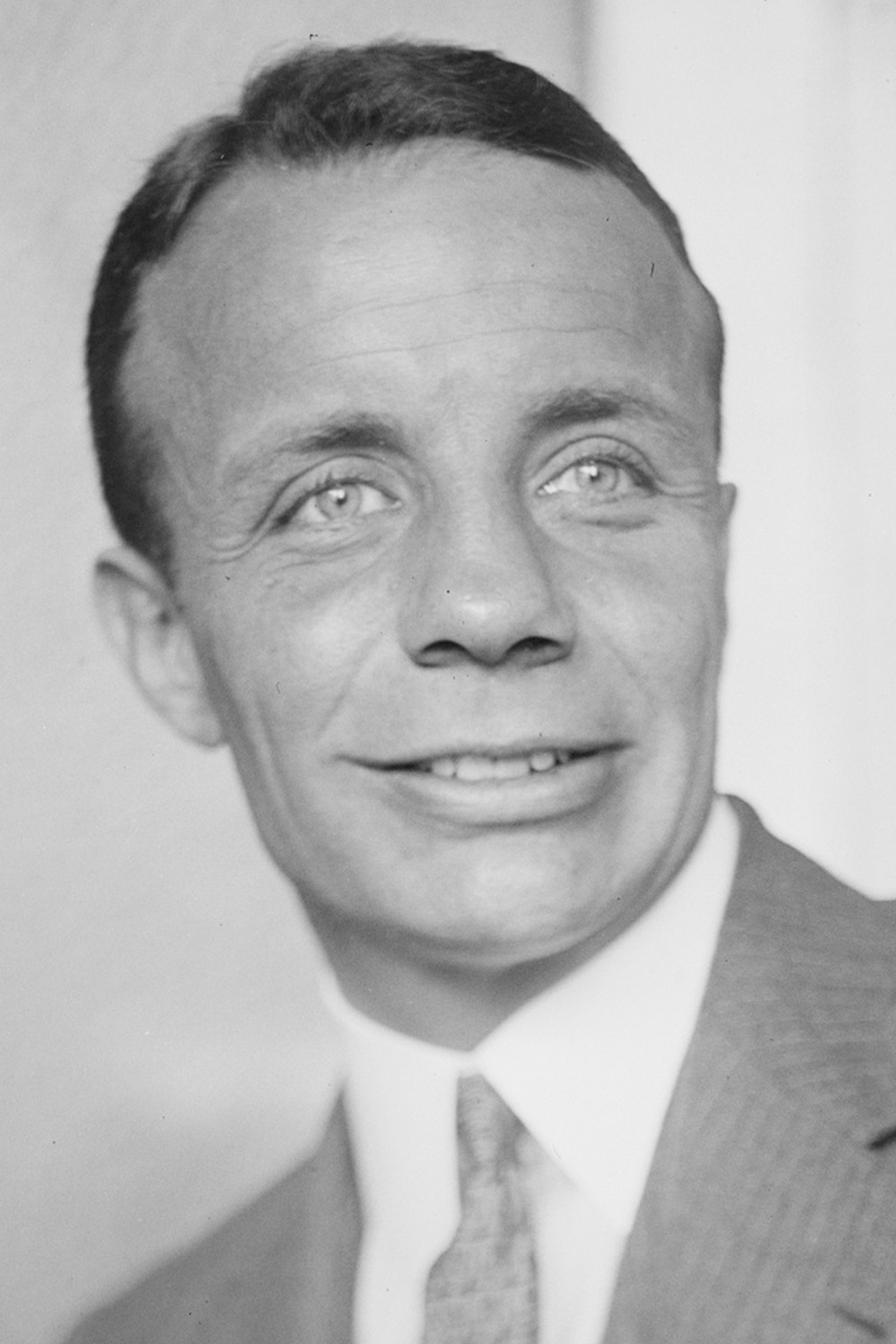
1945 - Henry L. Stimson
At The American Legion's 1945 convention, Past National Commander Roane Waring said Stimson was widely known as "a distinguished soldier of World War I, a cabinet member under three presidents and our wartime secretary in America's greatest crisis. But we of the Legion know and admire him well as a Legionnaire."
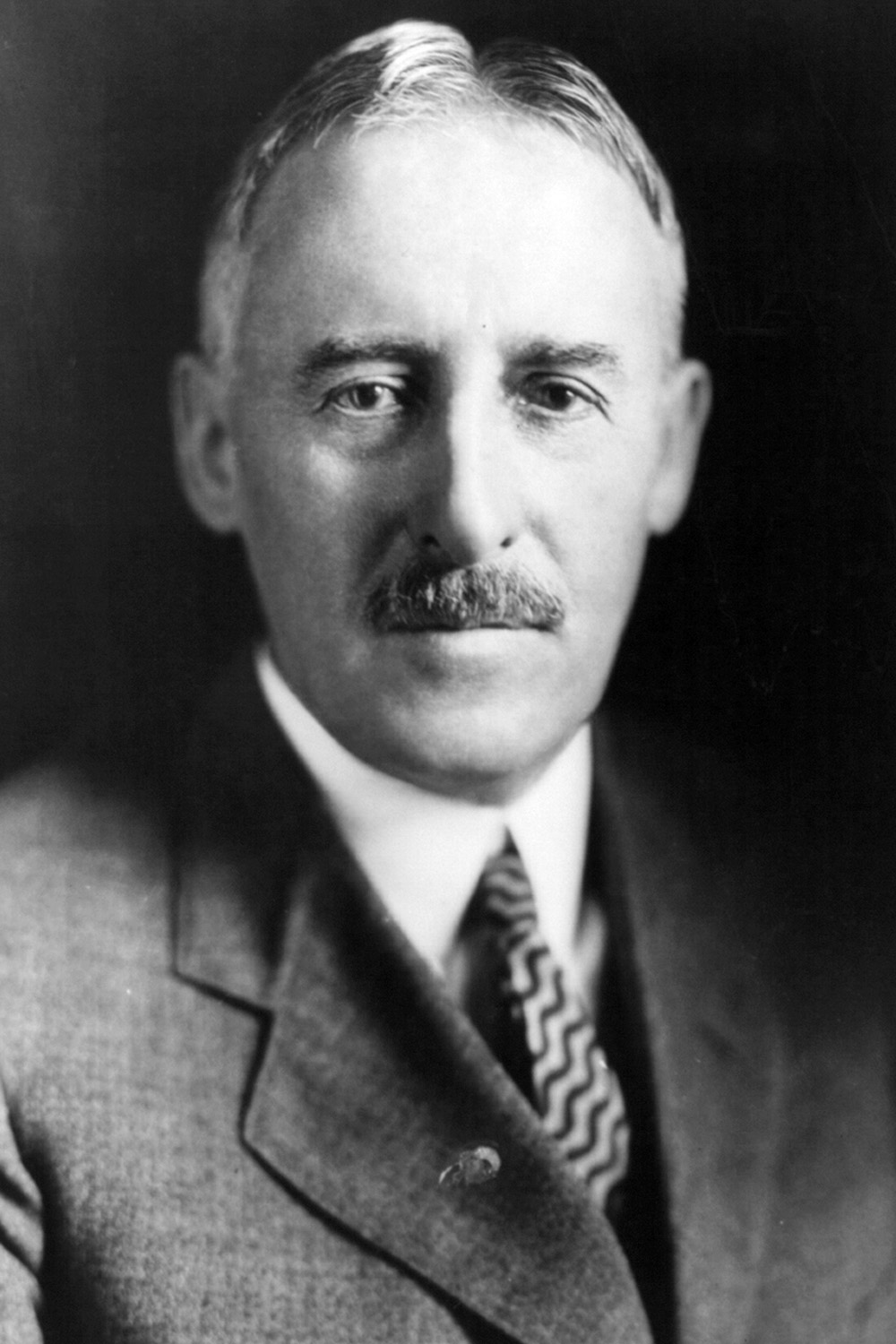
1945 - President Franklin D. Roosevelt
A man not without critics, especially for his post-Depression domestic policies, Roosevelt enjoyed the support of the military during his dozen years as commander in chief. A few months after his death, The American Legion awarded him the Distinguished Service Medal.
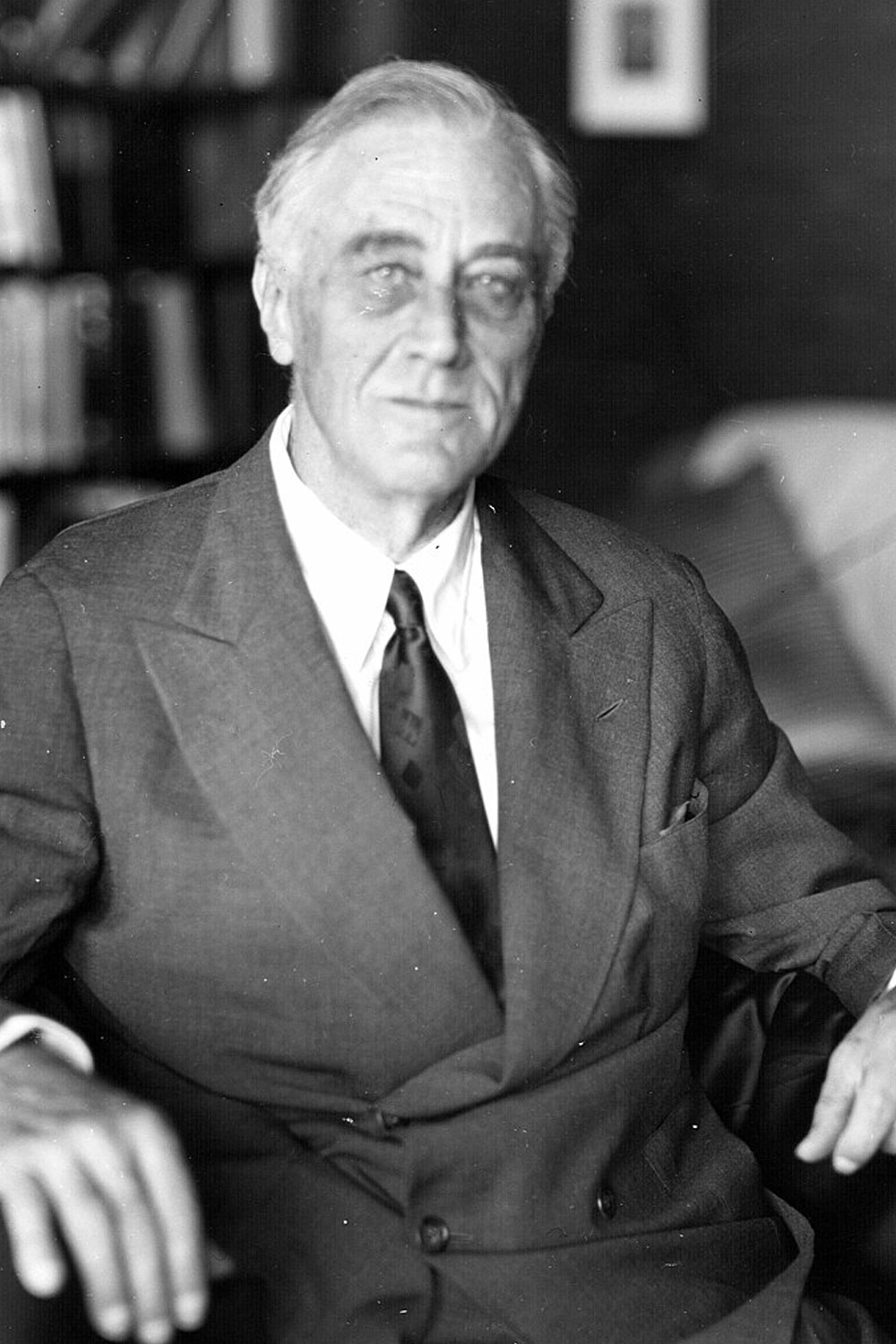
1944 - Frank Knox
Knox died of a heart attack at 70, just a few months before his widow, Annie, accepted on his behalf the Legion's first posthumous Distinguished Service Medal. Had he lived one more year, the Navy secretary would have seen the nation claim victory in World War II.
John L. Sullivan, assistant secretary of the Treasury and a past department commander of the New Hampshire Legion, said of his close friend: "He served his country in three wars ... He died as he had lived, giving the last measure of his very being to the service of his country."
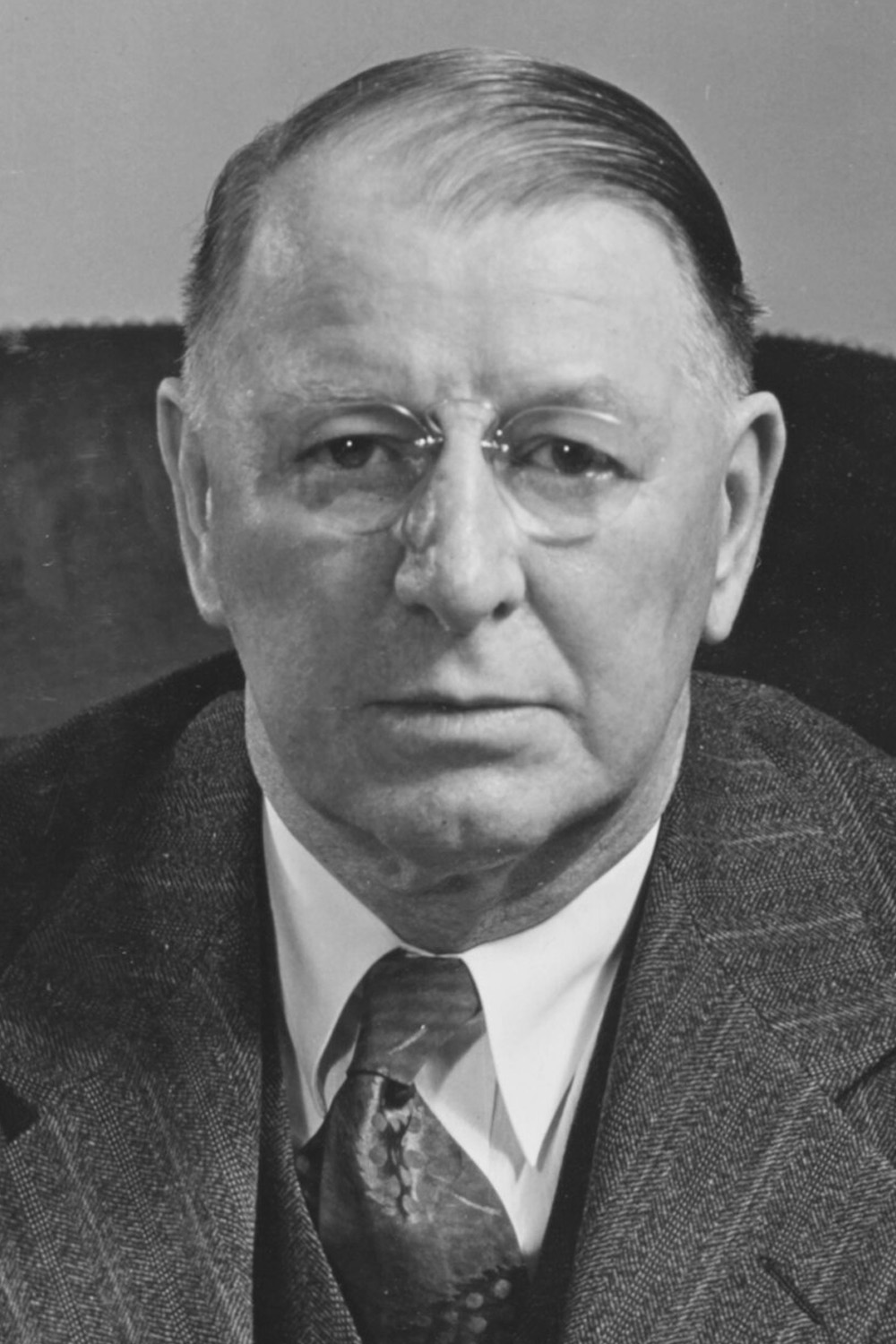
1944 - Gen. Henry H. "Hap" Arnold
From his days as a flight student of the Wright Brothers to commanding general of the Army Air Forces, Arnold had enjoyed a lengthy career by the time of The American Legion's 1944 convention. One of three recipients of the Distinguished Service Medal that year, Arnold was honored for his "outstanding contributions to the cause of national defense and the development of American air power," and expansion of the Army Air Forces from 21,000 in 1938 to a war strength of 2.4 million in 1944.
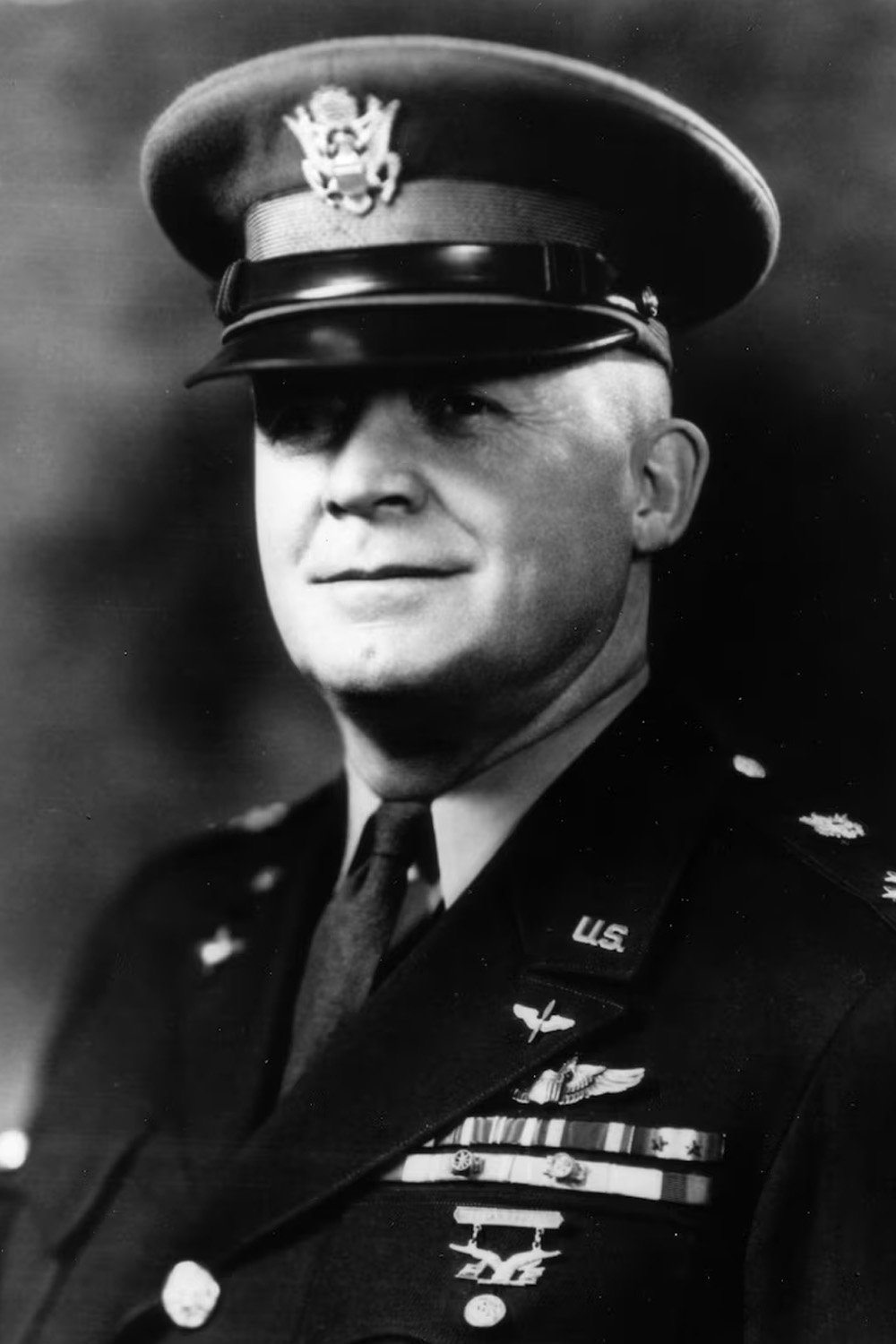
1944 - Henry Ford
More than the "car man" and assembly-line proponent, Ford was a great friend of The American Legion, which honored him as one of three Distinguished Service Medal winners in 1944.
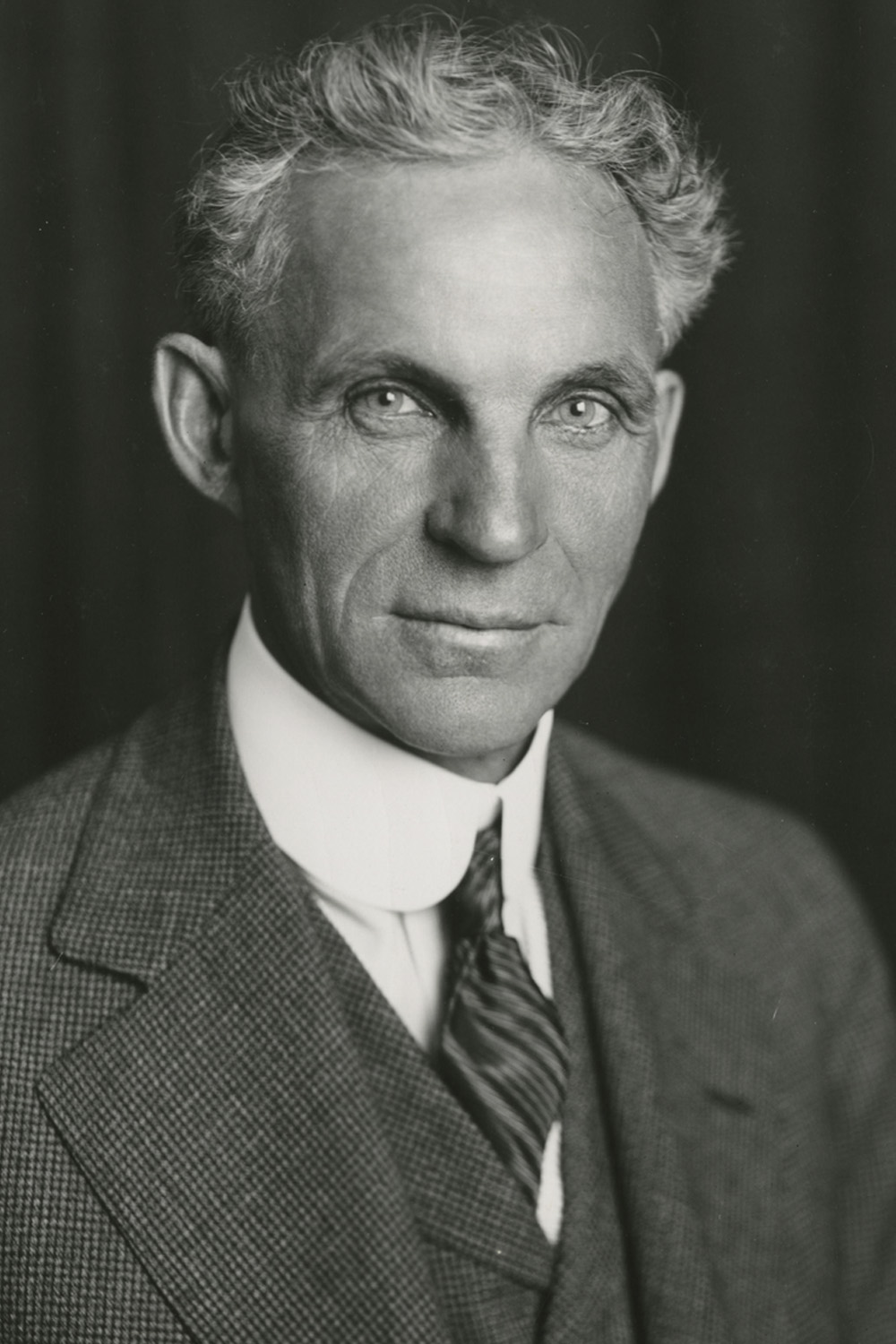
1943 - Adm. Ernest J. King
As the second Distinguished Service Medal honoree at The American Legion's national convention in 1943, King - commander of the U.S. Fleet and chief of naval operations - said, "It is my conviction that the action of the Legion, in conferring this signal award, will serve to confirm to all officers and men of the Navy, Marine Corps and Coast Guard - and to our country and our allies, even to our enemies - that our fellow citizens, veterans of another great war, believe in us and our will to win."
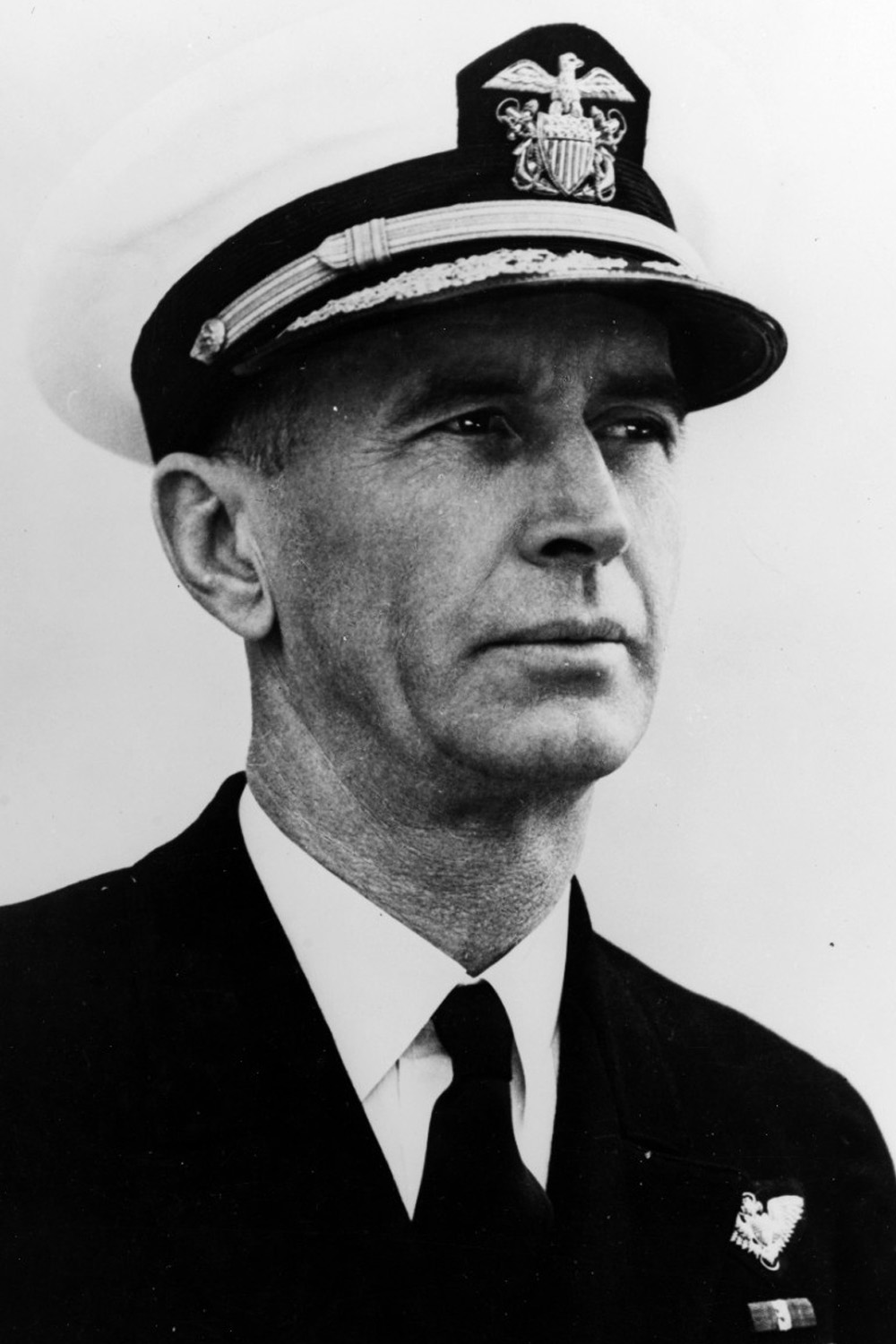
1943 - Gen. George C. Marshall
Receiving the Distinguished Service Medal at The American Legion's national convention in 1942, Marshall, the Army's chief of staff, said of his job, "My consideration is for the American soldier, to see that he has every available means with which to make successful war: that he is not limited in ammunition, that he is not limited in equipment, and that he has sufficient training and medical care ... to see that for the first time, for once in history, he is given a fair break in the terrible business of making war."
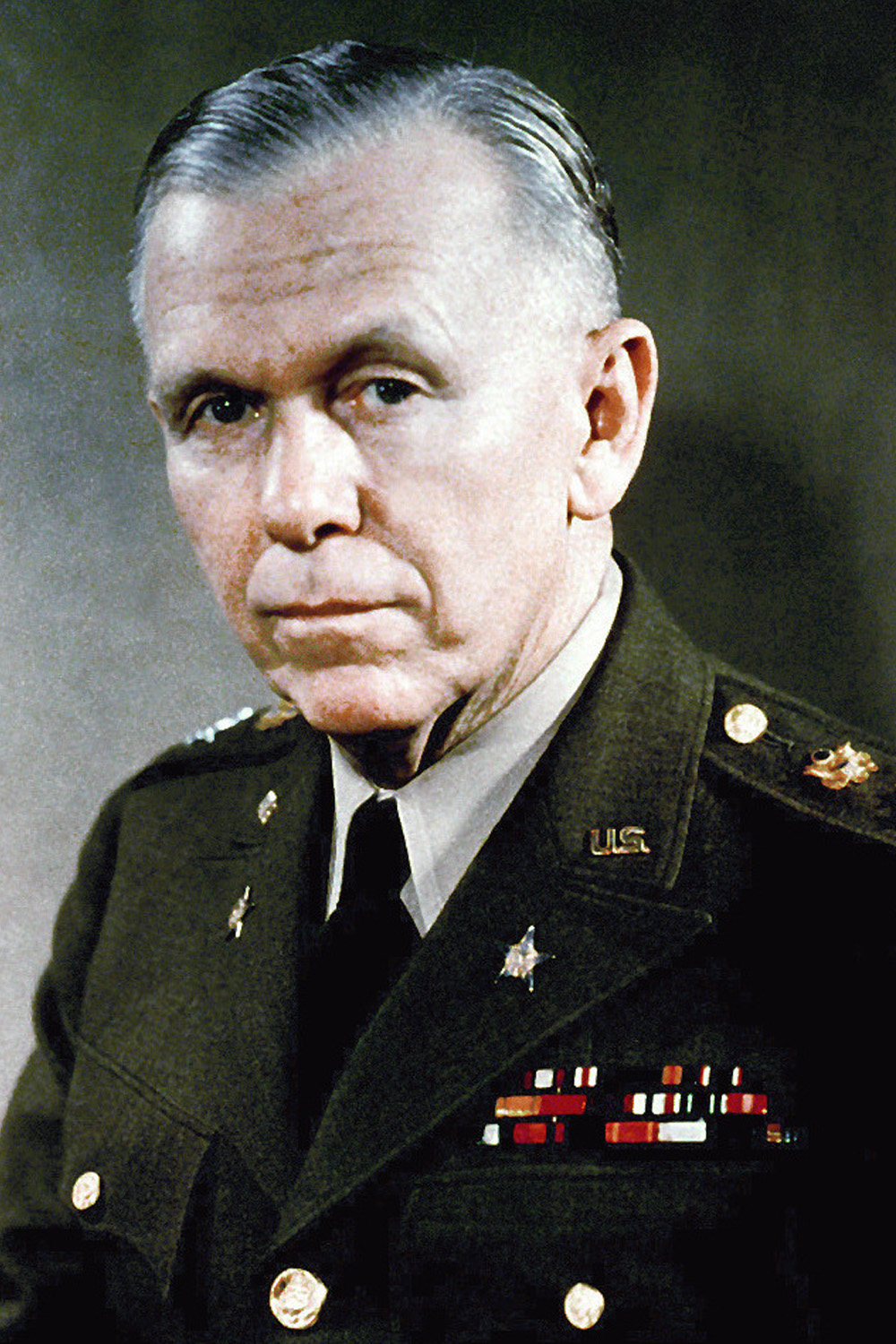
1942 - Gen. Douglas A. MacArthur
When he received The American Legion's Distinguished Service Medal in1942, Gen. Douglas A. MacArthur had already served as chief of staff of the U.S. Army, retired from active service, served as adviser to the Philippines, and returned to active duty as supreme Allied commander of U.S. forces in the Pacific.
In Australia during the Legion's convention, MacArthur was represented in Kansas City, Mo., by Maj. Gen. James A. Ulio, the Army's adjutant general.
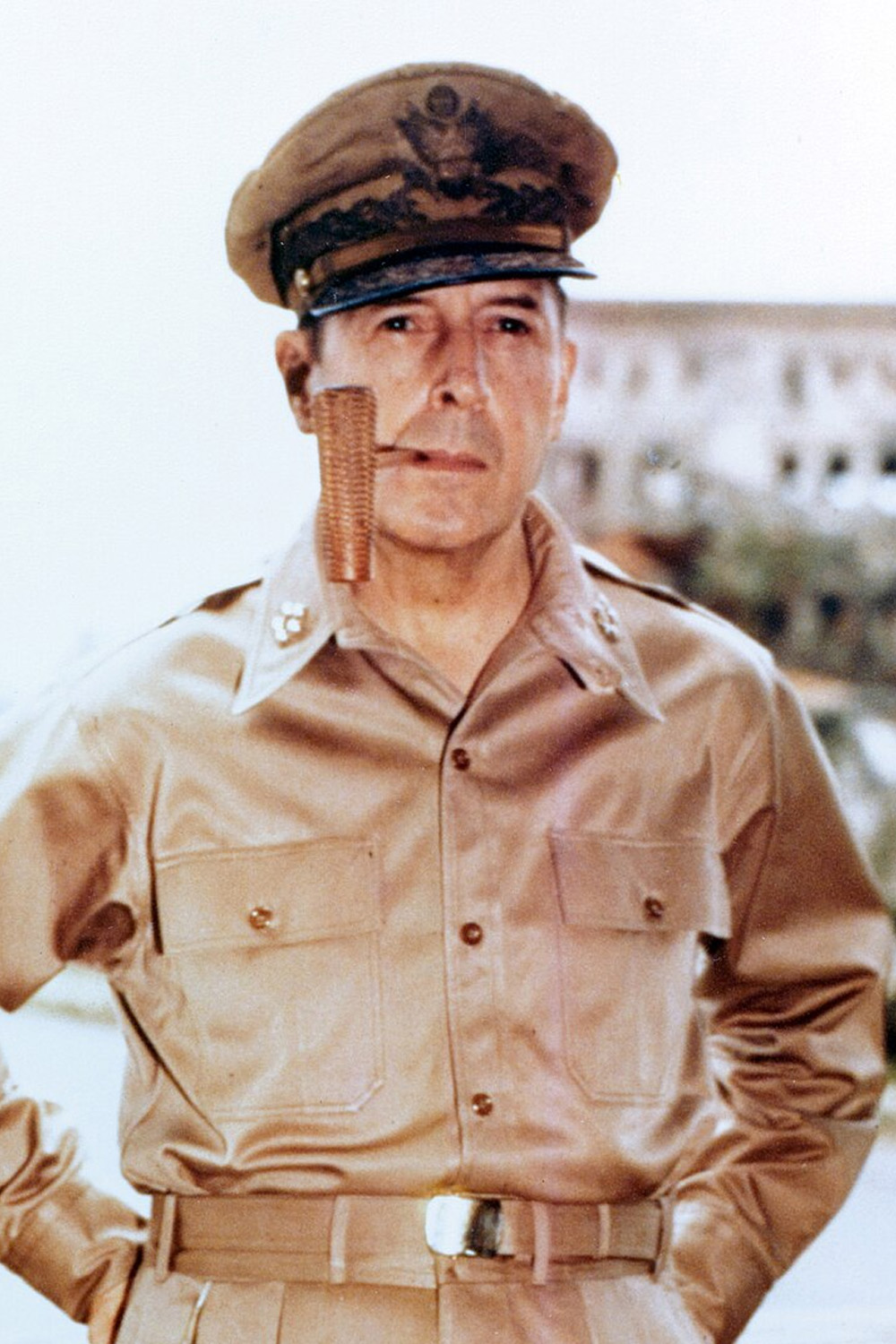
1930 - Adm. William S. Sims
A native of Canada, a graduate of the U.S. Naval Academy and a two-time president of the Naval War College, Sims received The American Legion's Distinguished Service Medal in 1930. The Legion's National Executive Committee called him "a man whose leadership, whose courage and whose efficient service was most vital to our military success in the World War."
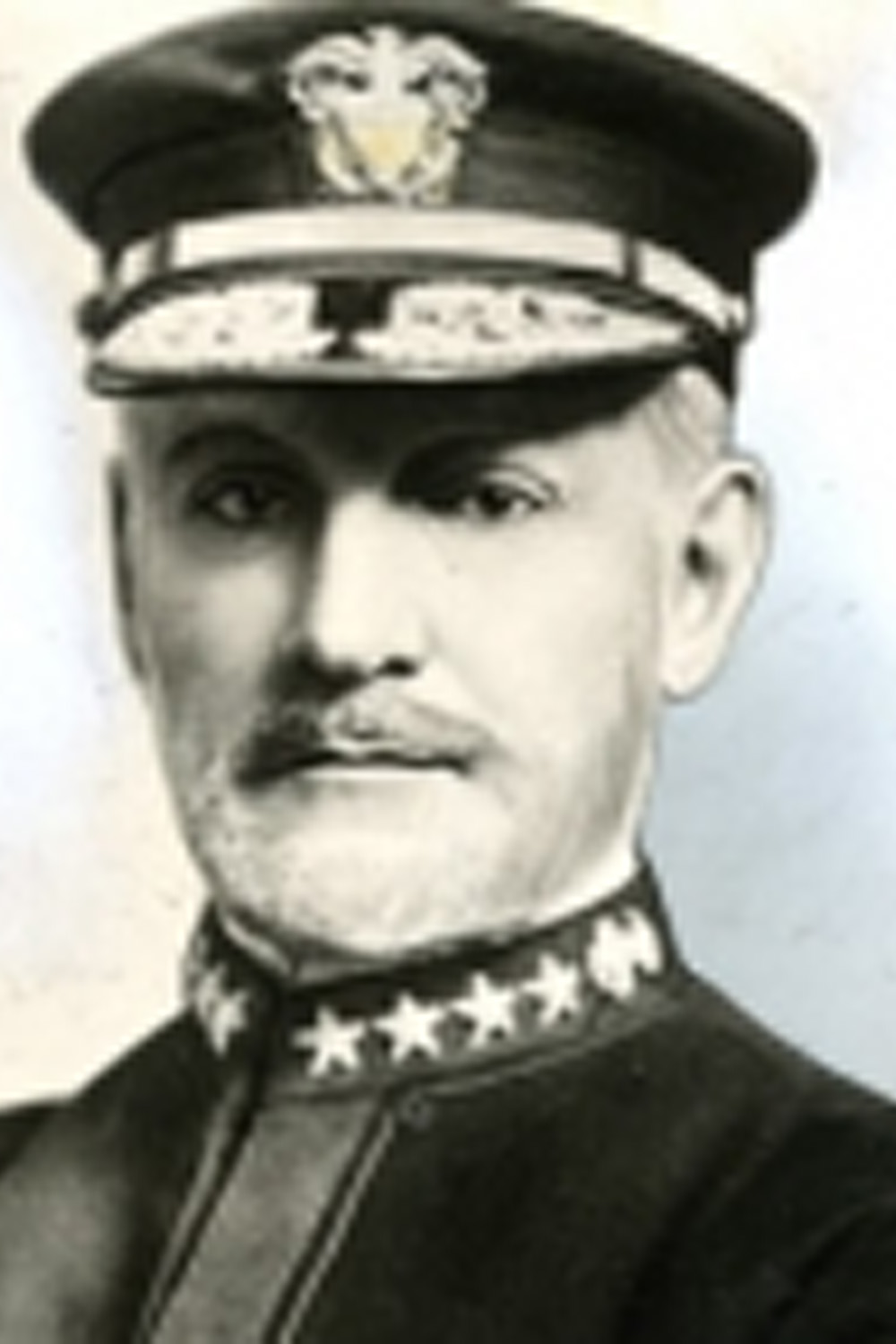
1929 - Judge Kenesaw Mountain Landis
Judge, Major League Baseball commissioner and friend of The American Legion, Kenesaw Mountain Landisreceived the Legion's Distinguished Service Medal in 1929. Presenting the award, National Commander Paul V. McNutt told Landis, "Since the inception of the Legion, in its legislative program, in its endowment-fund campaign to aid our disabled comrades and orphans of the war and in its Americanism programs, you have responded instantly to every call the Legion has made upon you."
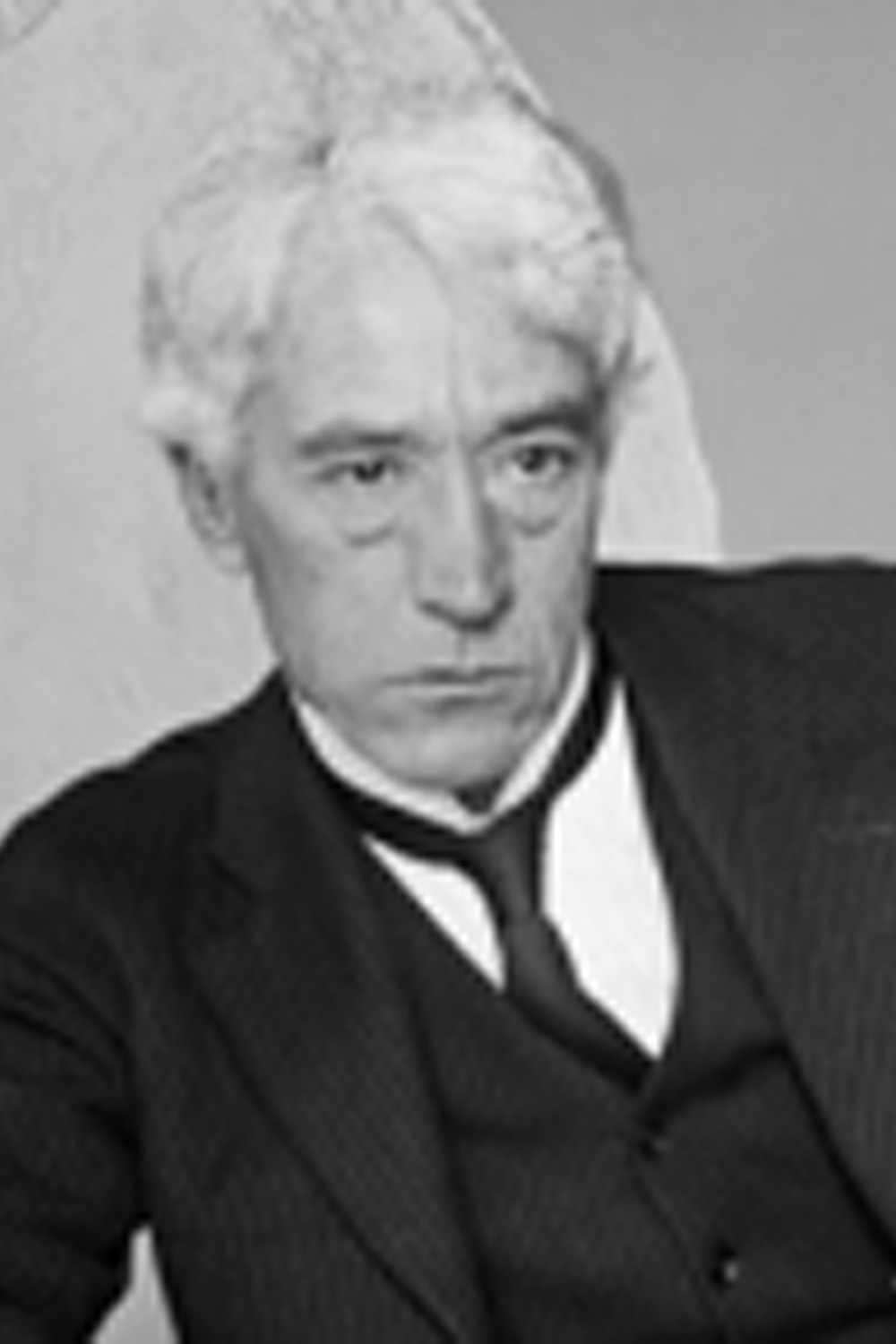
1928 - Field Marshal Edmund Henry Hynman (1st Viscount) Allenby
Great Britain's role in World War I received special recognition from The American Legion in 1928. At their annual convention in San Antonio, Legionnaires honored Field Marshal Edmund Henry Hynman Allenby, whose military fame included his leadership of the Egyptian Expeditionary Force in the conquest of Palestine and Syria in 1917 and 1918. Accustomed to a leader who commanded from afar, Allenby's troops appreciated his frequent presence on the front line. In 1919, he was made a field marshal and earned the distinction of viscount.
1927 - Comte Francois Marie Robert Dejean
Eight years after the Legion's founding in Paris, its members assembled again in France, and they conferred the Distinguished Service Medal upon Dejean with the distinction "that he be authorized to wear this insignia for life." Convention planners had the help of Dejean, chief of the American section of France's Ministry of Foreign Affairs, in overcoming the language barrier.
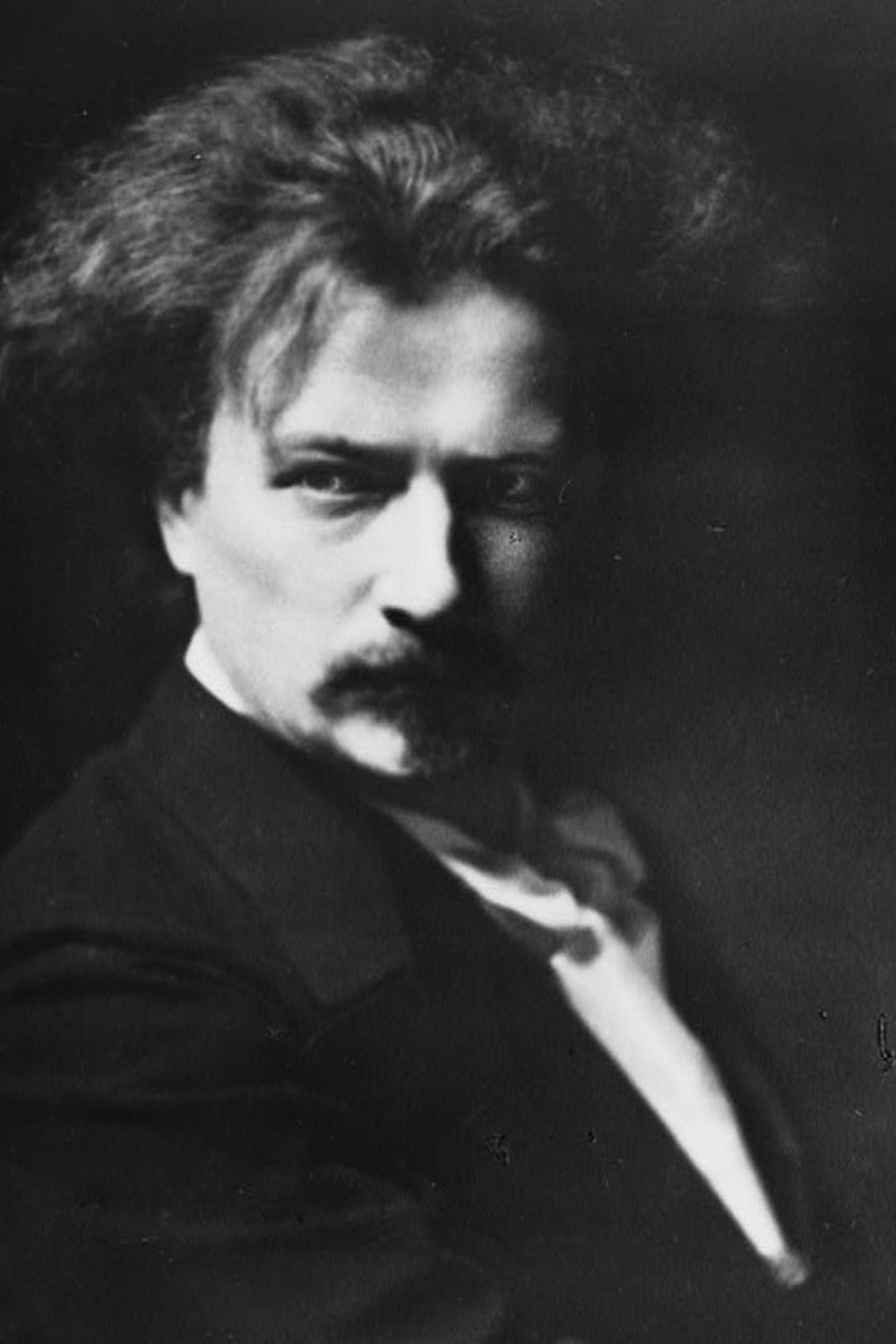
1926 - Ignace Jan Paderewski
A Polish patriot, statesman and accomplished musician, Paderewski was the largest individual donor to The American Legion Endowment Fund for the Disabled and Orphans of Veterans before receiving the Legion's Distinguished Service Medal in 1926.
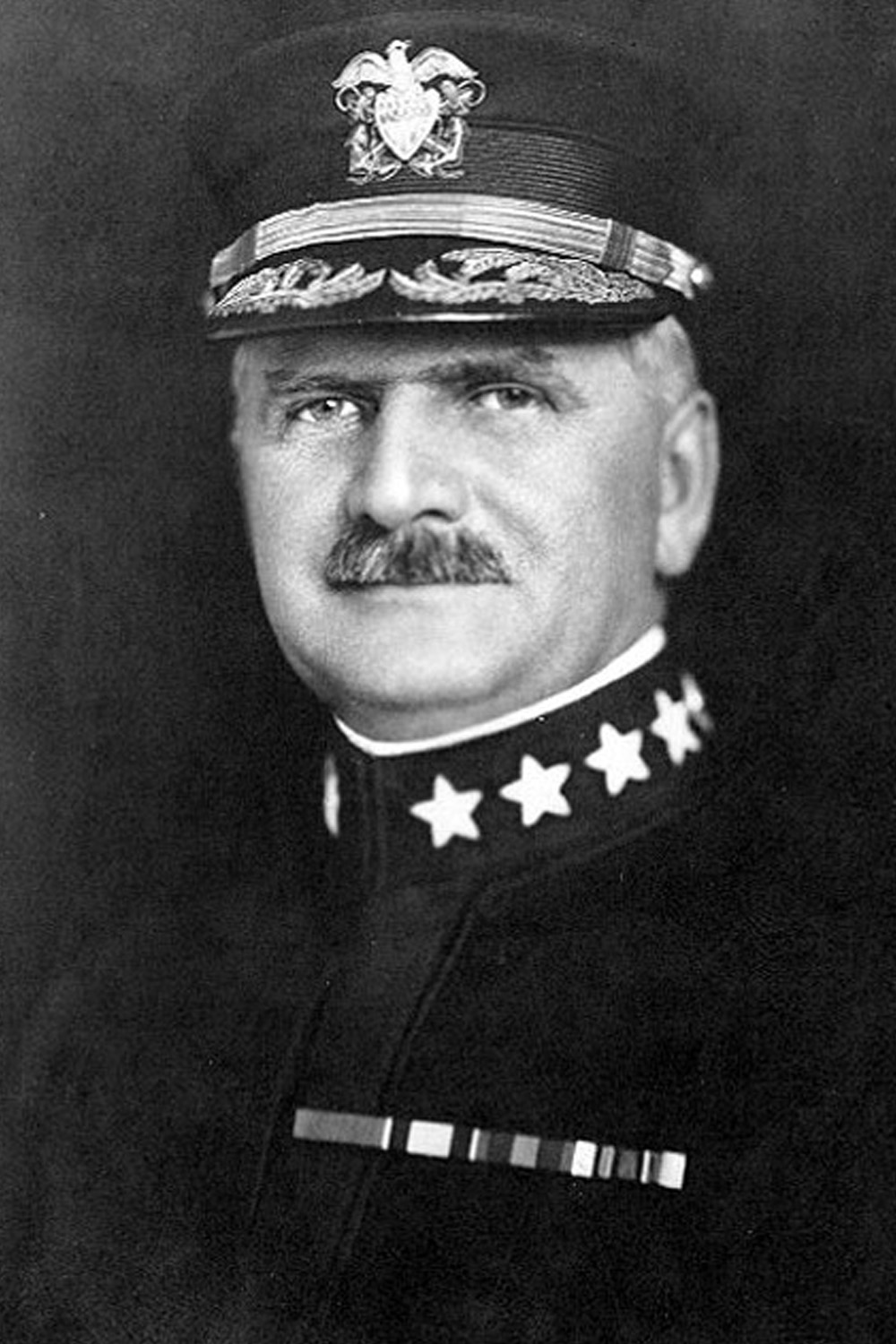
1923 - Adm. Robert E. Coontz
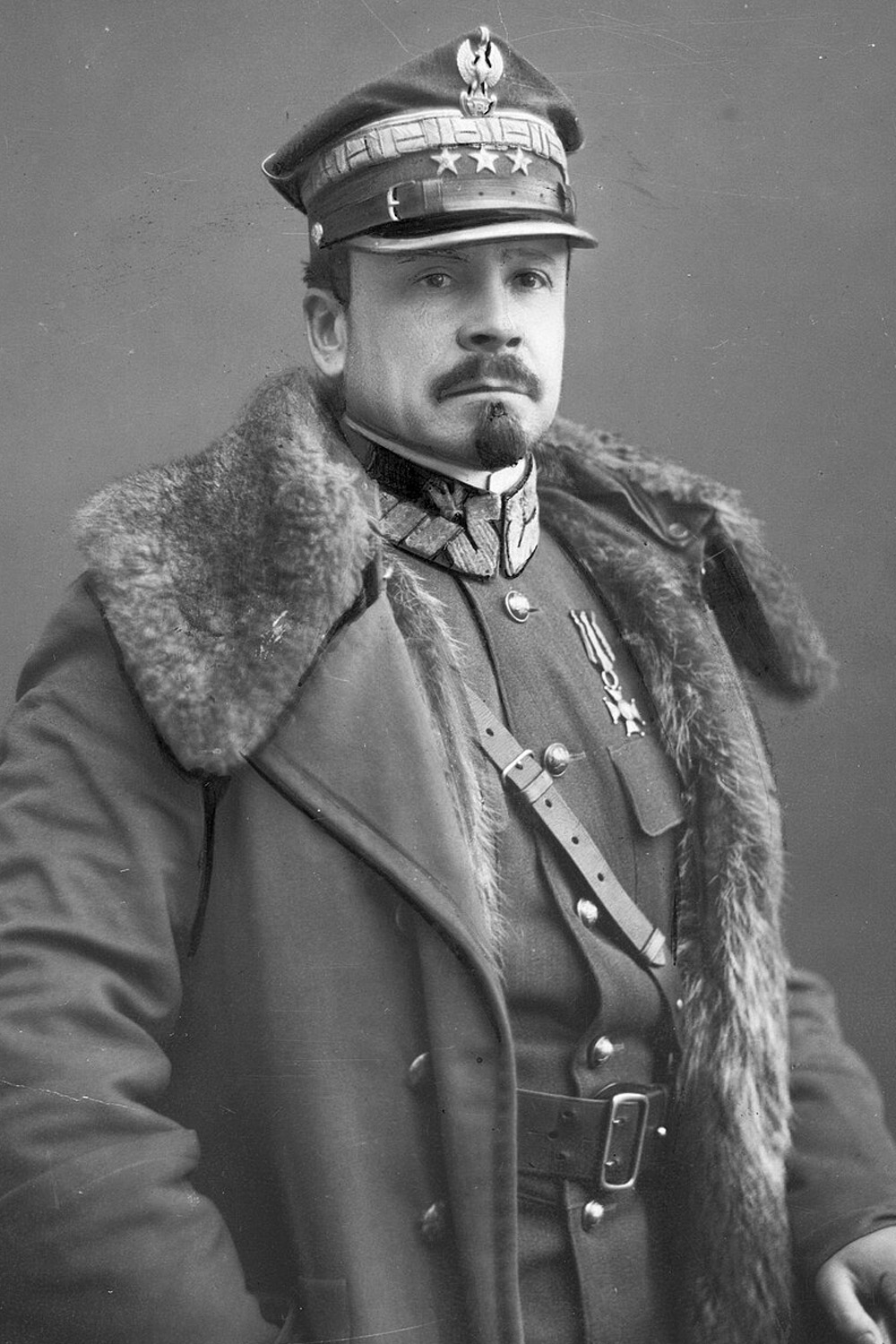
The American Legion awarded the Distinguished Service Medal to U.S. Navy Adm. Robert Coontz and visiting Polish Gen. Josef Haller in 1923.
After growing up in Hannibal, Mo., where Mark Twain was a family friend, Coontz attended the U.S. Naval Academy in Annapolis, followed by duty on numerous ships.
1923 - Gen. Josef Haller
As a longtime chairman of the House Veterans Affairs Committee, Teague took pride in looking out for the welfare of veterans and their families, including their educations. For his work, Legionnaires presented him with the Distinguished Service Medal in 1970.
The congressman from Texas accepted the honor from National Commander J. Milton Patrick, who said Teague had helped "bring equity and justice to the Veterans Benefits Program."
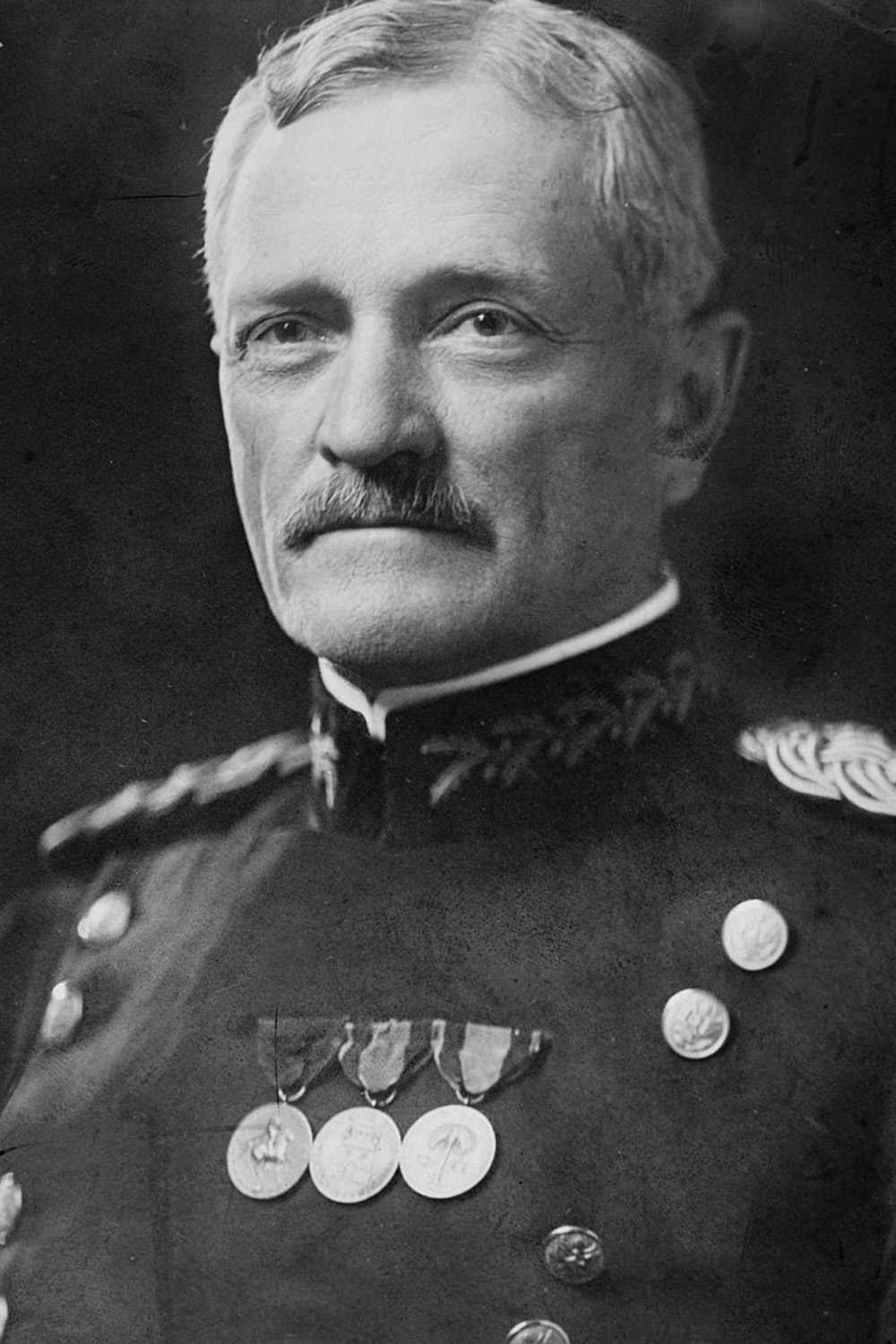
1922 - Gen. John J. Pershing
The American Legion awarded its second Distinguished Service Medal to Pershing, who commanded the American Expeditionary Force in World War I.
A staunch backer of the Legion's founding just three years earlier, he told delegates at the 1922 national convention, "I never wear any other decoration than the Distinguished Service Medal, and I would rather have it than all the decorations that could possibly be bestowed by all the kings and potentates of the earth."
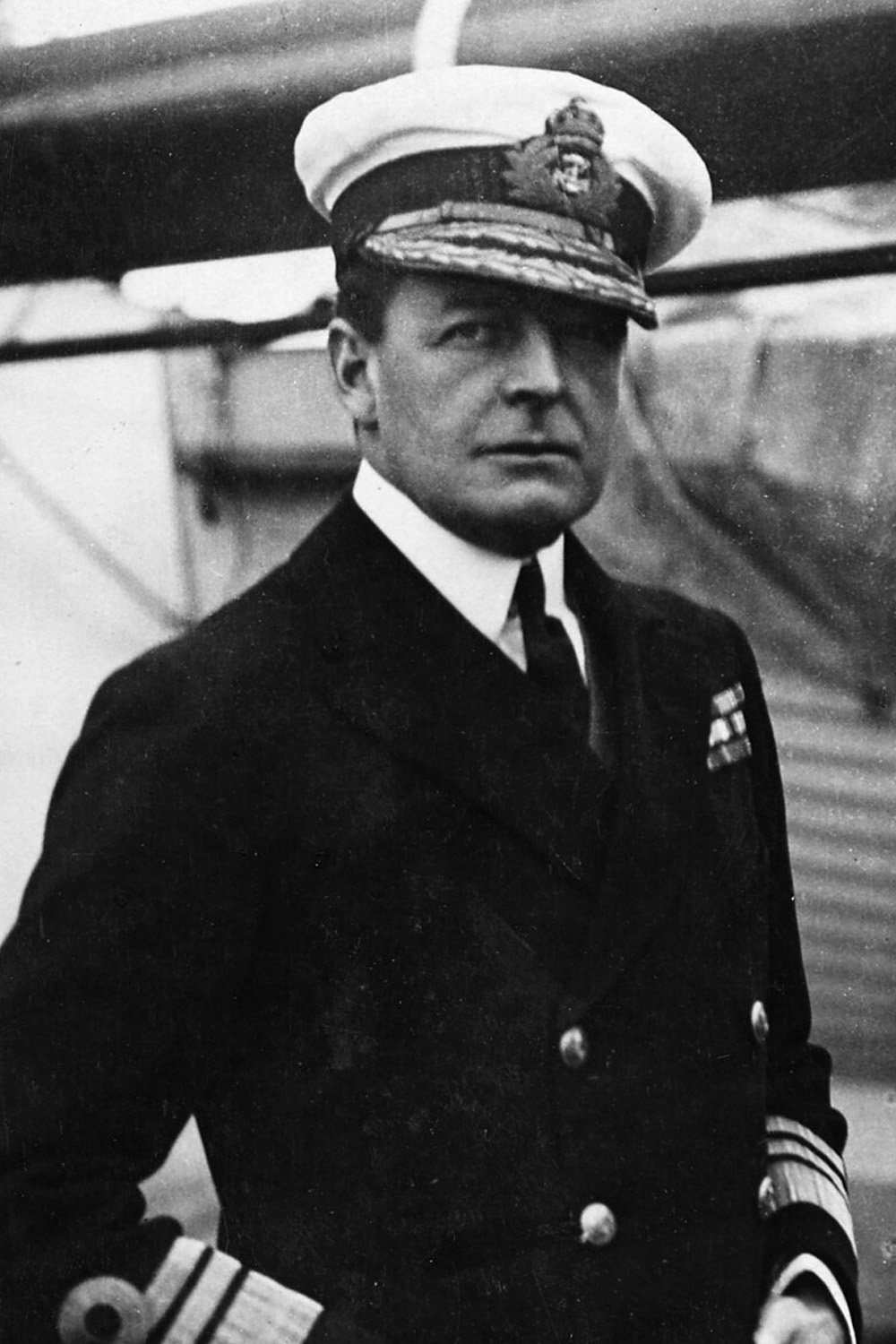
1921 - Adm. Sir David Beatty
Beatty, who became commander in chief of Britain's Grand Fleet late in World War I, was quick to stress the importance of Allied strength, even in times of peace.
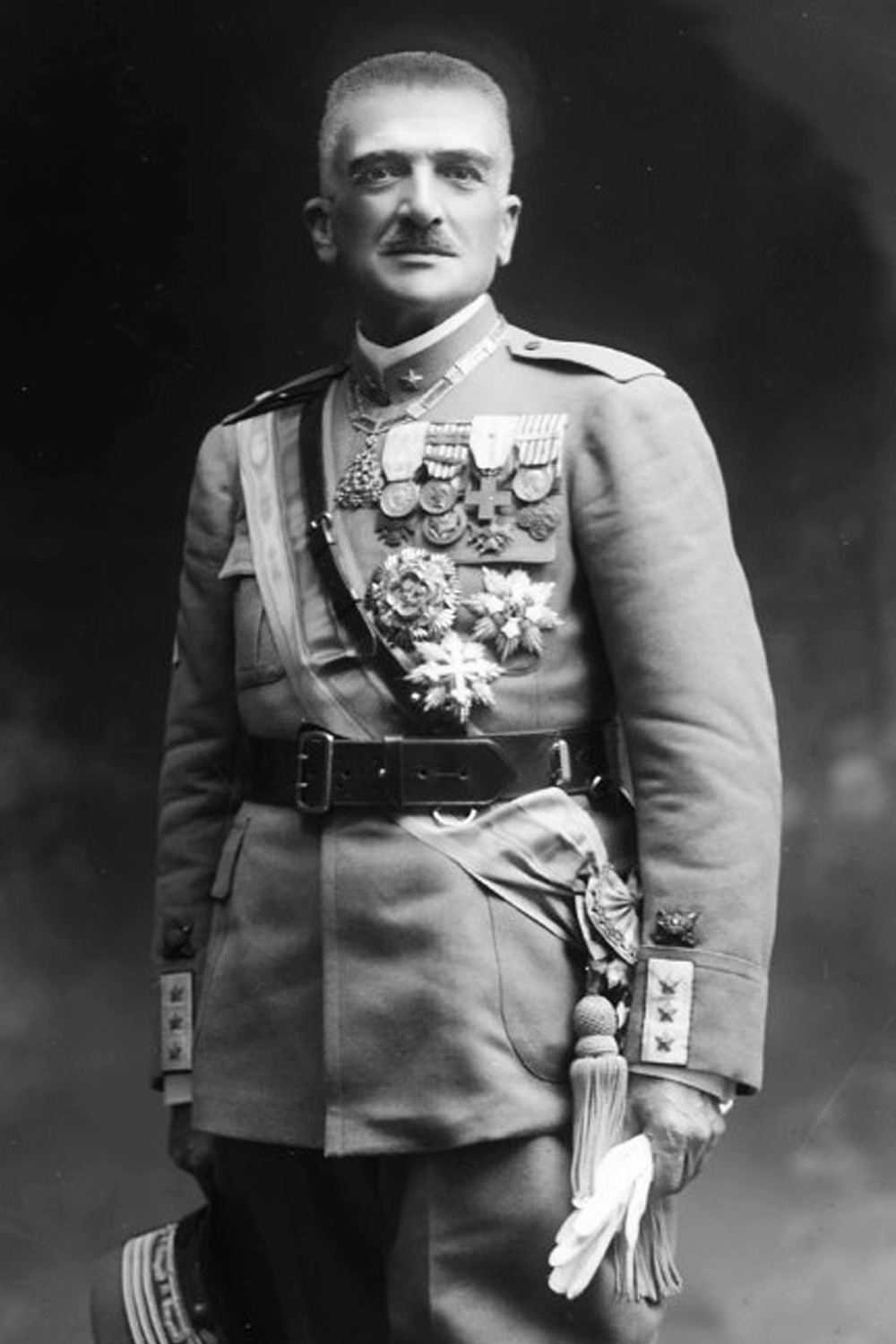
1921 - Gen. Armando Diaz
Commander in chief of the Italian army, Diaz was among the many World War I leaders to travel to Kansas City for the groundbreaking of the Liberty Memorial in 1921. He also visited the tomb of President Theodore Roosevelt to express his appreciation for the United States' contributions in the Great War. As reported by The New York Times, Diaz commented, "At the tomb of Roosevelt it is not fitting to make a speech, but only to express the deepest regard.
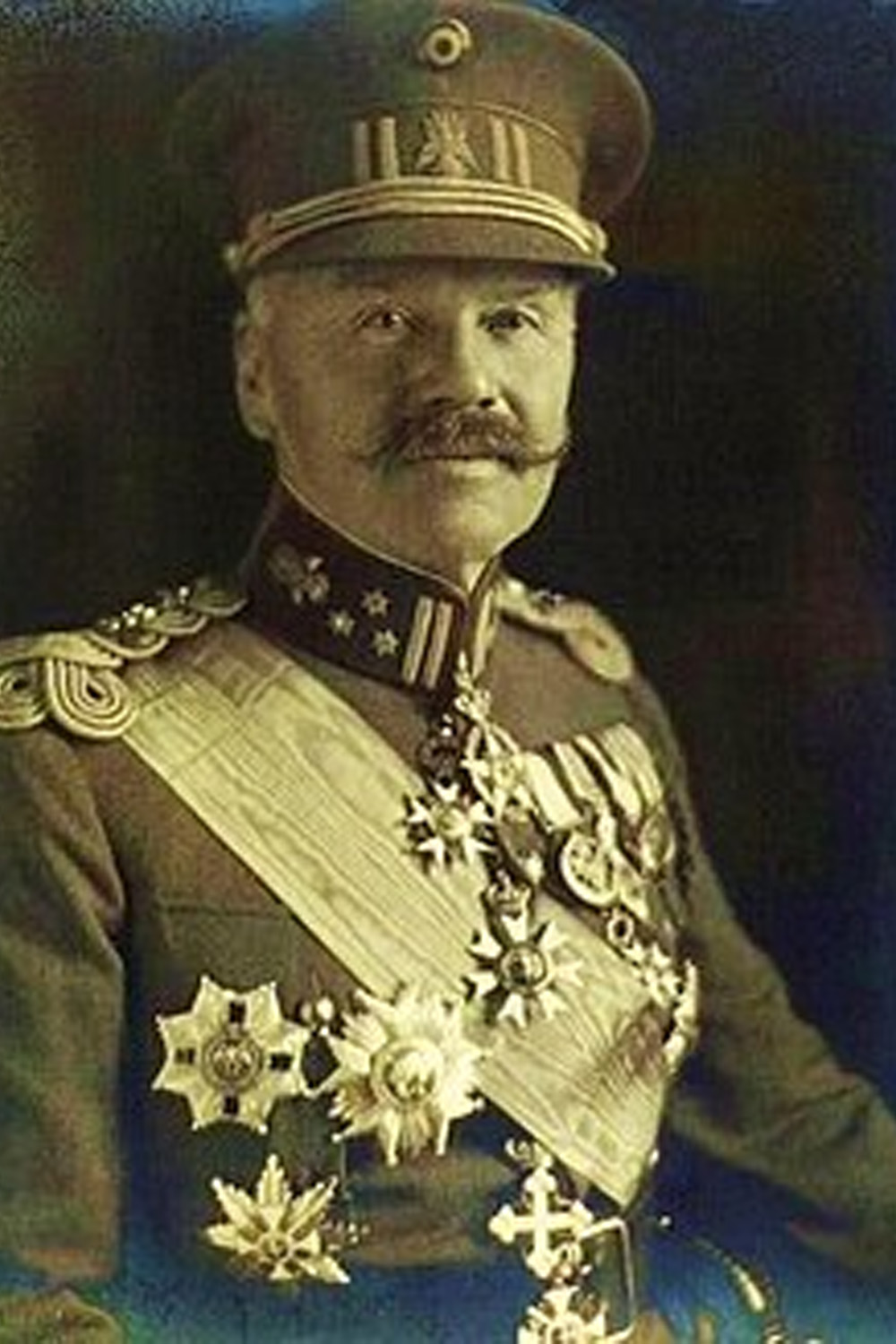
1921 - Lt. Gen. Baron Jacques
Conveying his gratitude to the Allied forces was foremost in the mind of Jacques, commander in chief of the Belgian army, during his 1921 visit to the United States. While stateside, he attended The American Legion's convention in Kansas City and visited Arlington National Cemetery to place his own Belgian Croix de Guerre (War Cross) at the Tomb of the Unknown Soldier.
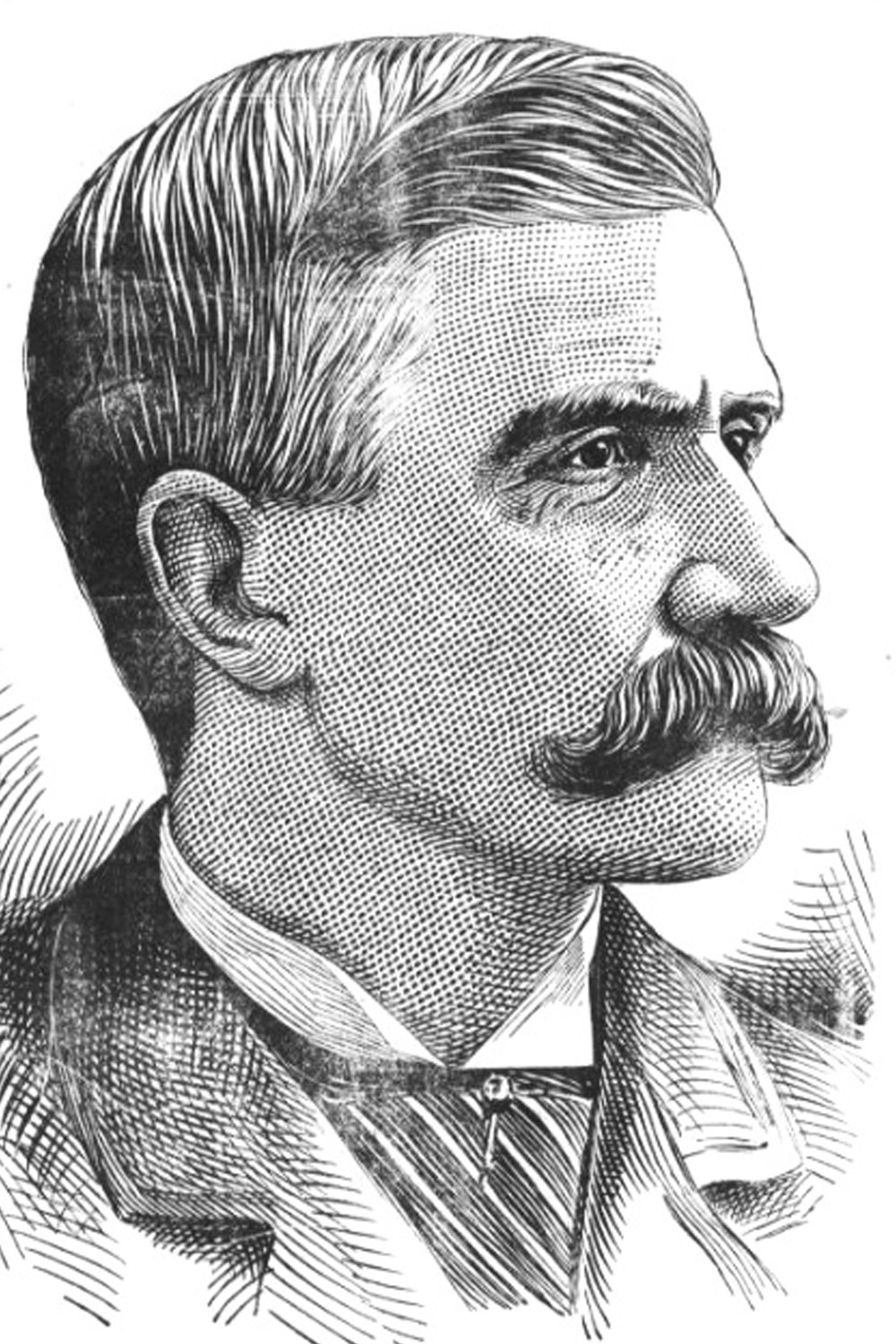
1921 - M. Charles Bertrand
Like his peers who received the Legion's Distinguished Service Medal in 1921, Bertrand paid tribute to the Allies' achievement. As secretary of France's largest veteran organization and president of the developing Inter-Allied Veterans Association, he wanted to maintain that unity during peacetime.
1921 - Marshal Ferdinand Foch
In March 1918, after the Germans had displayed their strength in a series of successful offensives, Foch became supreme commander of the Allied armies. Charged with keeping them intact and holding back the Germans, he drew on a lifetime's experience as a soldier. In 1871, he joined the French army at 20, attended a war college and eventually became an instructor there. Forced out of retirement, he became a key French figure in World War I. In August 1918, Foch was named marshal of France.