
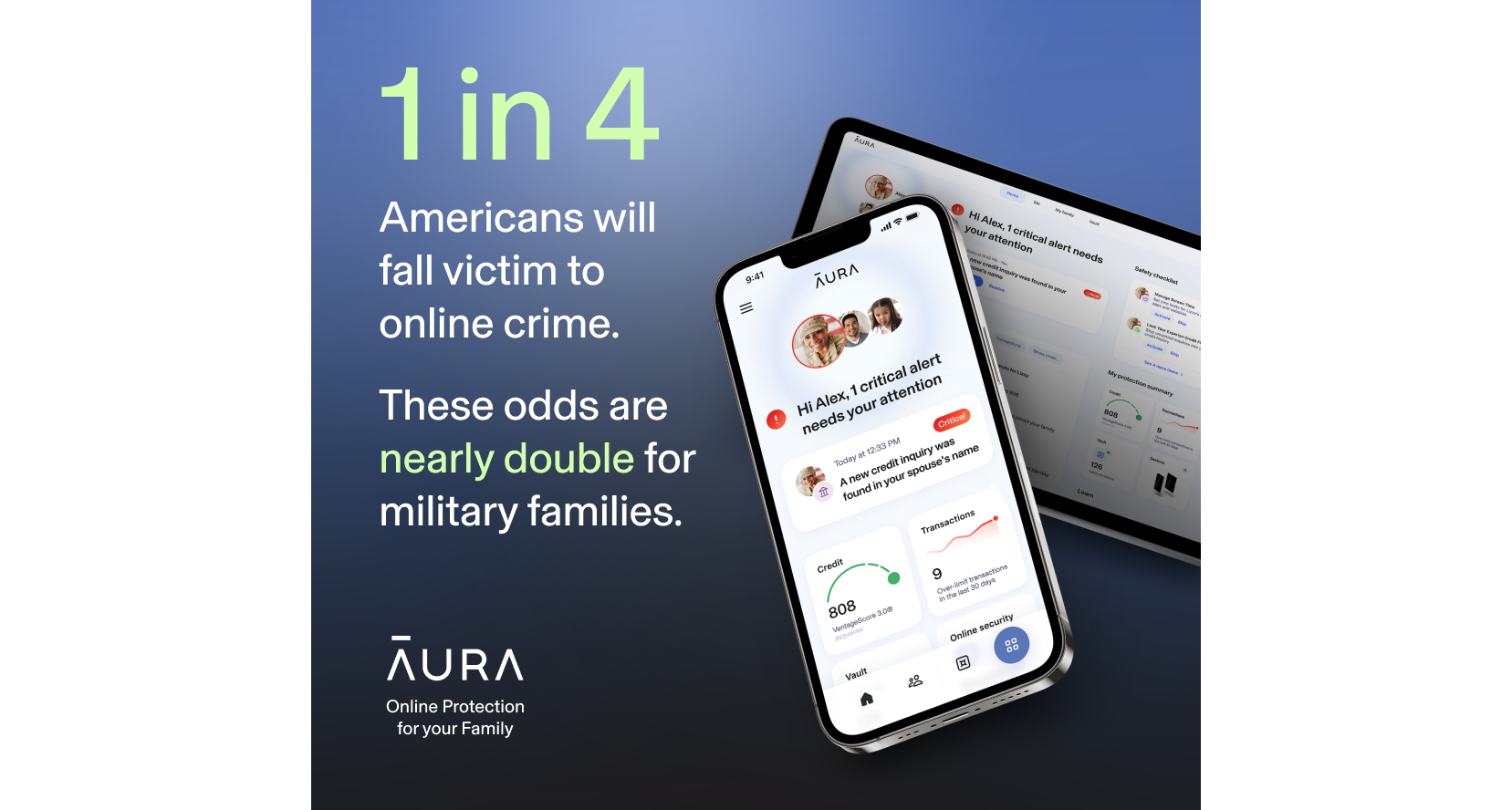
American Legion partner Aura answers questions about fraud and scams.
American Legion partner Aura, which combines credit monitoring, identity fraud alerts and online privacy tools in one easy-to-use platform, answers questions about scams and fraud safety.
Through this partnership, Legion members and their families can access Aura’s protection at discounts of up to 75% on family plans and over 60% on individual and couple plans.
Q: If a Legionnaire discovers they've been successfully scammed or notices an unauthorized charge, what are the immediate, sequential first three calls they must make (e.g., bank, credit bureau, law enforcement) to stop the damage?
A: These are the steps we recommend:
1. Contact your financial institution immediately. Report the unauthorized charge/scam and ask them to freeze or close the compromised account(s) and dispute the fraudulent charges.
2. Review your credit report for identity theft. Place a fraud alert or credit freeze. Consider placing an active duty alert (if you are on active duty) or a standard fraud alert on your credit report. Freezing your credit is the most secure option to prevent new accounts opened that are not yours, dispute them with the bureaus and/or the creditors.
3. Report to local authorities. File a police report, file the FTC report, and there is a section for veterans to report scams.
How Aura Can Help
Aura supports Legionnaires at this critical moment with 24/7 U.S.-based customer support and $1 million insurance coverage to help recover eligible losses so they’re not navigating identity theft or fraud alone.
Q: Can you define "Pension Poaching" and explain how these predatory schemes target older veterans? What resources (outside of Aura) does your company recommend veterans use to verify an organization's accreditation before signing any contract related to benefits or estates?
A: Pension poaching is a predatory scheme where bad actors target older veterans by offering “help” with VA pensions or benefits, then charge illegal fees, push unnecessary financial products, or manipulate veterans into transferring assets, often putting their benefits at risk. These scams exploit trust and confusion around benefits by posing as VA or American Legion-affiliated experts and creating urgency. Before signing anything related to benefits or estates, veterans should verify organizations through trusted sources like the VA’s accredited representative’s list, recognized VSOs (like American Legion), state Veterans Affairs offices, FINRA, BrokerCheck, the SEC’s IAPD database, and the Better Business Bureau.
Rule of thumb: pressure to act fast or pay upfront is a red flag, always pause and verify first.
Q: What are the best, free and user-friendly online resources (like the FTC or VA) that you can share to help keep up-to-date on the latest digital scams and safety practices?
A: Below is a short list of free, trusted and easy-to-use resources to help members stay informed on scams digital safety:
- Aura.com’s Digital Security 101: A free resource that helps Legionnaires stay updated on the latest scams, online threats, and simple steps to protect themselves.
- FTC: The best source for current scam alerts, prevention tips, and reporting fraud.
- VA.gov: Veteran-specific warnings about benefit scams and identity misuse.
- VA Office of Inspector General: Alerts on VA impersonation and benefits fraud.
- FBI IC3: National scam trends and a simple place to report online fraud.
- AARP Fraud Watch Network: Especially user-friendly for older adults with alerts, newsletters, and a free fraud helpline.
- Dispatch