

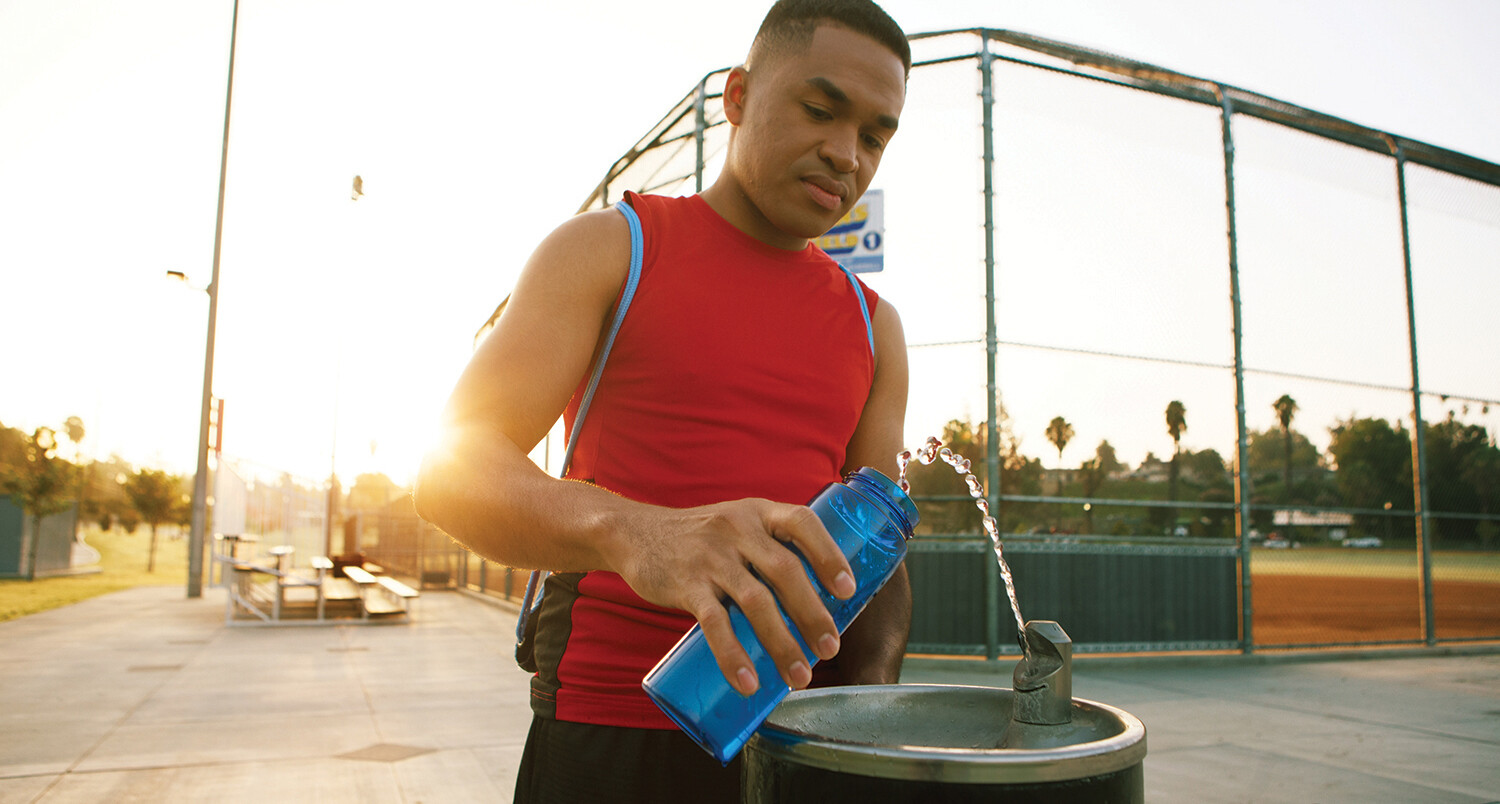
Proper hydration is foundational to nearly every physiological process in the body. Water supports thermoregulation, cardiovascular function, nutrient delivery, joint lubrication and waste removal.
Mild dehydration can affect energy levels, cognitive performance and physical endurance. More significant deficits increase the risk of heat illness, kidney strain and metabolic dysfunction. Most people fall short of adequate hydration. The average U.S. adult drinks only about 44 ounces of water per day, potentially below optimal intake levels depending on body size and activity. Estimates suggest 16% to 28% are clinically dehydrated, with higher rates in older populations.
Heat-smart training Training in the heat can elevate performance, but only if your hydration and electrolyte strategy keep pace. For adults older than 40, heat stress presents a unique physiological challenge. As the heat outside rises, the body works harder to regulate internal temperature, increasing sweat rate, cardiovascular strain and the loss of key minerals. This can cause dehydration, fatigue, muscle cramps and even heat-related illness.
During exercise in hot environments, sweat losses can exceed 1 to 2 liters per hour depending on intensity and individual physiology. Even mild dehydration, defined as a 1% to 2% loss in body weight, can impair endurance, strength and cognition. For aging athletes, this effect may be amplified due to a diminished thirst response and changes in kidney function, making it easier to underhydrate without realizing it.Weigh yourself before and after exercise. For every pound lost, aim to replace 16 to 24 ounces of fluid. Don’t rely solely on thirst; schedule hydration before, during and after training sessions.
Electrolyte balance Hydration is not just about water. Sweat contains critical electrolytes such as potassium, magnesium and calcium. Sodium is especially important for maintaining fluid balance, nerve signaling and muscle contraction. When losses are not replaced, the risk of muscle cramps, dizziness and hyponatremia increase.
For workouts lasting longer than 45 to 60 minutes in the heat, consider adding electrolytes to your hydration plan. A general guideline is 300 to 600 mg of sodium per hour of exercise, though heavy sweaters may require more.
Preventing cramps Exercise-associated muscle cramps are often linked to a combination of fluid loss, electrolyte imbalance and neuromuscular fatigue. Begin workouts by consuming 16 to 20 ounces of fluid an hour before exercise. Use electrolytes during longer or more intense sessions, and maintain an adequate magnesium intake to help support long-term muscle function.
Smart strategies Plan early morning or evening sessions to reduce thermal strain. It takes 7 to 14 days for the body to adapt to the heat; start with shorter, lower-intensity sessions and build up. Choose lightweight, moisture-wicking fabrics. Try pre-cooling (cold fluids, cooling towels) and post-workout recovery strategies that can improve tolerance and performance.
Army veteran Jennifer Campbell is a certified personal trainer with a master’s degree in nutrition education. She is past commander of the California American Legion’s 24th District and Hollywood
Post 43.
- News