

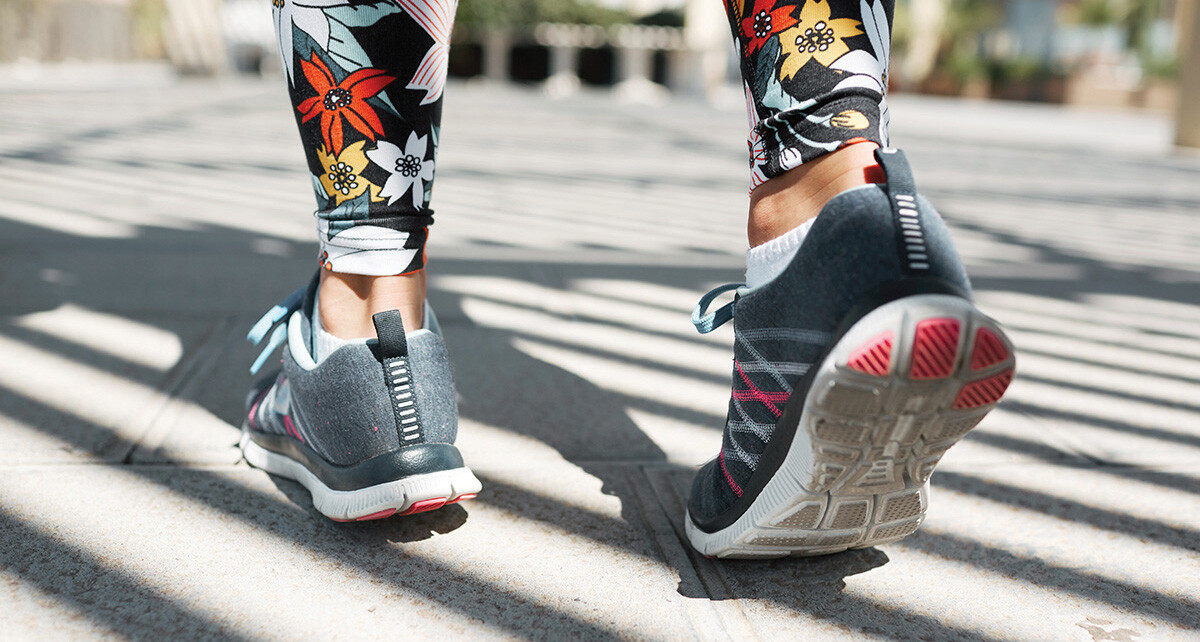
Foot pain isn’t merely uncomfortable; it is associated with impaired balance, altered gait and reduced mobility.
When it comes to exercise, posture and joint health, we often overlook the equipment we use through thousands of daily steps: our shoes. That matters more as we age. In the population-based Framingham Foot Study, about one in four adults reported foot pain on most days. Among older adults, studies have estimated its prevalence at between 20% and 42%. Foot pain isn’t merely uncomfortable; it is associated with impaired balance, altered gait and reduced mobility.
The toe box Your toes naturally spread outward from the ball of the foot. But many conventional shoes do the opposite, tapering inward toward the toes. The toe box is the front portion of a shoe and ideally should be wide enough for them to spread naturally without being compressed together. Toes help create a stable base for standing, walking, running and lifting. The big toe is particularly important for balance and pushing the body forward during movement.Think of your feet as the foundation of a house. Restrict that foundation and the effects may be felt elsewhere. Changes in foot mechanics can influence how forces are transmitted through the ankles, knees, hips and the rest of the kinetic chain. That doesn’t mean the wrong shoes automatically cause pain, but chronically altering how we stand and move can change joint loading and movement patterns.
Finding the right shoe Prioritize fit, comfort and stability. Look for a shoe shaped more like a foot: wider through the forefoot and toe box. A systematic review of footwear for older adults listed proper anatomical fit, an adequately fitting toe box, limited heel height, a firm midsole, sufficient tread and a secure heel as important characteristics.
For running There is no scientifically proven “perfect” running shoe. Older recommendations often prescribed shoes based on whether someone pronated or had a particular arch type, but research hasn’t consistently demonstrated that matching shoes this way prevents injury. Cushioning preference varies by runner, and more is not automatically better. The shoe should feel comfortable during your normal running stride, not like it is forcing your foot into a particular movement pattern. And don’t suddenly switch from a heavily cushioned shoe to minimalist or zero drop. Your feet, calves and Achilles tendon need time to adapt to major changes.
For strength training Your running shoes shouldn’t double as your lifting shoes. Thick, soft running shoes are designed to absorb repeated impact. During squats, deadlifts and other strength exercises, you generally want a stable connection to the floor. For deadlifts and many general strength exercises, a flat, firm shoe with a wide toe box provides a stable platform while allowing the toes to spread. Weightlifting shoes use a firm, elevated heel that can alter squat mechanics. Research shows heel elevation increases ankle and knee range of motion and may help some lifters achieve a deeper squat while maintaining a more upright position.
When you buy Feet change in size and shape with age. When shopping, try shoes on later in the day, when feet may be slightly larger, and wear the socks you normally use for that activity. You should be able to wiggle and spread your toes without hitting the sides of the shoe. Your heel should feel secure, and nothing should pinch, rub or require a painful “break-in” period.
Jennifer Campbell is a certified personal trainer with a master’s degree in nutrition education. She is past commander of the California American Legion’s 24th District and Hollywood Post 43.
- News