

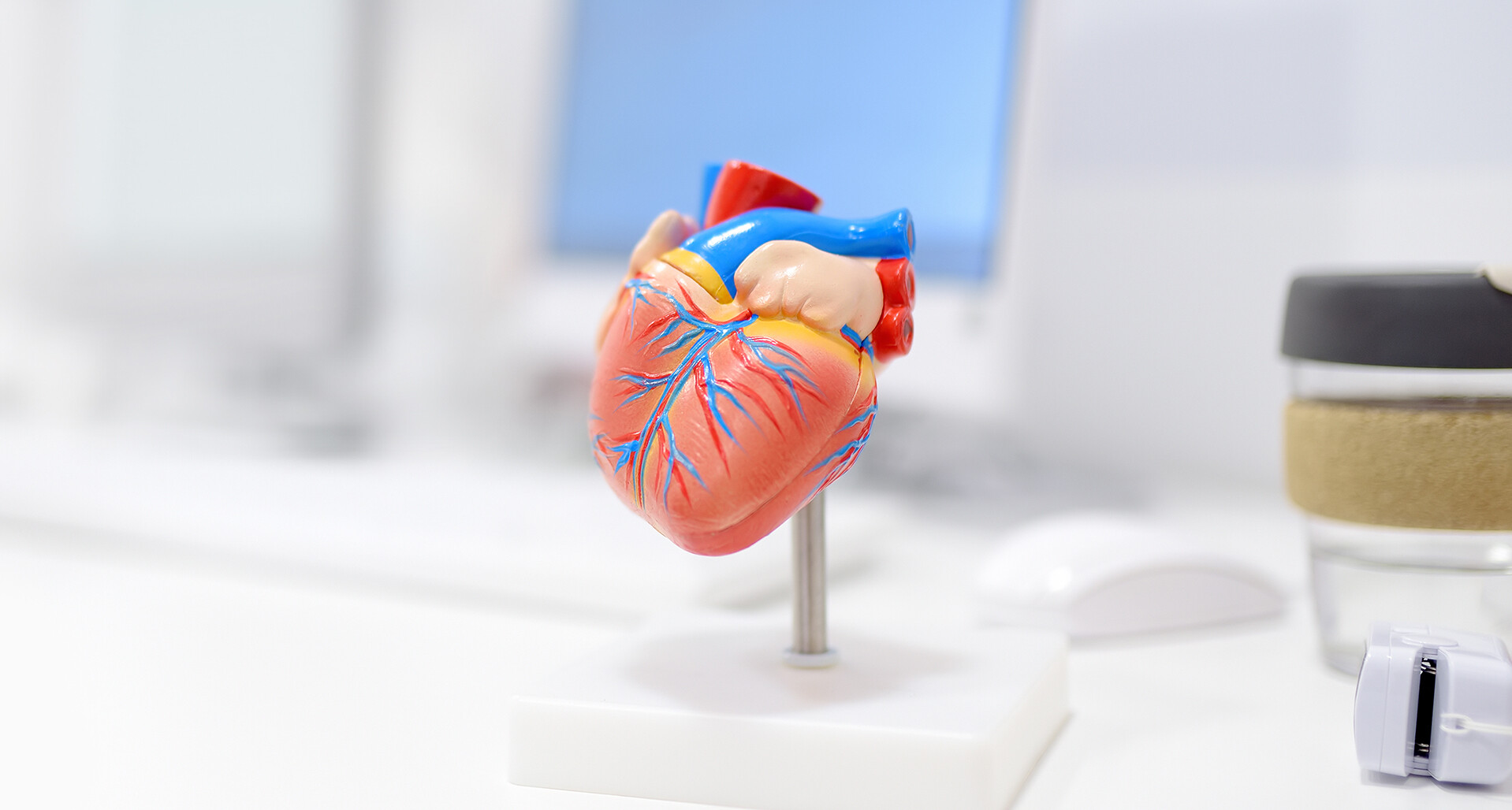
Noninvasive test can measure plaque buildup in arteries.
LEARN HOW YOUR PLANNED GIFT CAN HELP THE AMERICAN LEGION
Heart disease runs in my family, and I recently noticed that my cholesterol has been rising. I heard about a scan that can show your true heart risk. Should I consider getting it?
For years, cholesterol numbers have been the primary way to estimate heart disease risk. Now there is another tool gaining attention that can offer a more direct look: a coronary artery calcium (CAC) scan, a quick and noninvasive test that measures the plaque buildup in your heart’s arteries.
The CAC scan is useful for many reasons. While a high cholesterol reading suggests a probability that you may develop heart disease, finding calcium in your arteries means some disease may already be present. The higher your calcium score, the greater your risk of a future heart attack or stroke. This measure makes the test especially useful for people with a family history of heart disease and borderline numbers.
How It Works A CAC scan is a specialized computed tomography (CT) scan that takes about 10 minutes and does not require needles or dyes. You simply lie on a table while the scanner takes images of your heart. It uses a small amount of radiation, similar to a mammogram. The result is a calcium score that reflects how much plaque is in your arteries:
A score of zero means no detectable plaque.
A score from 1-100 indicates minimal to mild plaque.
A score from 100-299 suggests moderate buildup.
A score of 300 or higher points to more serious disease.
A CAC scan gives you and your doctor a concrete starting point for discussing next steps. Instead of guessing about your risk, you can make more confident decisions about whether to start a statin (cholesterol-lowering medication) or focus on lifestyle changes alone.
Who Needs It Not everyone needs a CAC scan. It is most helpful for adults over 40 who have some risk factors – like high cholesterol, high blood pressure or a family history of heart disease – where additional testing may help clarify their level of risk.
If your risk level is uncertain or you are hesitant about taking a statin, the scan can help break the tie. It can also offer valuable insight into your heart health. For many people, seeing plaque on their scan helps reinforce the importance of healthy habits, such as taking prescribed medications, improving nutrition, maintaining a healthy weight and staying active.
Getting One CAC scans are widely available at hospitals and imaging centers that offer CT services. You will usually need a doctor’s order, but some centers offer self-pay screenings you can schedule yourself. Most insurers do not cover the costs of the scan, which typically costs about $75 to $200 out of pocket and usually is not repeated very often. Results are usually available quickly, sometimes within a day or two.
It is important to note that a score of zero does not mean you have no risk. Additionally, the test is not designed for diagnosing symptoms like chest pain. It is just one piece of the puzzle and should be considered along with your overall health picture. Considering risk factors such as age, family history and slightly elevated cholesterol, a CAC scan could be a very useful next step. It may be worth having a conversation with your doctor to see whether it is right for you.
“Savvy Living” is written by Jim Miller, a regular contributor to NBC’s “Today Show.” The column, and others like it, is available to read via The American Legion’s Fund Development program, a way of establishing your legacy of support for the organization while providing for your current financial needs. Consider naming The American Legion in your will or trust as a part of your personal legacy. Learn more about the process, and the variety of charitable programs you can benefit, at legion.org/plannedgiving. Clicking on “Learn more” will bring up an “E-newsletter” button, where you can sign up for regular information.
- Planned Giving