

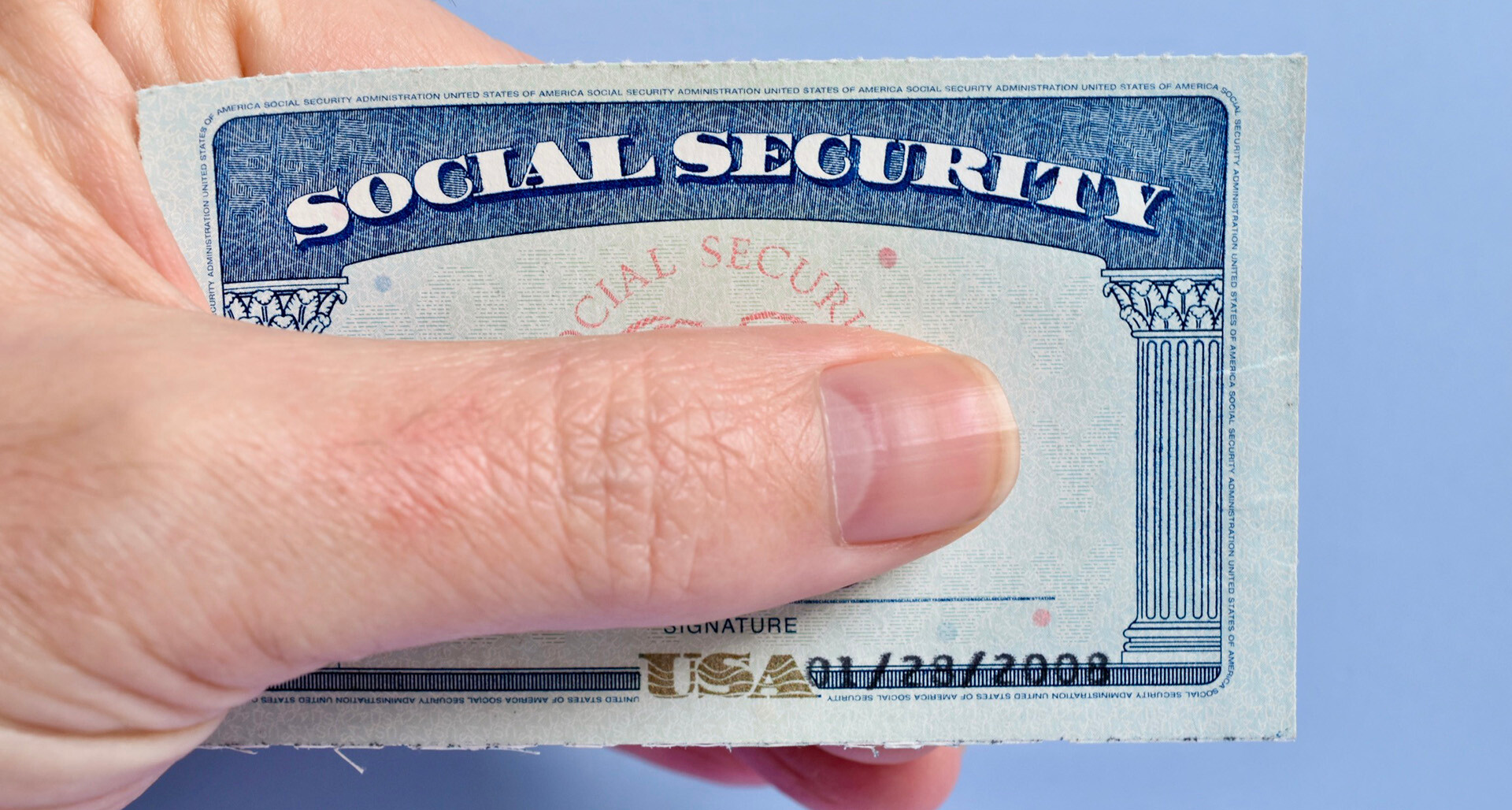
Steps can be taken even after identity theft occurs.
LEARN HOW YOUR PLANNED GIFT CAN HELP THE AMERICAN LEGION
I am retired and was a victim of identity theft. I have already frozen my credit to protect myself, but I recently heard that I can also “lock” my Social Security number. What exactly does that mean, and is it something I should do?
Freezing your credit is an important step to take after identity theft. However, there is another layer of protection many people do not know about, which involves limiting how your Social Security number (SSN) can be used.
While it is not possible to “lock” your SSN in the same manner as you freeze a credit report, individuals can mitigate the most common ways criminals misuse it. Specifically, you can block the use of your SSN being used by someone to secure a job or from gaining access to your online Social Security account.
Your SSN is the master key to much of your financial life. It is linked to your taxes, Social Security benefits, Medicare, banking and employment records. With data breaches becoming routine and identity thieves using increasingly sophisticated tactics – including AI-generated scams – protecting it is more important than ever.
E-Verify Self Lock The first tool is E-Verify Self Lock, which prevents someone from using your SSN to get a job with employers that participate in the federal E-Verify system.
If someone uses your SSN to get a job, the wages they earn may be reported to the Internal Revenue Service (IRS) under your name. Misreporting of wages can trigger IRS notices, delay tax refunds, and require months of work to correct your tax and Social Security records.
To activate Self Lock, create a free myE-Verify account at myeverify.uscis.gov and answer the identity-verification questions. Once the lock is in place, employers using E-Verify will not be able to confirm your SSN unless you first remove the lock. It remains in effect for one year and can be renewed annually. If you later work for an employer that uses E-Verify, you can temporarily remove the lock online and reactivate it afterward.
Request an Electronic Access Block The second protection is to request that the Social Security Administration (SSA) block electronic access to your account, which helps prevent criminals from taking over your online account.
When Social Security blocks electronic access, it disables online and automated telephone access to your record, including your own ability to access it. The block prevents scammers from changing your direct deposit information, redirecting your benefits or updating your personal information.
To set it up, call the SSA at 800-772-1213 or visit your local Social Security office and request an Electronic Access Block. If you want online access restored, you will need to verify your identity before the block can be removed. For many retirees, especially those who have already experienced identity theft, this extra step is well worth the added security.
Extra Safeguards A credit freeze remains one of the best defenses against identity theft, but it only prevents someone from opening new credit in your name. It will not stop someone from using your SSN for employment or trying to access your Social Security account.
For even greater protection, create a my Social Security account before a scammer does by visiting ssa.gov/myaccount. Keep your credit reports frozen unless you need to apply for credit, and request a free IRS identity protection PIN (IP PIN). The six-digit PIN acts like a second password for your tax return, preventing someone else from filing under your Social Security number. You can get one by searching “Get an IP PIN” at irs.gov. Identity theft has become a fact of modern life, but taking a few simple steps now can help protect your Social Security benefits, tax records and financial future.
“Savvy Living” is written by Jim Miller, a regular contributor to NBC’s “Today Show.” The column, and others like it, is available to read via The American Legion’s Fund Development program, a way of establishing your legacy of support for the organization while providing for your current financial needs. Consider naming The American Legion in your will or trust as a part of your personal legacy. Learn more about the process, and the variety of charitable programs you can benefit, at legion.org/plannedgiving. Clicking on “Learn more” will bring up an “E-newsletter” button, where you can sign up for regular information.
- Planned Giving