

U.S., South Korea establish permanent combined ground command, a key step toward Seoul assuming wartime control of allied forces; President Trump says Iran wants to negotiate with U.S. amid crackdown on protesters; and U.S. launches strikes on multiple Islamic State sites.
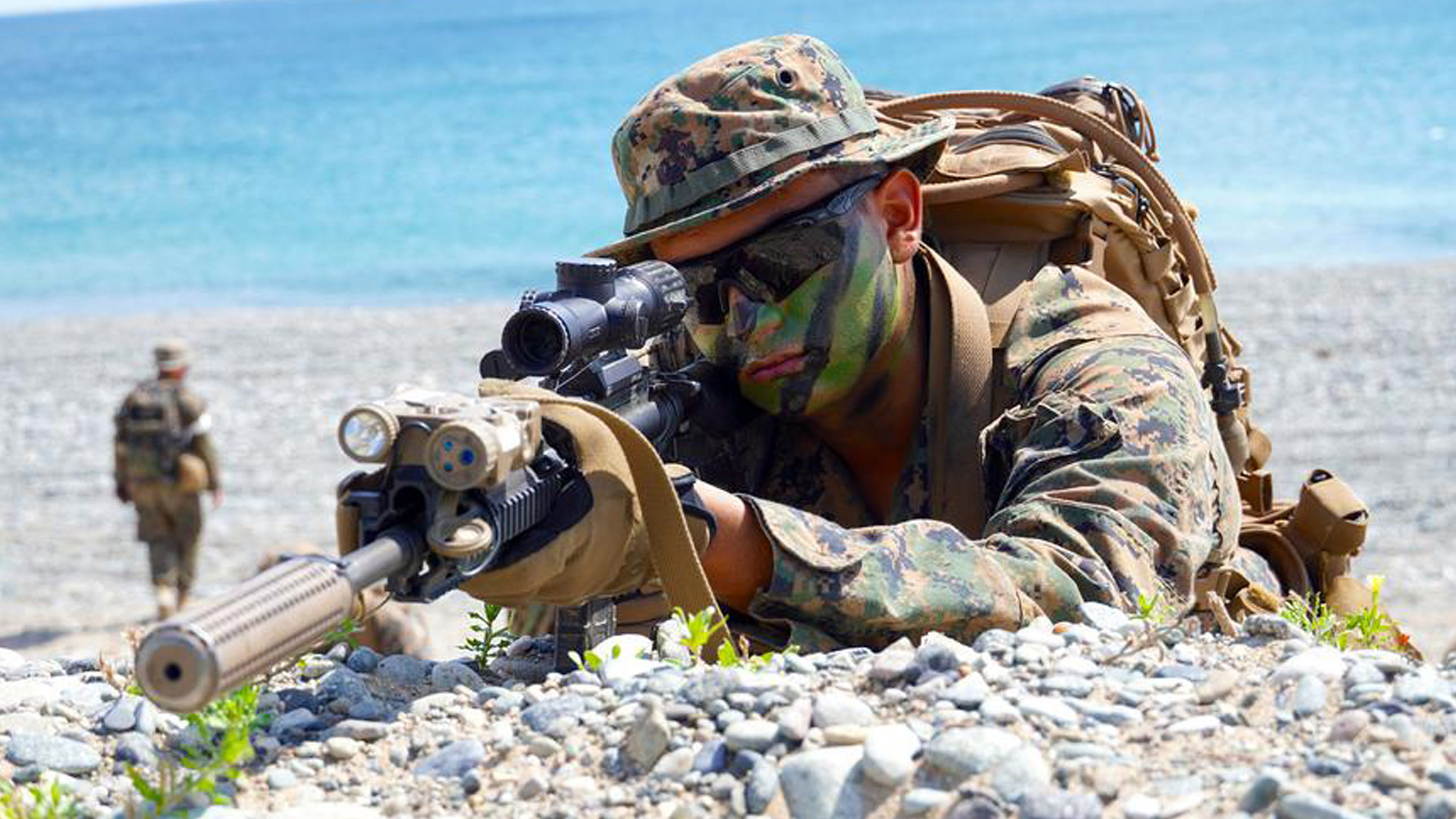
1. After years of planning, the United States and South Korea have established a permanent combined ground command, a key step toward Seoul assuming wartime control of allied forces, a South Korean defense official said Monday. The Combined Ground Component Command, which previously operated only during conflicts, was approved for standing status on Oct. 24 by the bilateral Permanent Military Committee, according to a spokesman for South Korea’s Ministry of National Defense. The permanent command allows U.S. troops to serve on combined battle staffs during peacetime and improves the ability of both forces to use each other’s equipment and training methods, the spokesman said in a text message. The command had been under assessment for permanent status since 2019, he said. Some government officials in South Korea must speak to the media on condition of anonymity.
2. U.S. President Donald Trump said Iran wants to negotiate with Washington after his threat to strike the Islamic Republic over its bloody crackdown on protesters, a move coming as activists said Monday the death toll in the nationwide demonstrations rose to at least 544. Iran had no direct reaction to Trump’s comments, which came after the foreign minister of Oman — long an interlocutor between Washington and Tehran — traveled to Iran this weekend. It also remains unclear just what Iran could promise, particularly as Trump has set strict demands over its nuclear program and its ballistic missile arsenal, which Tehran insists is crucial for its national defense. Iranian Foreign Minister Abbas Araghchi, speaking to foreign diplomats in Tehran, insisted “the situation has come under total control” in fiery remarks that blamed Israel and the U.S. for the violence, without offering evidence.
3. President Donald Trump on Sunday fired off another warning to the government of Cuba as the close ally of Venezuela braces for potential widespread unrest after Nicolás Maduro was deposed as Venezuela's leader. Cuba, a major beneficiary of Venezuelan oil, has now been cut off from those shipments as U.S. forces continue to seize tankers in an effort to control the production, refining and global distribution of the country's oil products. Trump said on social media that Cuba long lived off Venezuelan oil and money and had offered security in return, “BUT NOT ANYMORE! THERE WILL BE NO MORE OIL OR MONEY GOING TO CUBA - ZERO!” Trump said in the post as he spent the weekend at his home in southern Florida. “I strongly suggest they make a deal, BEFORE IT IS TOO LATE.” He did not explain what kind of deal.
4. U.S. Central Command and its partner forces on Saturday launched large-scale strikes on multiple Islamic State group targets across Syria, the command said in a news release. The strikes took place around 12:30 p.m. ET, the release said. The statement, which included a short video featuring unclassified footage of the strikes, did not specify a number of casualties or locations. The strikes were part of Operation Hawkeye Strike, which was launched in December after a lone gunman killed three Americans in the Syrian city of Palmyra, two of them soldiers with the Iowa National Guard: Sgt. Edgar Brian Torres-Tovar and Sgt. William Nathaniel Howard. “We will never forget, and never relent,” Defense Secretary Pete Hegseth posted on X in reference to the strikes.
5. Hamas said Sunday it will dissolve its existing government in Gaza once a Palestinian technocratic leadership committee takes over the territory, as mandated under the U.S.-brokered peace plan. But the group gave no specifics on when the change will occur. Hamas and the rival Palestinian Authority, the Palestinians’ internationally recognized representative, have not announced the names of the technocrats, who are not supposed to be politically affiliated, and it remains unclear if they will be cleared by Israel and the U.S. The “Board of Peace,” an international body led by Trump, is supposed to oversee the government and other aspects of the ceasefire that took effect on Oct. 10, including disarming Hamas and deploying an international security force. The board’s members have not been announced. Meanwhile, the post-ceasefire death toll continued to rise in Gaza, with Israeli gunfire killing three Palestinians, according to Palestinian hospital officials.
- Security