

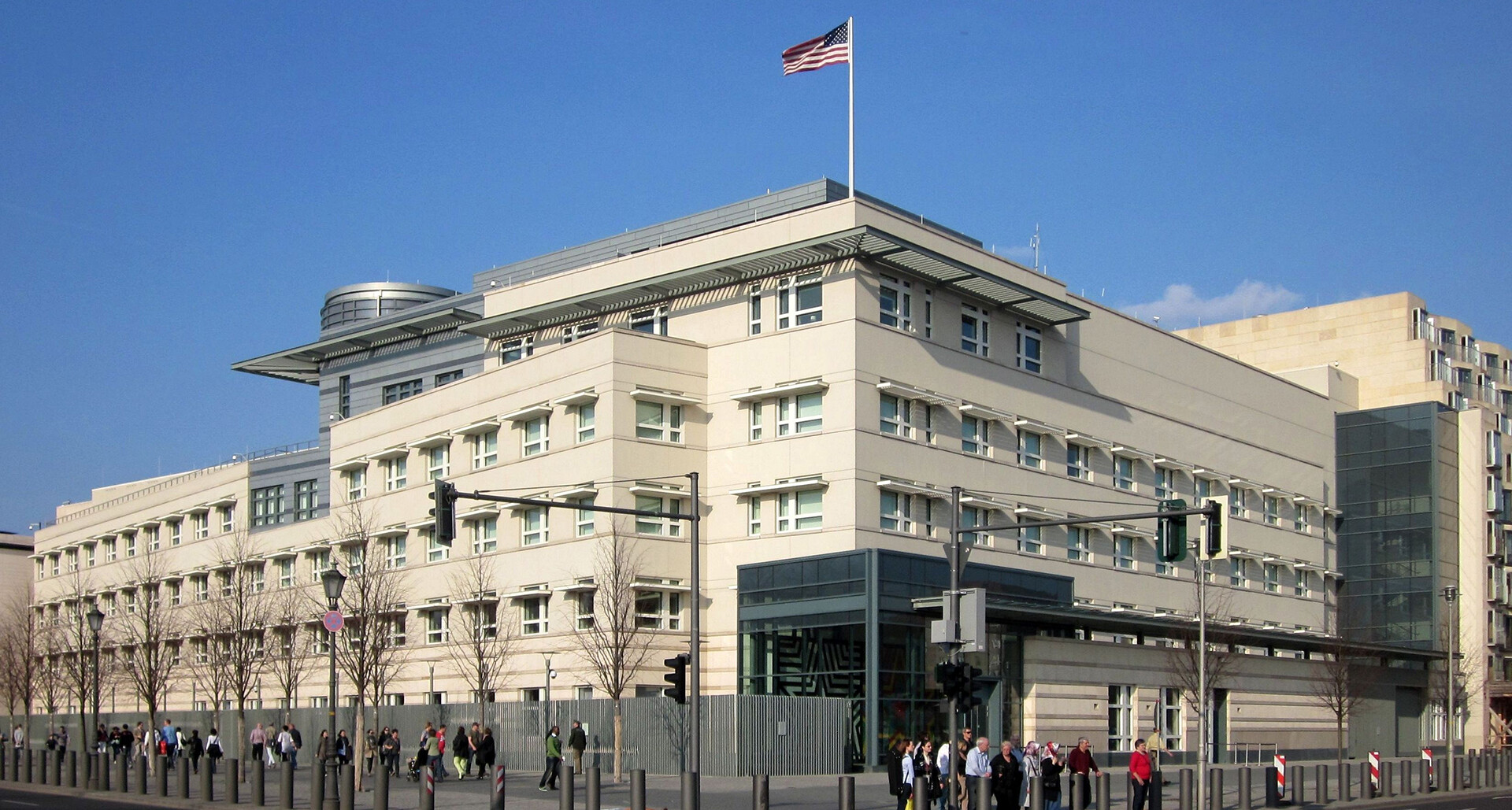
Roughly half of the U.S. ambassador posts are vacant throughout the world.
Roughly half of U.S. ambassador posts are vacant, and more than 100 embassies lack a Senate-confirmed ambassador, according to the American Foreign Service Association (AFSA). As of Oct. 1, AFSA lists 92 of the 196 positions as vacated.
These vacancies include embassies in nations with which the United States has longstanding relationships, such as Germany. However, many are in conflict zones vulnerable to Russian and Chinese influence – a critical national security issue for U.S. interests.
The Lowy Institute’s 2024 Global Diplomacy Index shows that China’s diplomatic presence surpasses that of the United States in regions such as Africa (60 to 56 posts), the Pacific Islands (9 to 8), East Asia (44 to 27) and Central Asia (7 to 6), especially after the withdrawal from Afghanistan.
The failure to confirm ambassador nominations threatens America’s global influence. That includes regions such as Europe, where the United States previously led in embassy numbers, and in Africa, where China’s rapid infrastructure investment is expanding its influence.
National Security Concerns. America’s military power alone isn’t enough to counter global malicious influence. U.S. diplomatic posts and diplomats are often vital for maintaining influence. U.S. aid and development efforts help build trust and credibility, but without an ambassador, partner nations may see the United States as unreliable and uncommitted.
Diplomacy is a cost-effective strategy for leadership to use in alliance-building to protect democracy, human rights and servicemembers on the front lines, guarding America’s national security. Working with allies through diplomatic missions boosts cooperation and security.
An ambassador acts as the president’s personal envoy by frequently interacting with top-level counterparts, translating local political nuances into strategic advice and advancing U.S. policies more effectively than other embassy staff.
American Legion National Security Commission Chairman James Grenier says these delays may lead U.S. allies to seek stronger support from nations such as China and Russia.
“We know (they) are engaged in increasingly aggressive operations through transnational repression, cyberattacks, disinformation campaigns and election interference, often coordinated through their diplomatic missions,” Grenier says. “Both countries plan to expand their power and influence worldwide and replace the U.S. as a global hegemon. The United States is risking its national security by slashing Department of State positions and failing to prioritize backfilling vacant ambassador positions.”
Delays in ambassadorial appointments typically occur during the Senate confirmation process. In some cases, confirmations are delayed due to procedural holds or requests for additional review that are unrelated to the nominees’ qualifications. Once confirmed, the promotion lists for senior foreign service officers are returned to the White House for attestation, a step that can take an additional one to two months to complete.
For decades, Senate confirmation timelines have steadily increased. Across the last six presidential administrations, the average period grew from about 49 days during the first term of the Reagan administration to 193 days during the Biden administration. The current average stands at 127 days.
The Legion’s Position. The American Legion supports funding a strong Department of State and calls on Congress to prioritize filling vacant ambassador positions at U.S. embassies worldwide.
According to Resolution 25, passed by the Legion’s National Executive Committee in May 2022, these roles are essential for maintaining diplomacy and effective global leadership. The resolution urges the U.S. government to quickly fill vacant ambassadorial and foreign service positions, noting that the absence of a U.S. ambassador weakens the country’s ability to advance its interests and allows other nations to fill the resulting power vacuum.
Grenier calls on the Senate to move forward. “In a highly competitive global landscape, extended vacancies can diminish diplomatic ties, weaken U.S. influence, and provide adversaries with opportunities to grow their presence,” he says. “Swiftly naming qualified ambassadors will bolster America’s international leadership, improve diplomatic operations, and better position the United States to safeguard its national security interests.”
Hanna Begun is a policy analyst for The American Legion’s National Security Division.
- Security