

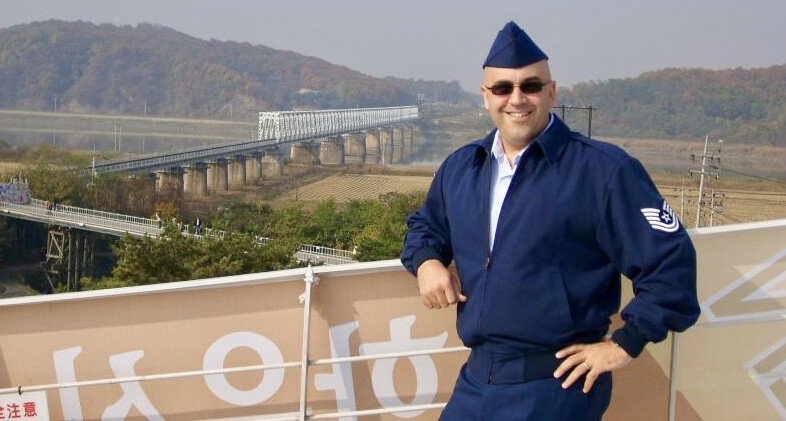
Air Force veteran and Florida post adjutant urges fellow veterans to learn how to recognize when they need support.
Everyday life can take its toll on a person’s mental wellness. But for some veterans, it’s a harder struggle.
Transitioning from military to civilian life can wear on a veteran’s mental health. So, too, can their experiences in the military, whether through the long-term effects of serving in a combat zone, being a victim of military sexual trauma or dealing with some other difficult situation while in service.
But for every veteran facing mental health challenges, there’s a success story of one overcoming those challenges and returning that veteran’s mental wellness to a safe and secure place. Their stories can serve as an inspiration to others, which is why we want to share those stories.
The newest in the series is from U.S. Air Force veteran Jeff Rogers, the adjutant at Charles E. Murray Post 186 in Spring Hill, Fla. He talks about the importance of knowing when you need support.
I retired from the Air Force in 2007 after 20 years of service. What I didn’t understand then was how much of my identity was tied to the uniform, the responsibilities, and having a clear mission. I knew how to work hard and keep moving. Figuring out who I was without those things was harder.
Looking back, I realize I was always in “chase” mode. I was chasing the next job. I was chasing the next project. I was chasing the next (fill in the blank). I hadn’t recognized that pattern while I was living it. Then my mother passed away in 2020, and it all came crashing down.
I tried to handle it myself. Keep it in. Stay strong. Push through. Those habits were familiar, but they weren’t helping me deal with what I was feeling. I struggled with depression and anxiety, and I stayed quiet. I kept telling myself, "You're fine." I wasn't.
Eventually, I reached for help. Counseling, medication and support became part of finding my footing again. Getting help meant admitting that what I had been doing wasn’t enough, even though I wanted to believe I could manage it alone.
Progress wasn’t a straight line. There were setbacks and days when I questioned everything. I kept showing up and asked for help when I needed it. Over time, I began to understand that resilience includes knowing when you need support.
That experience became part of my book, “After the Uniform: Navigating Life, Love, and Purpose,” and informs my work through Strengthen the Positive. I write and speak about identity, purpose and life after service, because those questions have been part of my own life. I also serve with American Legion Post 186 in Florida.
What I want another veteran to hear is simple: pay attention to how you’re doing, even when you’re still getting things done. I didn’t recognize how much I was struggling until grief brought it to the surface. You don’t have to wait for everything to come crashing down before you ask for help.
I’m still learning and growing. Getting help gave me a way forward, and sharing that experience is one way I hope to help someone else find theirs.
- Veterans Healthcare