


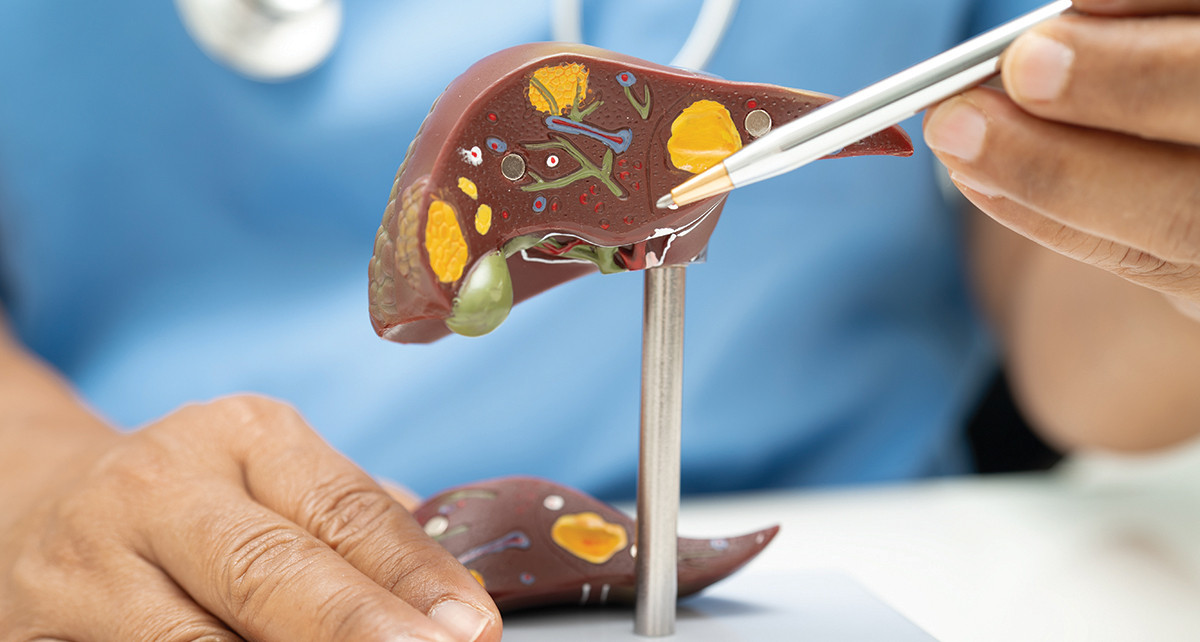
Fatty liver disease, especially NAFLD, is largely preventable and reversible in early stages. Here’s what you can do.
Fatty liver disease is the abnormal accumulation of fat in liver cells, which can impair function, trigger inflammation and lead to serious health complications. While the liver naturally contains small amounts of fat, risk increases when it is more than 5% to 10% of the organ’s weight. There are two main categories:
Alcoholic fatty liver disease (AFLD) This develops in people who consume alcohol in excess, which disrupts fat metabolism and damages liver tissue. Early stages of AFLD can be improved by reducing or eliminating alcohol intake.
Non-alcoholic fatty liver disease (NAFLD) Also known as metabolic dysfunction-associated steatotic liver disease, this is driven by obesity, insulin resistance, diabetes and metabolic syndrome. NAFLD can progress to non-alcoholic steatohepatitis, which involves inflammation and liver cell injury, and eventually fibrosis, cirrhosis or liver cancer if untreated.
About one-third of adults are now estimated to have NAFLD. Meta-analyses suggest a rise from 26% in earlier decades to 38% since 2016, with projections indicating more than half of the world’s population could be affected by 2040. AFLD remains common in heavy drinkers. But NAFLD, linked to the increase in obesity and type 2 diabetes, is surging.
Risk factors
Fatty liver disease is often called a “silent disease” because most people do not experience early symptoms. Yet damage can mount. NAFLD and AFLD can lead to cirrhosis and liver cancer, but NAFLD carries broader metabolic consequences. Research has linked it with a 24% higher risk of early-onset colorectal cancer, particularly in adults younger than 50. It also raises the risk of cardiovascular disease, the leading cause of death in NAFLD patients.
Key risk factors include excessive body weight, (particularly abdominal obesity), insulin resistance and type 2 diabetes, high blood pressure; cholesterol, and triglycerides (metabolic syndrome). A sedentary lifestyle and poor diet, especially consumption of sugar and saturated fats, can accelerate the disease. But even people who do not drink alcohol and maintain a normal weight may develop NAFLD due to metabolic dysfunction, environmental toxins or disrupted sleep patterns.
Prevention
The good news is that fatty liver disease, especially NAFLD, is largely preventable and reversible in early stages. Here’s what you can do:
• Slim down. Weight loss of 5% to 10% can reduce fat buildup in the liver; losing more than 10% may reverse inflammation and scarring.
• Eat healthy. A Mediterranean-style diet rich in vegetables, whole grains, lean protein and healthy fats can lower your risk.
• Get fit. Regular exercise improves insulin sensitivity and liver function.
• Limit alcohol. Drinking adds liver stress.
Some supplements may boost liver health in people with NAFLD, though they work best alongside diet and lifestyle changes. Vitamin E has been shown to improve liver inflammation in some patients, while omega-3 fatty acids can reduce liver fat and lower triglycerides.
Regular coffee consumption appears protective. Plant compounds such as milk thistle, curcumin and green tea extract may improve liver enzymes and reduce inflammation. Other promising options include berberine, probiotics and vitamin D, though results vary.
Army veteran Jennifer Campbell is a certified personal trainer with a master’s degree in nutrition education. She is past commander of the California Legion’s 24th District and Hollywood Post 43.
- News