

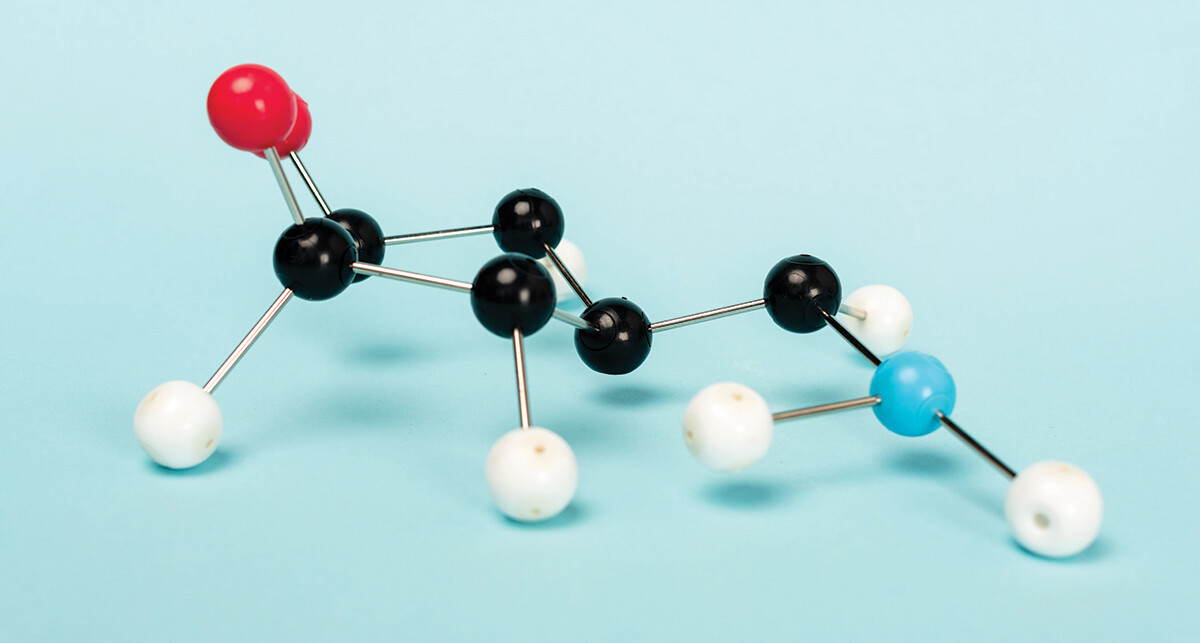
Understanding what these hormones do – and what your options are – will help you make informed decisions.
As we age, normal shifts in testosterone, estrogen and progesterone can influence our energy, mood, muscle mass, sleep, sexual health, bone strength and even cardiovascular risk. Understanding what these hormones do – and what your options are – will help you make informed decisions.
For men, testosterone is the anchor hormone. Produced primarily in the testes, it supports muscle mass, bone density, red blood cell production, libido, motivation and overall vitality. Levels begin declining gradually from 30 to 40. Some men notice little change; others experience fatigue, increased abdominal fat, decreased strength, lower libido, irritability or brain fog.
Foundational strategies often provide meaningful improvement. These include resistance training (especially heavy compound lifts), optimizing sleep, reducing visceral fat, managing stress, ensuring adequate vitamin D and zinc levels, and avoiding excessive alcohol intake.
When symptoms persist and blood testing confirms low levels, testosterone replacement therapy (TRT) may be considered through injections, gels, patches or pellets. Benefits include improved energy, libido, lean mass and bone density. However, TRT requires medical supervision because risks may include elevated red blood cell counts, worsening of sleep apnea, fertility suppression, and the need for ongoing monitoring of prostate-specific antigen (PSA) and hematocrit levels.
For women, hormonal change is often more abrupt. During perimenopause and menopause, estrogen and progesterone decline significantly, sometimes accompanied by shifts in testosterone as well. Estrogen supports bone density, brain function, cardiovascular health, vaginal tissue integrity and temperature regulation.
As levels fall, women may experience hot flashes, night sweats, sleep disruption, mood changes, vaginal dryness and accelerated bone loss. Progesterone, which balances estrogen and promotes calming sleep, often declines even earlier in perimenopause, which may contribute to insomnia, anxiety and irregular cycles.
Though present in smaller amounts than in men, testosterone plays a meaningful role in women’s libido, muscle tone and motivation. In some cases, low-dose testosterone is prescribed off-label for women with hypoactive sexual desire disorder. When dosed carefully, potential benefits may include improved libido, energy and motivation, mood, cognition and body composition. As with men, it’s a controlled substance that requires a prescription and doctor supervision.
Strength training becomes especially important for preserving bone density and metabolic health in women. Adequate protein intake, omega-3 fatty acids, stress management, sleep optimization, and sufficient vitamin D and magnesium support hormonal resilience. For some, these interventions provide enough relief; for others, hormone replacement therapy (HRT) can be appropriate.
You may also hear of bioidentical hormone replacement therapy. Simply put, this means the hormone molecule is structurally identical to what the human body produces; it is preferred by hormone experts over conventional HRT. Some FDA-approved products are bioidentical, while others are compounded by specialty pharmacies.
If you’re considering hormone therapy, think additionally about:
• Potential benefits: improved quality of life,
better sleep
• Potential risks: blood clots (particularly with oral estrogen), breast cancer risk that varies by formulation and duration, and cardiovascular considerations depending on personal history
Army veteran Jennifer Campbell is a certified personal trainer with a master’s degree in nutrition education. She is past commander of the California American Legion’s 24th District and Hollywood Post 43.
- News